
- News
- lifestyle
- health-fitness
- home-remedies
- Joint inflammation and arthritis: 5 herbs to combine with giloy for pain relief
Joint inflammation and arthritis: 5 herbs to combine with giloy for pain relief

When swelling makes movement uneasy, these home remedies might help
Joint inflammation and arthritis often show up as stiff mornings, swollen knees, or aching fingers. Giloy, also called Guduchi, is widely used in Indian homes for its calming effect on inflammation and immunity. But less people know that giloy doesn't have to work alone. It can be paired with specific herbs that guide its action toward joints, swelling, and long-term comfort. The combinations below are not trendy mixes. Here are some pairings that focus on how the body actually responds to pain and inflammation over time.

Giloy and turmeric
Turmeric does more than reduce pain. It works on the “heat” that builds up in inflamed joints. When joints feel warm, red, or swollen, this usually signals active inflammation. Giloy helps cool the system, while turmeric gently blocks inflammatory pathways linked to arthritis.
This pairing suits people who notice flare-ups after long walks, climbing stairs, or weather changes. Taking them together may support daily movement without making the body feel heavy or dull.
Why it works well: giloy supports immunity, while turmeric supports joint tissue response.

Giloy and ginger
Some joints hurt more because they feel tight and stuck, not just swollen. Ginger helps improve circulation around the joints, which allows nutrients to reach stressed tissues. Giloy adds its anti-inflammatory strength without irritating the stomach.
This combination is often helpful for morning stiffness or pain that eases after gentle movement. It also suits people who feel better with warmth applied to painful joints.
Why it works well: ginger improves flow, giloy controls inflammation.
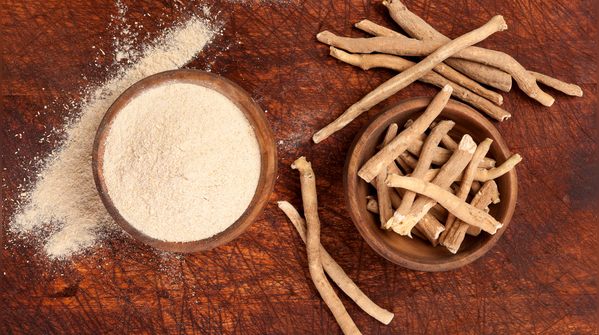
Giloy and ashwagandha
Chronic arthritis pain mostly comes with weakness, poor sleep, and low energy. Ashwagandha supports muscle strength and stress balance, which indirectly reduces pressure on joints. Giloy adds immune balance and helps manage low-grade inflammation that builds quietly over time.
This pairing is useful when joint pain feels exhausting rather than sharp. It supports people who feel worn down by long-term discomfort.
Why it works well: ashwagandha strengthens, giloy stabilises.
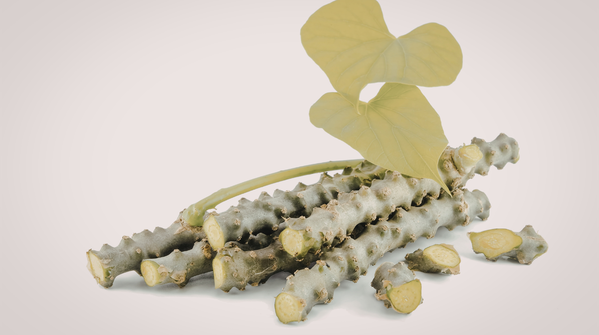
Giloy and nirgundi
Nirgundi is traditionally used for joint swelling and tenderness, especially when pain increases on touch or movement. It works locally on inflamed areas, while giloy works systemically inside the body.
This combination is often used when joints feel puffy or sensitive, such as knees and ankles. It may support easier bending and reduced soreness over time.
Why it works well: nirgundi targets swelling, giloy supports internal balance.

Giloy and guggul
Guggul is known for working on stubborn inflammation that settles deep inside the joints. It supports better metabolism of inflammatory waste products that can worsen arthritis over time. Giloy complements this action by calming the immune response that often triggers repeated joint flare-ups.
This combination is often considered when joint pain feels persistent and heavy, especially in the lower back, knees, or hips. It may also suit people who notice joint discomfort along with stiffness after long periods of sitting.
Why it works well: guggul helps clear inflammatory buildup, while giloy restores balance from within.
Disclaimer
This article is for general information only. Herbs can interact with medicines and may not suit everyone. People with chronic illness, pregnancy, or those taking regular medication should consult a qualified healthcare professional before using herbal combinations.
Featured In lifestyle

