
- News
- lifestyle
- home-garden
- 7 bedroom plants for better sleep and cleaner indoor air
7 bedroom plants for better sleep and cleaner indoor air

7 bedroom plants for better sleep and cleaner indoor air
A peaceful bedroom environment plays an important role in improving sleep quality. In addition to proper lighting and ventilation, incorporate some indoor plants to improve the freshness of the bedroom environment. Some plants are known to release oxygen or have a calming effect due to their fragrance. The following are seven bedroom-friendly plants that may improve sleep and indoor air quality.
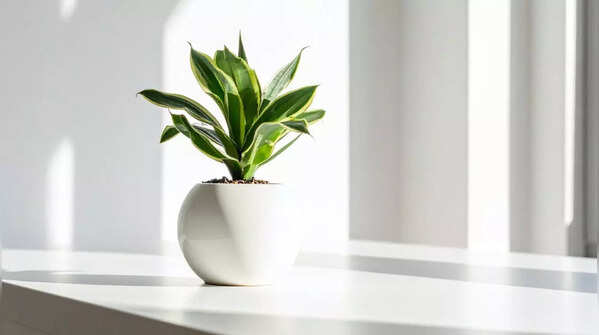
Snake Plant
Snake plant is one of the most recommended bedroom plants because it releases oxygen at night, unlike most plants that do so during the day. It is also known for helping remove common indoor toxins such as formaldehyde and benzene. Extremely hardy and tolerant of low light, it requires minimal watering, making it ideal for bedrooms.

Peace Lily
Peace lilies are admired for their elegant white blooms and air-purifying qualities. They can help reduce indoor pollutants and increase humidity slightly, which may ease dry air discomfort. They prefer indirect light and moderate watering. Their soft appearance and low maintenance needs make them suitable for calm bedroom settings.

Lavender
Lavender is widely known for its soothing fragrance. Its scent may promote relaxation and improve sleep quality. While it prefers bright light, placing it near a sunny bedroom window can work well. Proper drainage and moderate watering are essential to keep this aromatic plant healthy indoors.

Aloe Vera
Aloe vera is another plant known for releasing oxygen at night. It is easy to grow, requires little watering, and thrives in indirect sunlight. Apart from its potential air-cleansing properties, aloe is also valued for its medicinal gel. Its compact size makes it perfect for bedside tables or small bedroom corners.

Areca Palm
Areca palm acts as a natural humidifier by releasing moisture into the air. This can help improve indoor air comfort, especially in air-conditioned rooms. It prefers bright, indirect light and regular watering. Its feathery green fronds add a soft, tropical feel while contributing to a fresher indoor atmosphere.
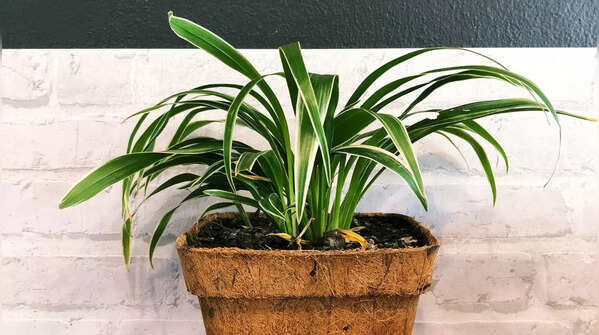
Spider Plant
Spider plants are hardy and easy to maintain. They are often cited for their ability to reduce indoor pollutants and improve air quality. Thriving in indirect light and requiring occasional watering, they produce arching leaves that brighten bedroom décor while being safe and non-toxic for most households.

Jasmine
Jasmine is well known for its delicate, sweet fragrance that may help promote relaxation and restful sleep. Its scent is often associated with calming effects that can ease stress and create a peaceful bedtime atmosphere. Jasmine prefers bright, indirect light and moderate watering to thrive indoors. When placed near a sunny window, it can grow well and occasionally produce small, fragrant white flowers. Its pleasant aroma and elegant appearance make it a charming and sleep-friendly addition to bedrooms.
Bedrooms with indoor plants do more than improve interior design; they can also help improve the bedroom environment in terms of calmness and refreshment. Indoor plants like snake plants, which release oxygen, or calming plants such as lavender or palms, which increase humidity, can improve sleep quality in the bedroom.
All Image Credits: Canva
Featured In lifestyle

MORE FROM ETIMES
life & style