
- News
- lifestyle
- home-garden
- 7 sacred plants and flowers perfect for indoor spaces
7 sacred plants and flowers perfect for indoor spaces
7 sacred plants and flowers perfect for indoor spaces
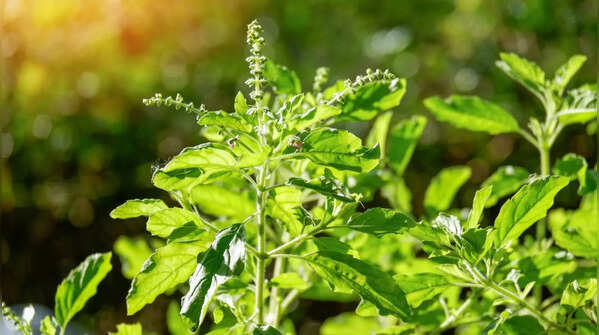
Through the ages and across cultures, certain plants and flowers have been considered sacred due to their spiritual significance, healing powers, and calming effects. The idea of bringing these plants indoors is said to improve the positive energy and create a calming ambiance around us. Whether it is based on ancient customs or spiritual ideologies, these sacred plants have the power to turn our indoor spaces into havens of peace.
Image Credit: Canva
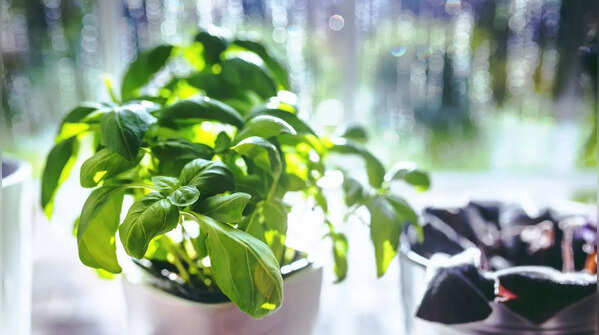
Holy Basil (Tulsi)
Tulsi is considered a symbol of purity and devotion. It is commonly grown in Indian households and temple courtyards. Indoors, it thrives in bright sunlight and well-drained soil. Beyond spiritual value, Tulsi is known for its medicinal qualities and aromatic leaves, which are often used in herbal teas and traditional remedies.
Image Credit: Canva
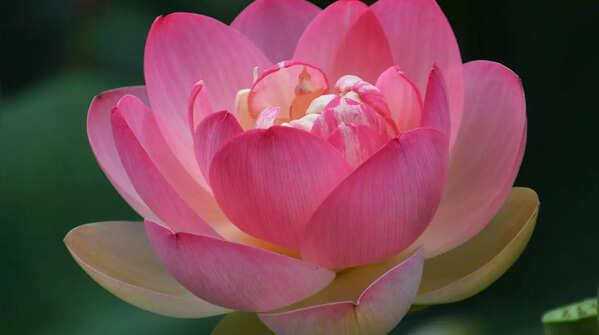
Lotus
The lotus flower has great religious significance across cultures. It represents cleanliness, enlightenment, and renewal. Although it is commonly found in water gardens, there are dwarf species that can be grown indoors. Its beautiful flowers and full leaves bring a sense of calmness to a room, making it perfect for meditation rooms or spiritual interior design.
Image Credit: Canva
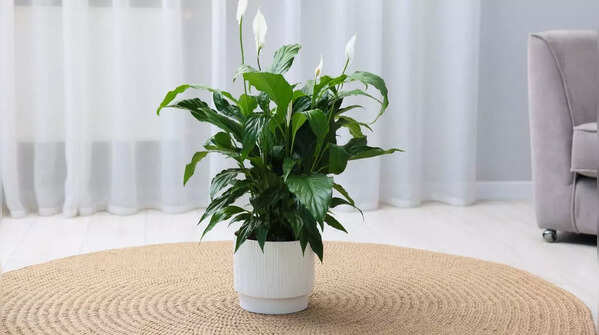
Peace Lily
The peace lily is loved for its beautiful white blooms and ability to purify the air. In most societies, the colour white is associated with peace and spirituality. This plant is also well-suited for indoor growth and can thrive in low-light conditions, making it the perfect choice for homes and offices.
Image Credit: Canva
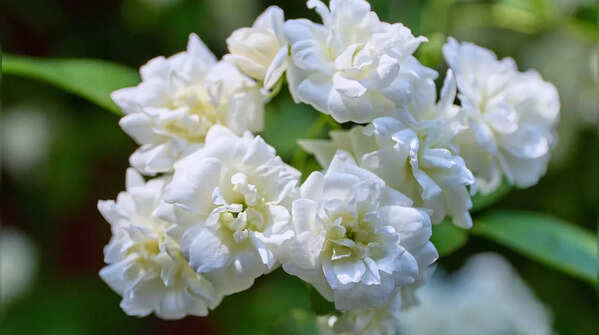
Jasmine
In various traditions, jasmine is connected with love, innocence and heavenly expectation. Its fragrant white flowers are often used in religious ceremonies and offerings. Jasmine thrives in the indoors environment close to the sunny windows and releases a relaxing fragrance. The soft fragrance is also known to shed off stress and emotional tranquility.
Image Credit: Canva
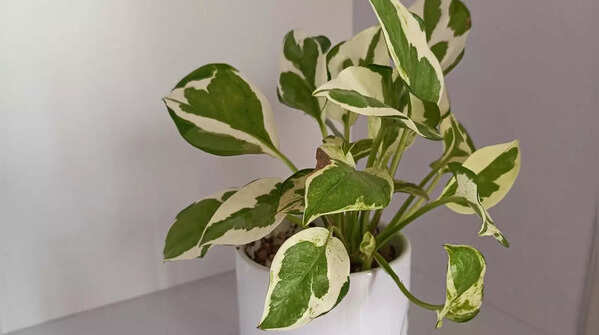
Money Plant (Golden Pothos)
Popular in Feng Shui practices, the money plant is believed to attract prosperity and good fortune. Its trailing green leaves symbolise growth and renewal. It is easy to maintain and thrives in indirect light, making it suitable for indoor corners and shelves. Many households place it near entrances to invite positive energy.
Image Credit: Canva
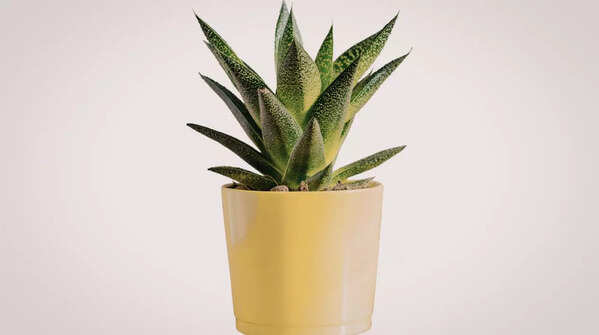
Aloe Vera
Aloe vera has always been appreciated for its healing and protective meaning. Historically, it was known as a plant of immortality and protection. In terms of indoor care, it needs less watering and plenty of sunlight. Aside from its meaningful use, its gel is also used for skin care and minor burns.
Image Credit: Canva
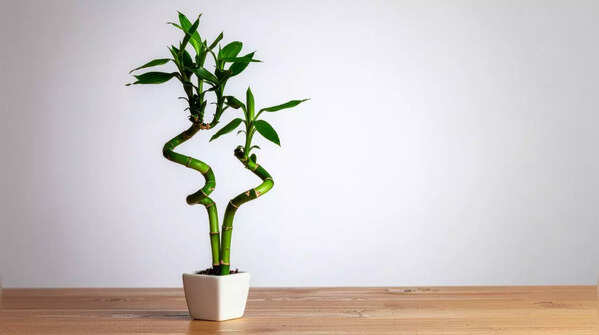
Sacred Bamboo (Lucky Bamboo)
Though not a true bamboo, lucky bamboo is very popular in Feng Shui for its ability to attract harmony and prosperity. Its green and upright growth represents strength and positive development. It can thrive in water or soil and needs less maintenance. Usually found in living rooms and offices, it is said to direct the balance of energy indoors.
Sacred plants and flowers not only add aesthetic value to our indoor spaces, but they also have centuries of spiritual significance and meaning attached to them. Whether it is the spiritual purity of Tulsi, the enlightenment of the Lotus, or the calming effect of the Peace Lily, each plant has its own significance to offer to our homes. By growing these sacred greens indoors, we can easily create an environment of serenity and positivity.
Image Credit: Canva
Featured In lifestyle

MORE FROM ETIMES
life & style