- News
- lifestyle
- home-garden
- Mango leaves aren’t just waste: 6 smart, sustainable and surprisingly useful ways to reuse them around the house instead of throwing them away
Mango leaves aren’t just waste: 6 smart, sustainable and surprisingly useful ways to reuse them around the house instead of throwing them away
Mango leaves aren’t just waste: 6 smart, sustainable and surprisingly useful ways to reuse them around the house instead of throwing them away
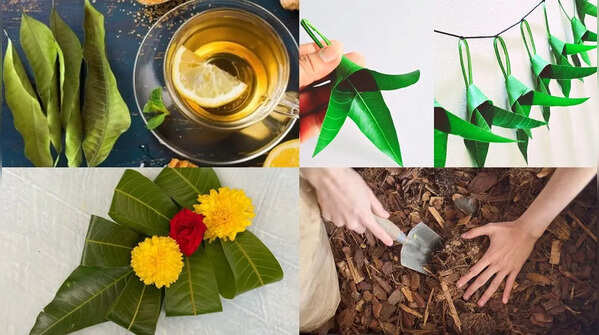
The mention of a mango tree generally triggers thoughts about its delicious fruit. Nevertheless, there is another part of the tree—the leaves, which have been cherished by people for ages. In Indian and other Asian households, the leaves of the mango tree have been widely used throughout history. From decorations to gardening and general house purposes, the leaves are quite flexible. Instead of throwing the leaves out, homeowners might explore a few ways in which they can benefit from using the natural leaves again.
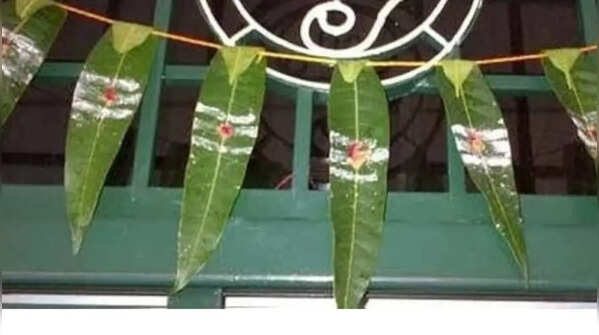
Traditional garlands for door decor
Most commonly, mango leaves are used for making traditional door decorations that homeowners hang during festivities, wedding ceremonies, and other significant celebrations. These garlands made from fresh and vibrant green mango leaves are meant to symbolize wealth, positivity, and prosperity in the homes. Not only do mango leaves carry cultural importance, but they also decorate home entrances nicely due to their green color.
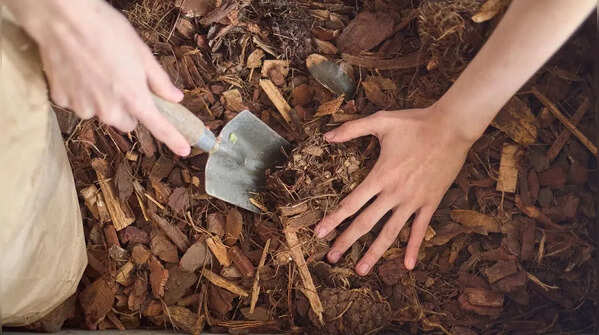
Compost leaves for better soil
Instead of getting rid of mango leaves that fell off the tree and went dry, gardeners can incorporate them into their compost. As the leaves decompose, they enrich the soil and make it more fertile. According to experts, it is best to cut the leaves in small pieces before placing them into compost. The resulting rich in organic material compost will improve the quality of vegetables, herbs, and flowering plants' soil.
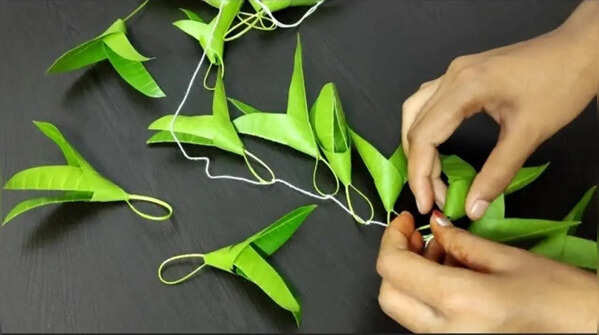
Natural mulch around your plants
Dry mango leaves can also work well as a natural mulch for plants. They can be spread around shrubs and trees and protect the soil from water evaporation. Also, dry leaves help reduce weed growth and even protect roots from too extreme temperatures by providing additional insulation. As a result, plants get additional organic matter, which makes the whole experience beneficial both for gardeners and for their beloved plants.
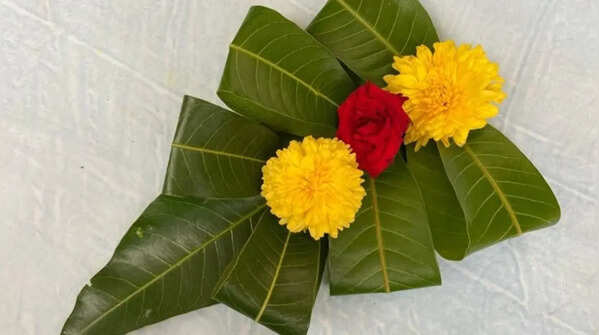
Arrange the table and home decor with them
Mango leaves can also be useful when decorating tables in homes. Because of their beautiful green color, they can be used in floral decorations for special occasions. Moreover, because mango leaves stay fresh for several days even after cutting, they can provide a nice touch for festive tables in Indian homes. Some people also put mango leaves in decorated bowls to add greenness and elegance.
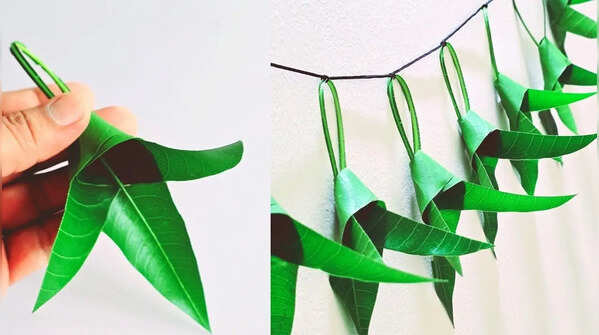
Craft with leaves in traditional way
In addition to the previously discussed possibilities, mango leaves are a popular item for DIY projects. In particular, dried mango leaves can be used in various crafting activities to create natural eco-decorations or art pieces for children's crafts. The unique look of mango leaves makes them perfect for making eco-friendly decorations, which can be presented in school projects and during different festivities.
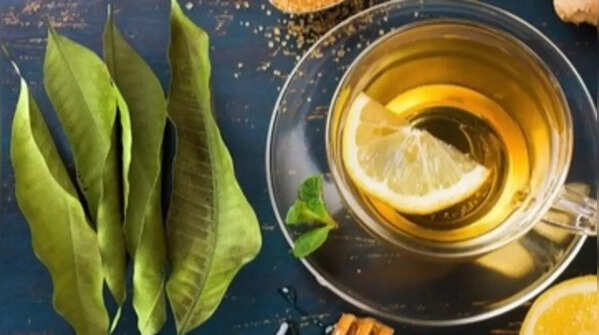
Drink tea with mango leaves in traditional medicine
Finally, some people use mango leaves to prepare tea, based on traditional practices that have been around for centuries. It is said that the young, fresh leaves can be picked, dried, and then put in boiling water to make a tasty beverage. Though traditionally, the mango leaves are used in making tea and have properties that are good for you, experts warn that everyone should use them properly and in the right way.
Featured In lifestyle

MORE FROM ETIMES
life & style