
- News
- lifestyle
- home-garden
- Terrifying facts about green anacondas that makes them one of the most feared snakes
Terrifying facts about green anacondas that makes them one of the most feared snakes
Terrifying facts about green anacondas that makes them one of the most feared snakes
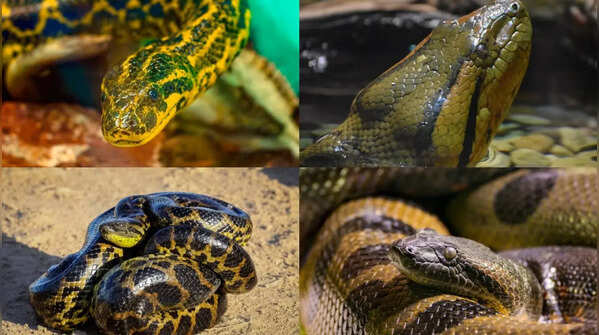
It would be no exaggeration to assume that green anaconda is known worldwide as one of the scariest snakes ever because of its gigantic body mass, exceptional strength, and weird habits. Being native to swamps, rivers, and rainforests of South America, the gigantic reptile is the subject of interest for many wildlife professionals and filmmakers. Not being venomous animals, the anacondas catch their victims by overpowering them with huge muscles. The snake can live in hard-to-reach places, hide under water, surprise large prey. Even though some films are guilty of presenting them in a wrong light, there are several amazing facts about the anacondas which are indeed scary. This is the list of ten reasons why this impressive reptile remains to be one of the scariest snakes in the world.

Anacondas are among the heaviest snakes on Earth
The largest green anacondas have enormous mass, reaching up to 200 kilograms, while females tend to become much thicker than their male counterparts. It is true that reticulated pythons may grow even longer, but green anacondas win in weight and bulk. The gigantic body mass allows the snake to overcome and kill large animals easily. Witnessing an anaconda in the jungle can be surprising since photos cannot show their true body mass.
They live mostly underwater silently
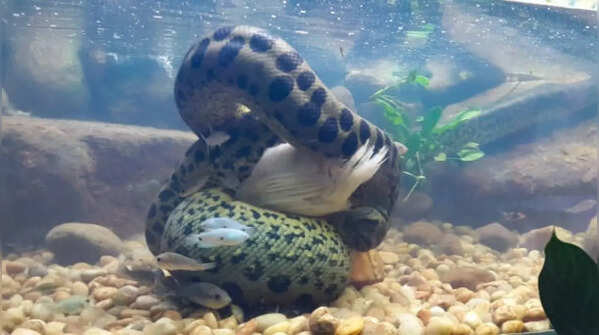
One more thing making this predator seem frightening is its special ability to move and hunt underwater. The anaconda spends lots of time submerged and hiding in swamps, rivers, and mud, showing nothing more but their eyes and nostrils above water. As wildlife professionals claim, animals do not notice anacondas at all until they suddenly jump out of the water for the purpose of attack.
They can kill victims by stopping the blood circulation
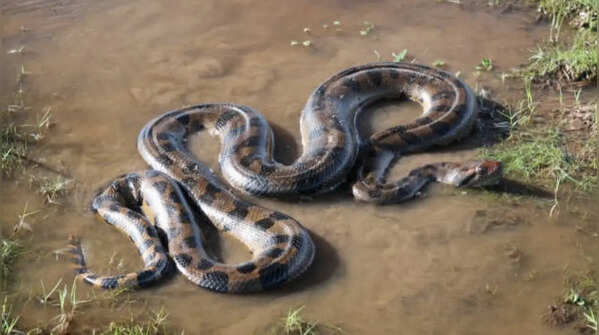
As opposed to venomous snakes, anacondas kill their victim by means of constriction. When capturing the prey, anacondas wrap their body around it and gradually squeeze it. According to experts, this process leads to the blocking of blood circulation and breathing. Larger victims tend to fall unconscious quite fast due to blood circulation restriction. Exceptional strength is one of the major factors accounting for anacondas' danger in the wild.
Anacondas are able to swallow relatively big prey animals
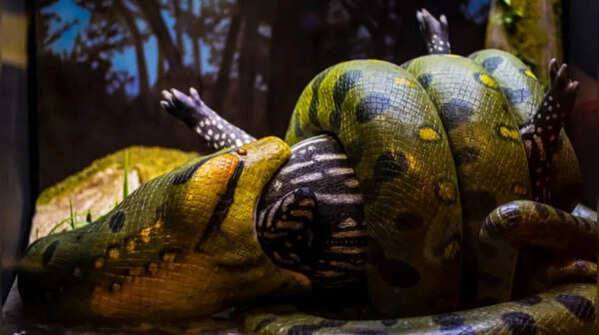
Another interesting feature of anacondas is their ability to eat large animals thanks to flexible jaws and loose ligaments. These features allow the snake to swallow the meal much bigger than their head size. As a rule, anacondas are known to swallow capybaras, caimans, deer, wild boar, and large birds. After eating, they stay quiet and inactive, spending several days or even weeks digesting the meal.
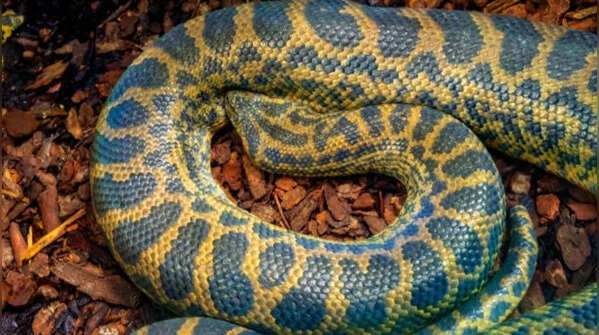
They can remain motionless for a long time
Being extremely patient reptiles, anacondas prefer waiting quietly for the moment when the prey comes to drink rather than looking for victims all the time. With the help of their special camouflage skills, they hide perfectly in swamps and thick bushes. Experts point out that the anacondas' stillness is a great advantage as the prey animals do not realize their presence beforehand.
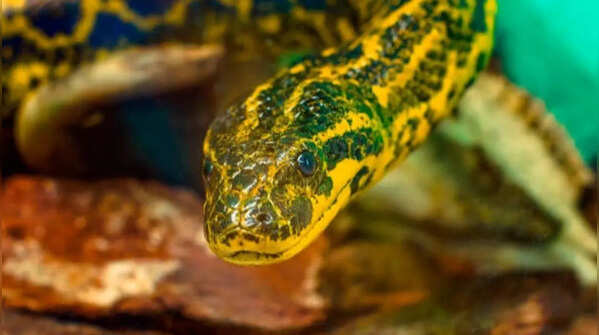
Eyes and nostrils of anacondas are located on top of their heads
A remarkable peculiarity of anacondas is the place their eyes and nostrils occupy on the head. This feature makes the snake able to remain in water almost fully and observe surrounding area without the risk of suffocation. It serves as a great advantage while hunting for aquatic or semi-aquatic prey. In addition, experts draw a parallel between the anacondas and crocodiles as both of them rely on ambushing.
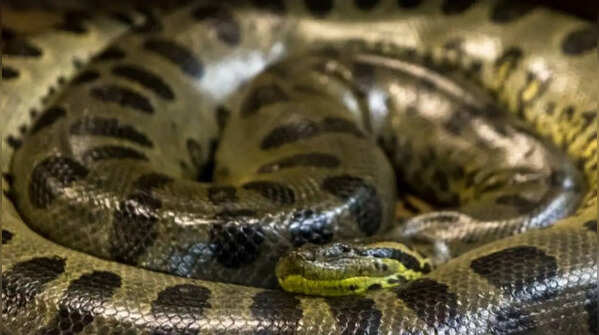
Anacondas live successfully in swamp conditions
As a rule, anacondas prefer swampy areas with humid, muddy, and oxygen poor atmospheres. Thanks to special physical properties, they feel comfortable moving through thick swamp waters and vegetative cover. Experts point out that such adaptations contribute largely to the anacondas' success as apex predators living in certain habitats. Living in the hard-to-reach places, many facts concerning their natural behavior remain unknown even today.
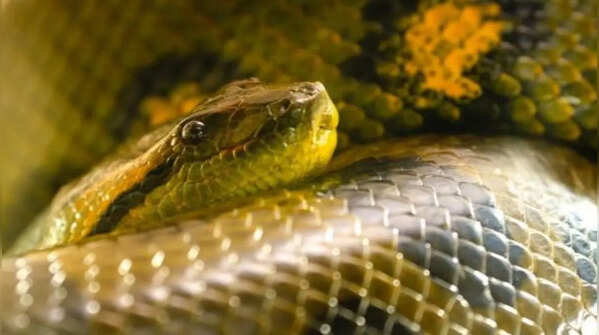
Exaggerated descriptions contributed to their frightening image
Even though there are lots of scary movies and myths telling about aggressive anacondas that eat people, this is far from being true. In reality, the snakes tend to avoid any contacts with the representatives of the human kind. Of course, being giant predators, they are potential threats and should be kept away. Still, there is almost no information about deadly attacks committed by the snakes in the wild.

They attract scientists and wildlife lovers
Despite their terrible reputation, green anacondas are very important for keeping balance in the rainforest ecosystem. Besides, being very unusual creatures, these snakes fascinate many wildlife enthusiasts who want to learn about them more. As a rule, scientists study green anacondas to investigate the issues connected with evolution, aquatic hunting abilities, tropical ecosystem, etc. Thus, fear and admiration are the feelings experienced by many.

Disclaimer:
This article is for general informational and wildlife awareness purposes only. The behavior, size, and hunting habits of wild snakes may vary depending on species, habitat, and environment. Readers never approach, provoke, or handle wild snakes in your area. If you encounter a snake, contact qualified wildlife rescuers and forest services immediately for assistance.
Featured In lifestyle

MORE FROM ETIMES
life & style