
- News
- lifestyle
- home-garden
- Why your compost bin smells bad: 7 Simple ways to compost kitchen waste without the odor
Why your compost bin smells bad: 7 Simple ways to compost kitchen waste without the odor

Why your compost bin smells bad: 7 Simple ways to compost kitchen waste without the odor
Composting is one of the most effective methods of recycling food waste to create nutritious soil for garden beds. Nevertheless, a lot of beginners give up trying because of one common trouble: unpleasant odors. Usually, compost should have a characteristic earthy smell typical of freshly dug soil. If it develops a strong or foul smell, it is likely that there is something wrong with the composting process. Luckily, most odors can be fixed rather easily. Gardening experts state that learning about the causes of bad smells will help homeowners compost food waste without creating an offensive atmosphere. Here are the seven tips on how to keep your compost from becoming smelly.
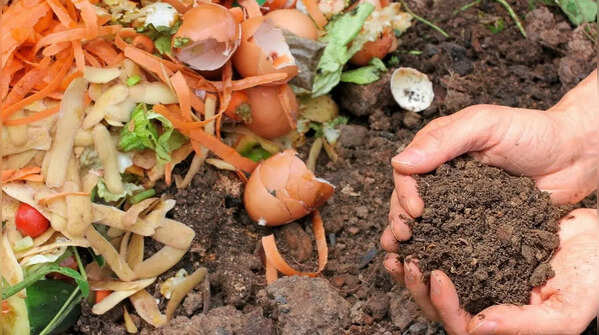
Add dry "brown" materials
Perhaps one of the main causes of bad odor in composts is an abundance of moist scraps. Vegetable and fruit peels, leftover food, and any other wet garbage may cause unpleasant smells if not combined properly with other materials. In order to avoid odor development, gardening experts advise mixing compost with dried leaves, shredded newspapers, cardboard, or even coconut shells. Such materials, called "brown" absorb excess moisture and provide sufficient aeration.
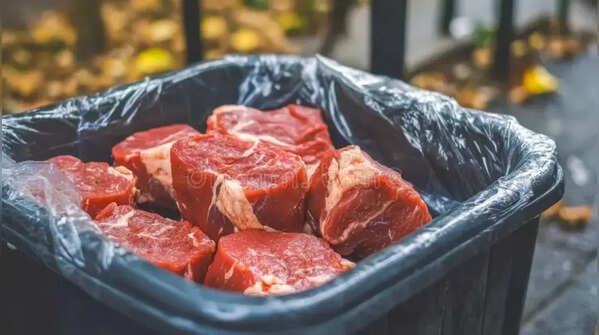
Do not put meat and dairy products
Often, people who are composting food waste for the first time choose the wrong types of scraps to use. In particular, experts do not advise to use meat or fish bones, any kind of dairy products, greasy or spicy foods, and cooked leftovers. Such materials usually attract flies and rodents, and their decomposition leads to rapid creation of bad odors. Instead of these foods, you may use vegetable peels, tea and coffee leaves, and garden waste.
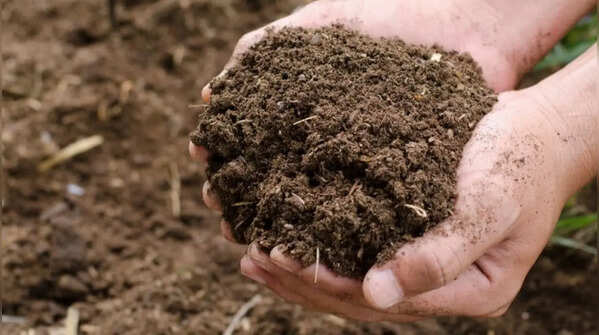
Turn the compost regularly
Compost should contain adequate amounts of oxygen necessary for healthy decomposition. When organic materials become compacted due to improper maintenance, anaerobic bacteria may start creating unpleasant odors. In order to avoid this situation, experts suggest turning the compost once a week with the help of a garden fork or special compost aerator. With proper maintenance, your compost will produce pleasant smells instead of offensive odors.
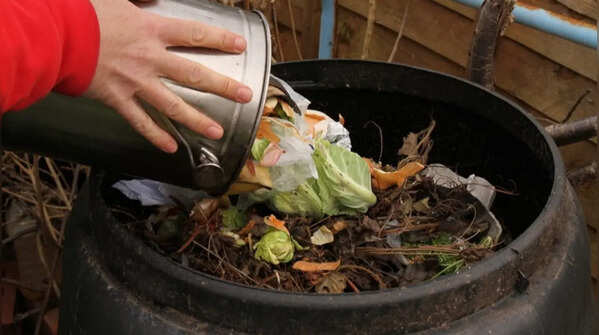
Maintain the correct moisture level
A good compost should have a slightly moist texture resembling a squeezed sponge. High moisture content causes the growth of bacteria, which produce bad smells very quickly. In order to avoid this problem, experts advise adding some dry materials in case if the compost becomes too humid. Outdoor composters should be closed during the periods of heavy rain as well.
Chop up kitchen scraps
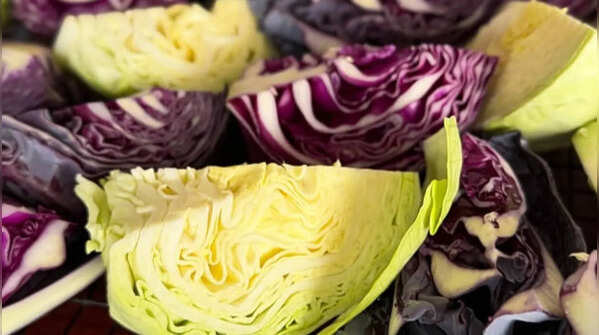
If fruits and vegetables are put into compost as whole pieces, they can stay there for weeks without being completely decomposed. Such large materials create odors and interfere with other processes happening in the compost. As experts recommend, you should chop up kitchen scraps before putting them into the composting box. Smaller size increases the surface area and thus accelerates the process of decomposition.
Cover fresh materials with other substances
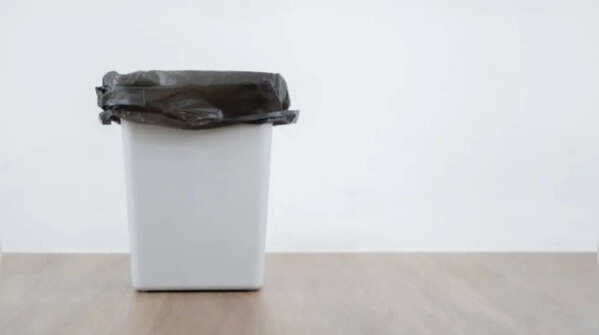
It is essential to cover fresh garbage right after its addition to the bin in order to prevent odors. According to the experts, it makes the materials less attractive for flies and prevents rapid production of unpleasant smells. You can use any type of dry materials to cover kitchen scraps, such as shredded paper, dried leaves, sawdust, or already decomposed compost.
Put the bin in the right place
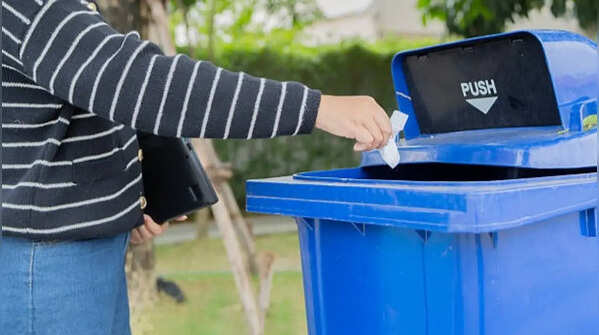
Experts suggest finding a well-ventilated and partially sunny place for keeping your compost. The lack of ventilation may lead to the development of bad odors, and low temperatures delay the process of decomposition. Moreover, the place should not be too moist. Therefore, you may avoid excess rainwater accumulation near the compost bin.
Featured In lifestyle

