
- News
- lifestyle
- parenting
- parenting-stories
- Why kids refuse vegetables: 5 smart tips to make them love veggies
Why kids refuse vegetables: 5 smart tips to make them love veggies

Why kids refuse vegetables: 5 smart tips to make them love veggies
Getting kids to like veggies can be a challenge for many parents. From pursed lips at the mere mention of veggies to throwing tantrums at the dinner table, veggie resistance can be a frustrating and worrisome experience for parents about their kids’ diet. But according to experts, this veggie aversion is never simply a matter of kids being obstinate. The thing is, kids naturally prefer sweet and high-energy foods, while veggies are bitter to their supersensitive tongues. And moreover, the texture and colour can also make kids turn up their noses at veggies. However, by recognizing why kids don’t like veggies, parents can solve this issue in a smart and strategic way, instead of just being tough about it. And with time and creativity, veggies can become less of “enemy food” and more of an accepted or even preferred choice. Here are five smart and research-supported ways to help kids gradually accept veggies.

Taste sensitivity: why bitterness is stronger in kids
Kids are naturally more sensitive to bitter tastes than adults because of their higher number of taste buds. Many veggies, especially leafy ones like broccoli or spinach, contain compounds that make them bitter to kids’ supersensitive taste buds. Biologically, this distaste for veggies served kids well when they were young and helped them avoid poisonous plants. Today, this aversion to veggies can make kids shun healthy foods. The key is to introduce kids to veggies in a gentle and persistent manner. Research shows that kids may need 10 to 15 exposures to a new veggie before they accept it.
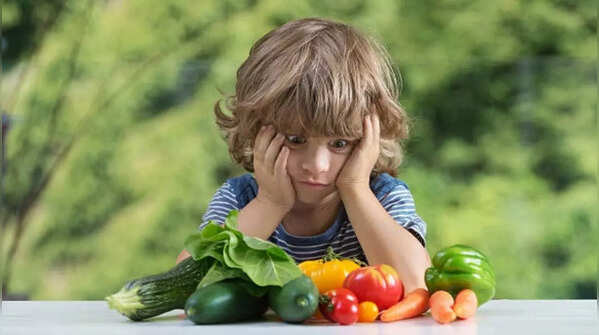
Texture troubles: where texture reigns supreme over taste
Texture can be a problem for many children, and it’s not always about the taste. Soft-cooked veggies, crunchy stems, and different textures can be unpleasant and unpredictable in the mouth. Children are very sensitive to different textures, which can cause gagging and refusal. Mixing up the look of veggies raw, roasted, grated, and pureed can help identify which textures are liked best. For example, some children will like crunchy carrots but not soft ones. By accommodating their wishes, trust is maintained rather than broken. Once a texture preference is identified, children will be more open to trying other veggies of a similar texture, which are readily accepted over time.
Food neophobia: fear of the unknown
Between the ages of two and six, many children experience food neophobia, or fear of trying new foods. Vegetables, being less known and less sweet, are the first to be rejected. This is a normal stage and will pass. However, encouraging the child to eat new foods or hiding vegetables without understanding can worsen the problem. Engaging children in activities like shopping, washing, or arranging vegetables can make them more comfortable and interested in them. Moreover, observing vegetables on the plate without emphasizing them can help alleviate fears. When children feel secure and in control, curiosity will overcome fear, and acceptance will follow.
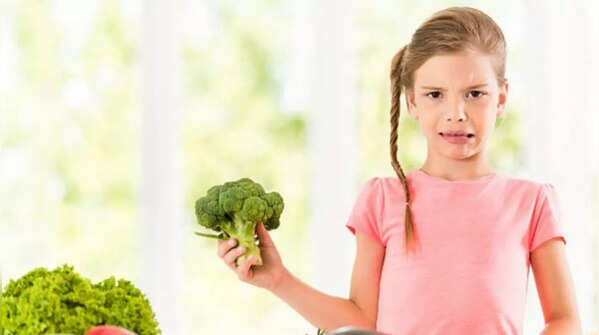
Smart tip: Enjoy and share meals together
Children learn eating behaviors by observing. When parents share meals and enjoy vegetables, children understand them to be common and acceptable food and on the other hand, when parents avoid vegetables, they inadvertently teach children to avoid them too.Eating meals family-style, where children serve themselves from communal dishes, also works. Research indicates that repeated exposure and parental influence are successful strategies for increasing vegetable intake. And the discussing vegetables enthusiastically but casually ("Carrots are sweet") can spark interest. When children witness parents enjoying vegetables, they become more at ease around them and associate them with pleasant experiences.

Serve large portions with low pressure
Large portions can be intimidating to children and lead to automatic dismissal. Small portions, even just a bite, decrease resistance. The mindset shifts from “finish the whole thing” to “try it.” Force, pressure, or reward can have the opposite effect, making children even less likely to eat vegetables. Casual introduction (“You don’t have to eat it”) actually increases the likelihood of trying it. Each non-stressful interaction helps children become more comfortable around vegetables. Over time, they begin to eat more willingly as they become more comfortable around the food. This helps children develop autonomy while still encouraging a variety of foods.

Clever tip: make vegetables fun and interactive
Vegetables need to be appealing to children. Adding colour, fun shapes, or designs can shift a negative attitude to a positive one. Vegetable sticks, smiling plates, or build-your-own wraps make vegetables more desirable. Interactive designs satisfy children's curiosity and need for control, which are huge motivators for toddlers and children. Home gardens or herb gardens also make children more open to trying vegetables from their own garden. When vegetables are part of exploration and play, not obligation, children are less resistant.
Featured In lifestyle

MORE FROM ETIMES
life & style