
- News
- lifestyle
- parenting
- parentology
- parenting-and-you
- 6 social etiquettes every child should be taught and 6 reasons they can benefit a child’s future
6 social etiquettes every child should be taught and 6 reasons they can benefit a child’s future
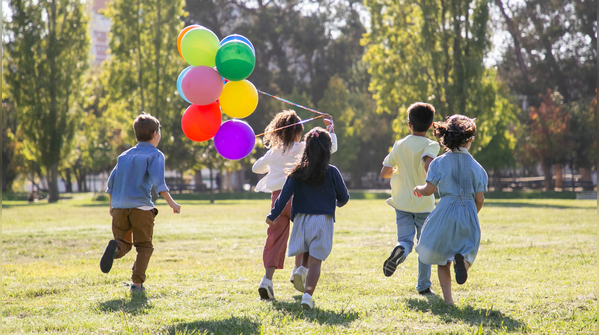
6 social etiquettes every child should be taught and 6 reasons they can benefit a child’s future
True social etiquettes are more than table manners or polite greetings. It’s about understanding that actions, words, and reactions can affect people. As children grow up, they step into different social spaces, and in each of these places, their ability to show kindness, respect and awareness shapes how others experience them. Here are six important social etiquette rules every child should be taught from a young age.
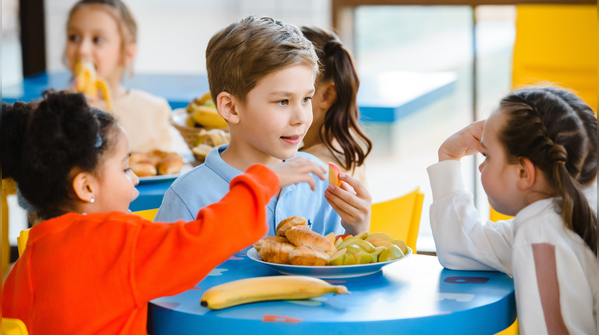
Never comment on what someone else is eating
When children notice someone else’s food as different or smelling unfamiliar, they may curiously say something like “why are you eating that?” However, asking such questions can make another child feel uncomfortable.
Teaching children to respect different food choices helps them understand that families, cultures, and preferences can be different and different does not mean wrong.
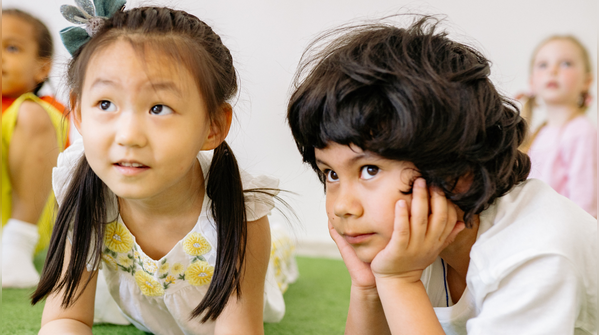
Don’t stare at someone who looks different
Children notice differences, and they point them out. Curiosity will make them notice someone’s appearance, physical ability, or clothing. While being curious is one thing, a natural one, staring at such individuals can make them uncomfortable and treat them as an outsider. Parents can teach children that noticing someone is different is okay, but instead of staring, children should be encouraged to smile and greet them like they greet everyone else. Children should be taught to focus on the heart instead of making fun of someone who’s different.
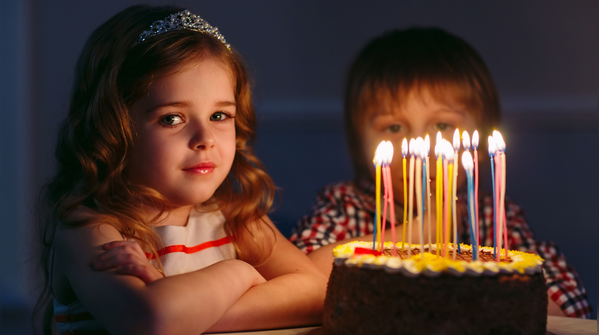
Someone else’s birthday is not about you, it’s about them
For children, birthdays can bring excitement. But learning to celebrate others is an important social value. Sometimes, children feel disappointed when they don’t receive attention, however, for parents, this is a chance to teach them empathy. A child who celebrates others understands that happiness is not always about being the centre of attention, instead it’s about celebrating others with generosity and emotional maturity.
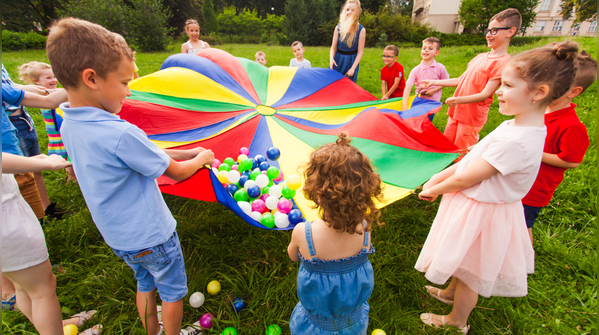
Make room for the ones who are left out
At some point, everyone has known the feeling of being left out; during a game, a classroom activity, or during a gathering. Parents should teach children that when they notice someone sitting alone or being ignored they must make them feel included. A simple “Do you want to play with us?” can turn an awkward moment into a meaningful one, because kindness often lies in small interactions.
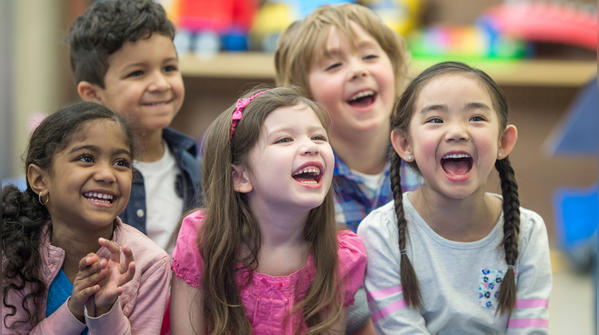
Know the difference between laughing with and laughing at
Humour is a wonderful part of childhood, but children need to understand that not every joke is harmless. Laughing with someone means everyone feels happy and included, on the other hand, laughing at someone means another person becomes the target of embarrassment. The good question to ask is, “If we laugh, would the other person laugh too?”
Winning and losing are part of learning, both should be handled equally
Games, competitions, and challenges teach children important life lessons. But how they handle results matters just as much as the result itself. A child who only knows how to celebrate winning may struggle with disappointment later. Parents can teach children to stay respectful when they win and congratulate others when they lose.

7 reasons these social etiquettes can benefit a child’s future
- Builds emotional intelligence
- Creates genuine friendships
- Develop leadership qualities
- Sharpen social awareness
- Protects others from being hurt
- Shapes reputation among peers
- Prepared growing kids for the real world
Featured In lifestyle

MORE FROM ETIMES
life & style