
- News
- lifestyle
- parenting
- early-childhood
- Good fathers teach their sons these 7 harsh but powerful life lessons
Good fathers teach their sons these 7 harsh but powerful life lessons
Good fathers teach their sons these 7 harsh but powerful life lessons
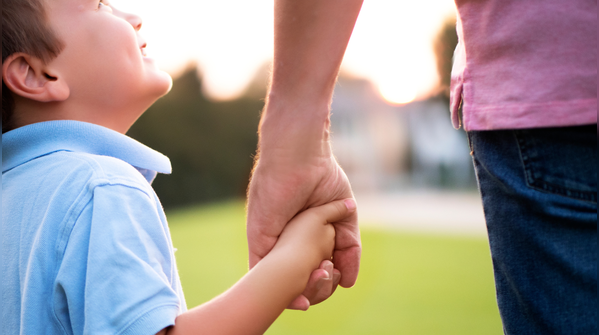
Good fathers do more than providing protection or financial security, and for sons, their influence stays long after childhood ends. While the lessons fathers teach are not always comforting, they quietly shape how boys understand discipline, confidence, and resilience. The truths sons learn from them sound brutal and harsh at first, however, these lessons help them grow up to be emotionally strong and grounded men.
Here are seven powerful life lessons good fathers teach their sons that stay with them for life:

Disciplined men are respected far more than talented men
Many boys believe that talent guarantees success. But good fathers teach their sons that discipline will always take a person further than natural ability ever can.
Discipline helps a person wake up early when unmotivated, continue practicing after failure, and stay committed even when results are slow. Fathers who teach this lesson help their sons understand that success is built through everyday habits, not occasional bursts of brilliance.

Your emotions can either guide you or destroy you
Good fathers teach their sons that emotions aren’t a man’s weakness. Anger, sadness, jealousy, frustration and fear are all natural human emotions. However, when a person lets emotions completely control their actions, they can damage relationships, opportunities and even their own peace of mind. They teach sons how to pause before reacting, and that emotional strength comes from understanding what one feels and responding with maturity.
Weak men wait for life to change them
Life doesn’t change on its own. Waiting endlessly for the “right time,” perfect motivation or ideal circumstances often keeps people stuck in the same place for years. This lesson helps boys understand the importance of action. Instead of blaming others or complaining constantly, they learn to focus on what they can control. Ultimately, fathers who teach accountability prepare their sons for real-world challenges.
Staying calm under pressure is a super power
In life, there will be moments of failure, conflict, stress and uncertainty that test a person’s patience and emotional strength. Good fathers teach their sons that in such situations, staying calm can become one of the greatest advantages a man has.
Sons also look up to their fathers. They learn from their actions. Fathers who remain composed during family problems, financial stress or emotional challenges silently show their sons what emotional stability looks like.

Most men ruin their future chasing temporary comfort
Constantly choosing temporary comfort over growth sabotages long-term happiness. Good fathers teach their sons that temporary pleasures often come at the cost of future stability. Good fathers teach their sons to embrace discomfort when necessary. This does not mean life should become joyless or overly strict. Instead, it teaches boys the value of balance and self-control.
Real character appears when no body’s watching you
A man’s true character is not built through public praise or appearances. It is revealed through private moments. Fathers pass on this lesson not only through words, but through everyday actions.
A father who stays honest or treats people with kindness and respect leaves a lasting impact on children. This lesson helps boys understand that character is about personal values, not performance.

Being needed is not the same as being respected
Good fathers teach their sons what self-worth is. They teach their sons that being constantly needed by others does not automatically mean a person is truly respected. Sons who learn this lesson early begin to understand that real relationships are based on mutual respect, not one-sided dependence. Such children grow up to become men who don’t fear rejection. They become men who help others out of genuine care, not out of fear of being rejected or forgotten.
Featured In lifestyle

