- News
- lifestyle
- relationships
- soul-curry
- The power and struggle of a widow...
Trending
This story is from July 6, 2022
The power and struggle of a widow...
Soul Curry invites you to share your real life soul-stirring experiences. If you have any such story to share, do send it to us at soulcurry@timesinternet.in and we will publish it for you!
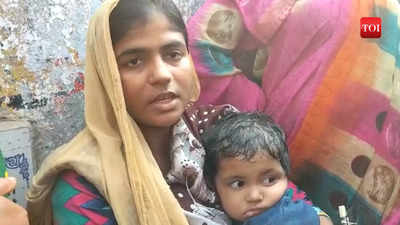
It was a decade or more ago. Every evening I would drop in a shop housed in a shabby hut to buy handmade chapattis. The shop was run by a septuagenarian widow who had lost her husband when she was in her mid-forty. Though both sides of the road were lined with a number of shops selling chapattis, never did I find her counter sparsely crowded with customers.

But there were some other different reasons that attracted me to the shop. It was her struggle for life single-handedly. I heard from her that when her husband died of a heart attack at the age of fifty, he was survived by his wife, three daughters and a son. He left behind the roadside shop and a small house. As a pure housewife with no experience of earning a single penny in life she was at sea. The son, the youngest of the four children, was still a toddler.
Though her parents halfheartedly wanted their ill-fated daughter with four children to live with them, she refused to accept their favour. Rather she was determined neither to give in to the tough luck caused by widowhood nor to be an object of pity to others. Instead of being engulfed in the ocean of bereavement, she, immediately after the last rites of her deceased husband, reopened the shop with a little capital. She would bring all her four children with her to the shop in the evening. The daughters would sit to study and look after their brother in the little space behind the room where the customers would sit and take tiffin when their father ran a food stall. The two elder ones would also assist their mother when the counter was pressed with customers. The old lady with her little knowledge would also guide them as per her capability. Above all, she could ingrain with her children the thought their days of misfortune would someday disappear if they concentrated on their studies.
Years passed. All the three daughters got masters. The eldest and the youngest ones were then working as teachers in a primary and a high school respectively. All of them got married to good and well-ff families. Her daughters entreated their mother not to run the chapatti shop anymore and led a comfortable life with them. But she paid little heed to their advice. A sense of self-respect always deterred her from depending on others economically. The catastrophe in the family after her husband’s demise had made her a self-sufficient lady who with her power of resilience could withstand any sort of hardship in life smilingly. However, her daughters when came to visit their mother’s house would help her to prepare chapattis and maintain the counter.
Her chapatti shop popularly known as “Burdir Dokan” (old lady’s shop) was the best one in the town. What was special about the shop was that about half a dozen old ladies worked in the shop to eke out their livelihood. All of them were widows. Yet only concern of the lady was that her son, who was then about thirty, had mental disorderliness.
After long years I came across her on the way. She was sitting with her son in a rickshaw. I stopped my bike in front of the rickshaw and asked her where they were going. She just beamed amicably and said that she was going with her son to her daughter’s house at Durgapur to attend the marriage ceremony of her granddaughter. When my attention drew to her son, she voluntarily informed me that her son after prolonged treatment got fully cured. She added that her son was now at the helm of the chapatti counter. The news overwhelmed me with pleasure as she also won the battle that had perhaps seemed to her invincible.
Read also: When an old, pale cobbler taught me what "work is worship" truly means
Read also: When a disabled man was wrongly accused of stealing
End of Article
FOLLOW US ON SOCIAL MEDIA








Photostories
Featured In Lifestyle

Soul Curry invites you to share your real life soul-stirring experiences. If you have any such story to share, do send it to us at soulcurry@timesinternet.in and we will publish it for you!
MORE FROM ETIMES
life & stylePopular Categories
Entertainment NewsBollywood NewsTollywood NewsKollywood NewsMollywood NewsMovie ReviewsLatest Hindi MoviesLatest Tamil MoviesMX PlayerParenting TipsHome RemediesWeight LossBeauty TipsParenting TipsHindi VideosHindi Video SongsBhojpuri Music VideosLatest Telugu MoviesBhojpuri Music VideoHindi TV News
Trending in Entertainment
Latest MoviesBollywood MoviesHollywood MoviesTamil Movies 2024Telugu Movies 2024Malayalam Movies 2024Kannada Movies 2024Marathi Movies 2024Bengali Movies 2024Top Rated Movies 2024Best Hindi MoviesBest English MoviesBest Telugu MoviesBest Tamil MoviesBest Malayalam MoviesBest Kannada MoviesBest Bengali MoviesUpcoming Hindi MoviesBest Movies Of All TimeBest Hindi Movies of All Time
Trending in Etimes
Horoscope TodayNumerology Predictions TodayWalking BenefitsBreast Cancer DiagnosisYung Filly Rape CaseTaylor Rousseau GriggBelly FatSean Diddy CombsOzempic PersonalityDepression RiskBelly Fat LossDurga Visarjan 2024Toxic FriendshipDonald TrumpElon MuskDussehra 2024Durga Ashtami 2024Multitasking TipsSaraswati Visarjan 2024
Trending in TV
Trending in Lifestyle
Trending in Regional
Movie Reviews
Binny And Family ReviewLove, Sitara ReviewWill & Harper ReviewWolfs ReviewYudhra ReviewJo Tera Hai Woh Mera Hai ReviewKahan Shuru Kahan Khatam ReviewHis Three Daughters ReviewNever Let Go ReviewDancing Village: The Curse Begins ReviewTransformers One ReviewFirst Love ReviewBerlin ReviewThe Buckingham Murders Review
Upcoming Hindi Movies
Upcoming Regional Movies
Latest News
Challenging Aspects in Astrology: What They Mean for YouNew Zealand pile pressure on India after routing Sri LankaInfosys to no longer send job offer letters and attachments, the company will ...In the land of Ram, a Ramlila that unites Hindus and Muslims'Singham Again' stars Ajay Devgn, Kareena Kapoor, Rohit Shetty spotted at airport as they jet off for Raavan Dahan in Delhi - Watch VIDEOPapankusha Ekadashi 2024: Date, Parana Time, Puja Rituals and Significance'Bigg Boss OTT 3' contestant Ranvir Shorey admits lack of patience for 'Bigg Boss', enters the show unprepared7 dead, 1 missing after car plunges into canal in HaryanaETimes Pic of the day: When Indrajith Sukumaran bumped into Mukesh Ambani at a traffic signalDid you know NTR is the only actor to play both Lord Rama and Ravana?TDB will go ahead with online darshan bookings at Sabarimala templeWho is judge Arun Subramanian? New Judge assigned to Sean 'Diddy' Combs sex-trafficking casePrasanth Varma shares his passion for superhero films inspired by mythology and magic'Against anyone who ... ': Congress snubs Owaisi after 'take everyone along' remarkIsrael army warns south Lebanon residents 'not to return to homes'RSS' 100th Foundation Day: Full text of speech by Mohan BhagwatStunning Dresses for a Perfect Birthday LookExclusive: Inside Taapsee Pannu’s house! I always wanted my house to look and feel very Indian says the actress
Other Group Sites -
ETimes is an Entertainment, TV & Lifestyle industrys promotional website and carries advertorials and native advertising.