
- News
- lifestyle
- soul-search
- When Lord Rama offered prayers to the Shami tree: Reasons to have the plant at home
When Lord Rama offered prayers to the Shami tree: Reasons to have the plant at home
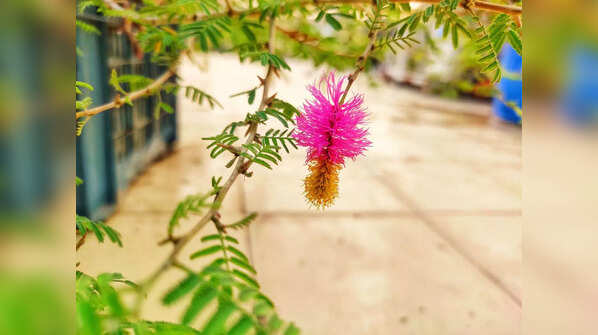
The importance of the Shami tree
The Shami tree is one of great importance to Hindus around the world. Shami is worshipped and respected in the Hindu culture and devotees plant a tree in their homes for its significance to scriptures and the benefits it offers. In fact, legend has it that Lord Rama worshipped the Shami tree during his exile period and when he waged a war on Lanka. His act of seeking blessings from the Shami tree is evidence of how sacred it is in the eyes of Hindus.
(Image: iStock)
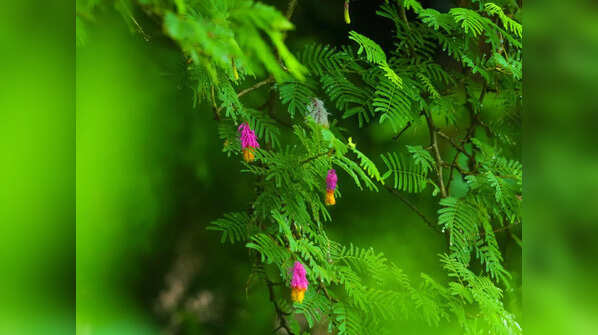
Lord Rama's offering to the Shami tree
According to religious texts, Shami tree is mentioned in both Ramayana and Mahabharata. In Ramayana, Lord Rama worshipped it before the Lanka war, while in Mahabharata, Arjuna hid his Gandiva bow in its branches. Plus, the leaves of the Shami tree are also given during the puja of Lord Ganesha and Goddess Durga Maa.
(Image: iStock)

Why you should keep a Shami tree at home - A sacred tree
Looking at how two great heroes of Indian epics (Lord Ram and Arjuna) have worshipped and sought the blessings of the tree, it becomes clear that it holds great significance and benefits. The Shami tree is considered sacred and placing it in your house can bring many religious benefits. Offering Shami leaves to gods during puja, yagna or hawans can help purify the environment and take the blessings of deities.

It purifies the air
The Shami tree is known to act as a natural air purifier. Similar to many other plants, it absorbs harmful pollutants and releases oxygen, which helps enhance the air quality within your home and benefit the people living in that space. This results in a healthier and more positive indoor environment where the presence of toxins is considerably low.

A soothing effect
Plants and greenery give a beautiful ambience and vibe to your home. The presence of a Shami plant at home is known to have a calming and soothing effect on the people living in that space. The plant at home or in the balcony, brings a sense of calmness. Its green leaves, the pink and yellow outgrowths and the peaceful look make the surroundings relaxing. This helps reduce stress and makes people feel better. The plant's presence creates a peaceful atmosphere, making everyone in the house feel more comfortable and relaxed.

Used in Ayurveda
In Ayurveda, the traditional system of medicine in India, various parts of the Shami tree, such as its leaves and bark, hold medicinal properties. The paste from Shami leaves is considered therapeutic and applying it to your face or to rashes can help calm any irritation or itch. The bark of the tree or the powder formed from its parts are also used in treating many diseases. According to sources, Ayurveda experts use the Shami tree to treat ailments like skin diseases and respiratory problems.

Shami plant and the relation to Lord Shani
According to Vedic astrology, the Shami tree is associated with Lord Shani, who is linked to the planet Saturn. It is widely said that the ill effects of Saturn or Shani Dev can bring great suffering in a person’s life and lead to loss of money, health and even life at times. To ward off any negative impacts of Shani dosha, it is recommended to keep a Shami plant at home. It is believed that Shami plant can mitigate the adverse effects of Saturn in the astrological chart and will bring positivity and wellness to their life.

Caring for the Shami Tree
All plants are a symbol of life and growth. They indicate living and breathing of all. And Shami plant is not just a symbol of growth but also a sacred one! So, it is important to ensure the right care of the plant once you bring it home.
For starters, plant it in well-draining soil and provide sufficient sunlight to the plant. Keep it in a place where sunlight comes regularly and shines bright. Plus, remember to water it regularly and seek advice from a gardener to care for it in the right way. To ensure that no pests or insects creep up on the plant, use organic pesticides and ways of control.
Featured In lifestyle

