
10 weird new year rituals you won't believe exist
10 weird new year rituals you won't believe exist
New Year’s Eve is observed globally in several ways, such as light displays, celebrations, and new year’s resolutions, but not all new year’s traditions seem as common as opening champagne and celebrating. Across the world, various unusual and interesting practices occur for the advent of the new year. Ranging from consuming grapes to ringing in the new year in Ecuador by burning effigies, such practices appear peculiar to other cultures, but they hold great significance, represent their concept of luck, or help ensure that their lives become filled with health, wealth, and happiness in the coming year.
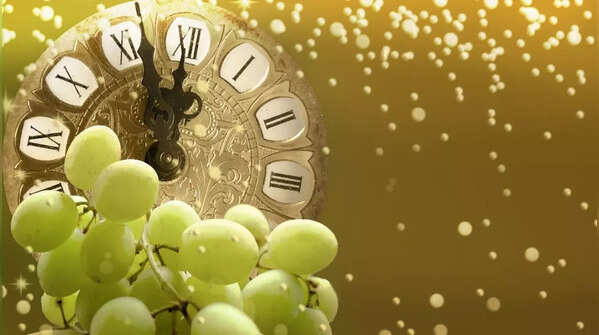
Eating 12 grapes at midnight – Spain
In some parts of Spain, people try to eat 12 grapes, one for each bell chime at midnight. Each grape represents a month of the coming year and is believed to bring good luck and prosperity. Missing any can mean bad luck, so the challenge is to finish them all in time.
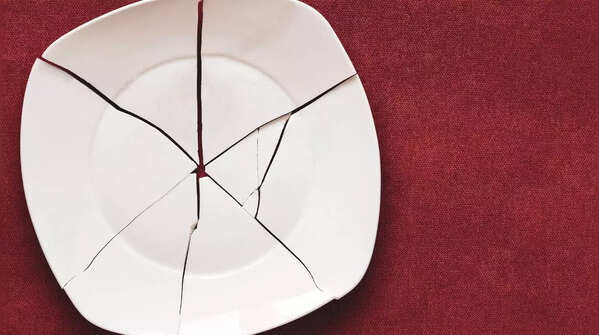
Smashing plates – Denmark
In some areas of Denmark, Danes collect old plates and crockery throughout the year, then throw them against friends’ and family’s doors on New Year’s Eve. The belief says the more broken pieces, the more luck and friendships you’ll have in the coming year, and it’s meant to banish bad spirits and negativity.
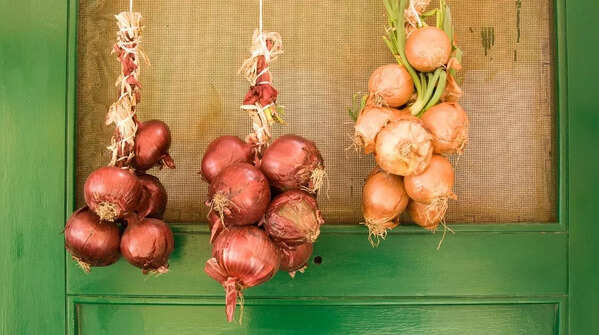
Hanging onions on the door – Greece
In some parts of Greece, families hang large onions on their doors after New Year’s Day church services. Onions symbolise rebirth and growth, because they sprout even when neglected. This quirky ritual is believed to bring prosperity and renewed strength into the home throughout the year.
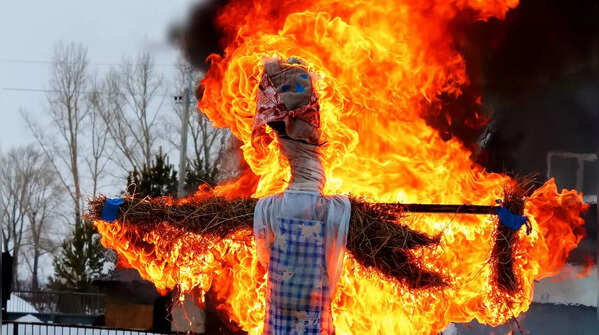
Burning effigies – Ecuador
Ecuadorians erect giant figures made out of grass named “Años Viejos,” symbolising the passing year in resemblance to politicians or celebrities. The figure is then set ablaze at the end of the year to rid itself of the woes of the past year and usher in good luck in the coming year.
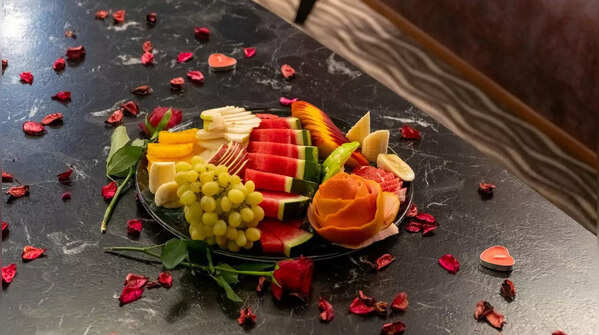
Serving round fruits – Philippines
In some areas of the Philippines, families display 12 round fruits during New Year celebrations. Because circles resemble coins, the fruit ritual symbolises wealth and prosperity. Eating round foods and keeping circular objects like coins in pockets is believed to attract financial good fortune for every month of the year.
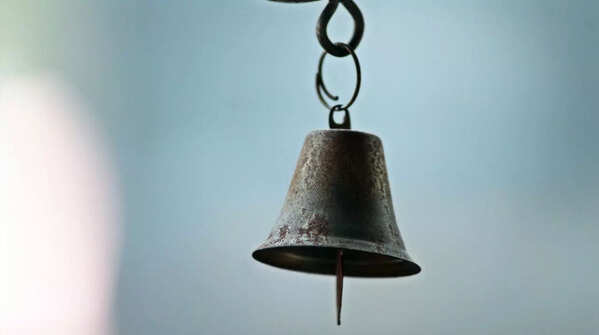
Bell ringing 108 times – Japan
In Japan, Buddhist temples ring bells 108 times on New Year’s Eve. The ritual, called Joya-no-Kane, represents the 108 human desires in Buddhism that cause suffering. Ringing the bells is believed to purify listeners spiritually, dispelling past negativity and welcoming peace into the new year.
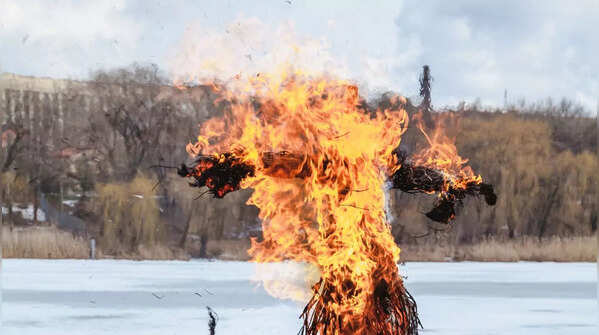
Burning “Pappanji” Effigy – India (Kerala)
In some parts of Kerala (India), people make a life-sized Pappanji effigy of an old European man representing the year that’s ending. At midnight, the effigy is burned in a community celebration to symbolise letting the old year go and welcoming new beginnings.
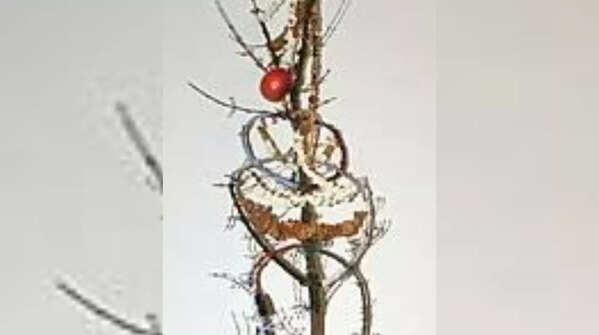
Survakane tapping – Bulgaria
On New Year’s Day in Bulgaria, the youngest family member uses a decorated stick called a survaknitsa to pat relatives on the back. This ritual, Survakane, is believed to bring health and prosperity for the year, symbolising good wishes and well-being from the youngest generation.
Tossing furniture out windows – Italy/South Africa
In parts of Italy and even Johannesburg, South Africa, people throw old furniture out of windows on New Year’s Eve to symbolise “out with the old.” It’s an odd way of clearing out bad luck and making space for fresh energy, though obviously chaotic.
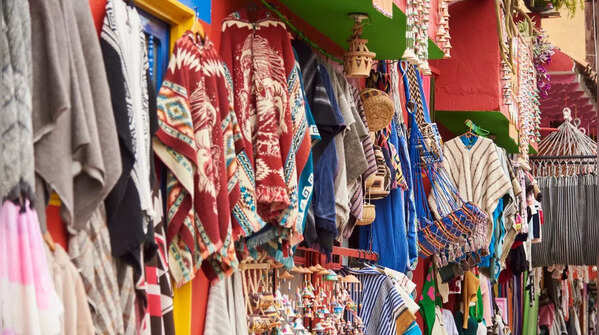
Colourful underwear choices – Latin America
In countries like Mexico and Brazil, the colour of your underwear on New Year’s Eve is believed to influence the coming year. Yellow is for prosperity, red for love, green for health, and white for peace. People deliberately choose colours based on the blessings they want in the year ahead.
New Year events are not just ordinary parties; they are about cultures, beliefs, and expectations for the new year. The strange customs described, from smashing the furniture out of the window to putting on coloured underwear, suggest the various ways people try to attract good fortune, prosperity, and happiness. Whatever strange customs these may be or in some cases, how far-fetched, these customs demonstrate that we all are not so different in our hopes of abandoning the old and moving on to the new with a sense of purpose and delight.
Featured In lifestyle

MORE FROM ETIMES
life & style