
7 stunning colour-changing birds found around the world
7 stunning colour-changing birds found around the world
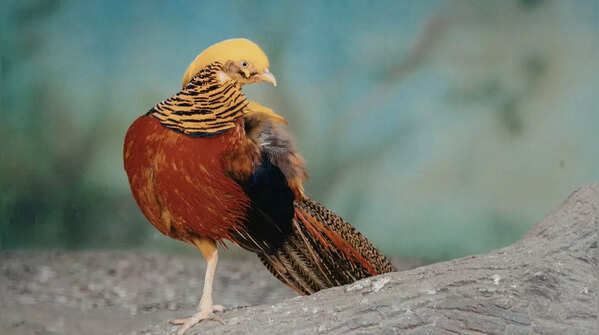
Nature often displays its beauty in the form of colours, and birds are one of the most colourful examples of this. Some species of birds change colours according to the seasons, light, age, or breeding habits. This is a means for them to attract a mate, defend themselves against predators, or camouflage themselves within their surroundings.
Below are seven fascinating birds known for their colour-changing or colour-shifting plumage.
Image Credit: Canva
Ruff
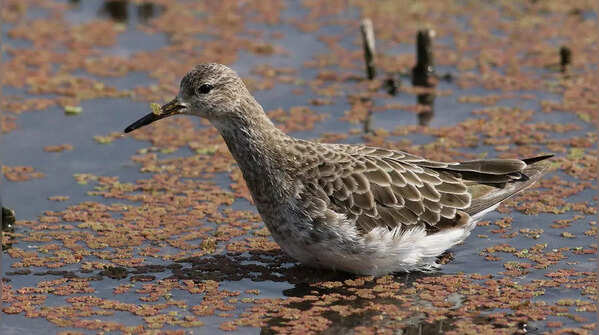
The ruff shows one of the most dramatic seasonal transformations among birds. For much of the year it appears plain brown, but during spring breeding season males develop ornate neck collars in shades of black, rust, white, and gold to attract females. After breeding, these bright feathers are shed, returning the bird to a simpler appearance.
Image Credit: Canva
Rock Ptarmigan
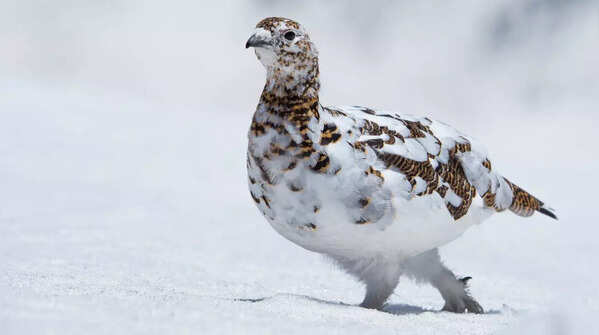
This Arctic bird changes colour to match its environment. In winter it turns completely white for camouflage in snow, while spring and summer bring brown-grey feathers that blend with rocky terrain. Males also develop a small red eye patch during breeding season, demonstrating how colour supports both survival and reproduction.
Image Credit: Canva
Scarlet Tanager
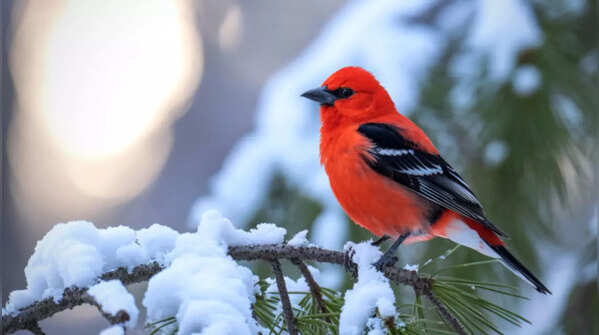
Male scarlet tanagers display brilliant red plumage with black wings during summer breeding months. After the season ends, they transform into a dull yellow-green shade that helps conceal them during migration. Females remain greenish-yellow year-round but brighten slightly in spring, showing how colour change supports safety and mating behaviour.
Image Credit: Canva
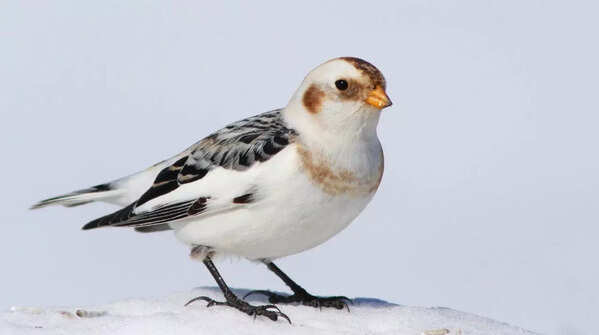
Snow Bunting
Snow buntings adjust their colours with the seasons for camouflage and temperature regulation. Winter males are mostly white with black wings to blend into snowy landscapes, while summer plumage becomes browner to match breeding grounds. Females also darken slightly during nesting, improving protection from predators.
Image Credit: Canva
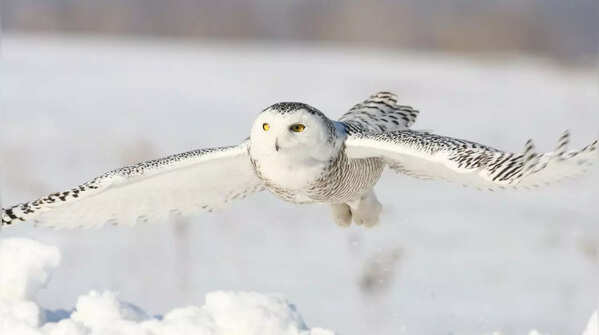
Snowy Owl
The snowy owl’s plumage shifts between seasons, appearing bright white in winter for concealment in tundra snow and developing darker markings in summer. This gradual change improves camouflage and hunting success as the environment transitions from frozen white to rocky terrain.
Image Credit: Canva
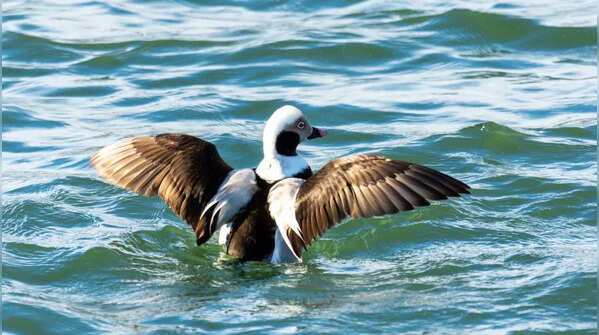
Long-tailed Duck
Male long-tailed ducks transition from bold black-and-white winter plumage to duller grey-brown tones in summer, while females show subtler seasonal adjustments. These colour shifts reduce visibility during nesting and reflect changing behavioural needs across the year.
Image Credit: Canva
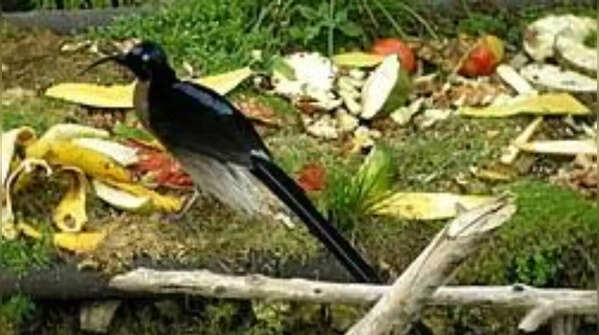
Six-wired Bird-of-paradise
This tropical species creates dazzling colour shifts through microscopic feather structures that act like tiny mirrors. During courtship displays, the chest feathers flash changing shades of orange, yellow, green, and blue, producing one of the most visually dynamic performances in the bird world.
The colour-changing birds are examples of the remarkable connection between beauty and survival. Whether it is camouflage for the seasons, courtship displays, the structure of feathers, or even the change in eye colour, these birds show how evolution has designed beauty for a purpose. Watching these birds not only amazes one but also helps one appreciate the biological strategies involved in survival.
Image Credit: Wikipedia
Featured In lifestyle

MORE FROM ETIMES
life & style