Trending
This story is from October 3, 2022
Lucknow Ramlila to break a 300-year-old tradition
The Ramlila committee has decided to discontinue the 300-year-old practice of burning effigies of Kumbhkaran and Meghnad along with that of Ravan this Dussehra
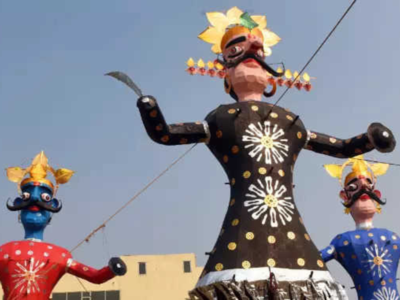
As the childhood memories of three major effigies being burned on the occasion of Dussehra have been engraved on our minds, to see curtains being drawn on a historic tradition at the centuries-old Aishbagh Ramlila in Lucknow this year, might actually be hard. The Ramlila committee has decided to discontinue the 300-year-old practice of burning effigies of Kumbhkaran and Meghnad along with that of Ravan this Dussehra.
The organizers, after studying Ramayana texts thoroughly, mention that Kumbhkaran and Meghnad had tried to dissuade Ravana from fighting against Lord Ram initially even though they ended up participating in the war too. Hence, the committee has decided to do away with the burning of their effigies.
The idea was first mooted by the Aishbagh Dussehra and Ramlila Committee president Harishchandra Agrawal and secretary Aditya Dwivedi five years ago, but it was rejected by other members on the grounds that burning effigies of the trio was part of a 300-year-old tradition.

The tradition to burn effigies was introduced about three centuries ago. Both traditions were conducted by seers till the 1857 first war of independence. The nawabs of Lucknow also used to visit the Ramlila. After the uprising, the celebrations were carried forward by social workers.
The organizers, after studying Ramayana texts thoroughly, mention that Kumbhkaran and Meghnad had tried to dissuade Ravana from fighting against Lord Ram initially even though they ended up participating in the war too. Hence, the committee has decided to do away with the burning of their effigies.
The idea was first mooted by the Aishbagh Dussehra and Ramlila Committee president Harishchandra Agrawal and secretary Aditya Dwivedi five years ago, but it was rejected by other members on the grounds that burning effigies of the trio was part of a 300-year-old tradition.
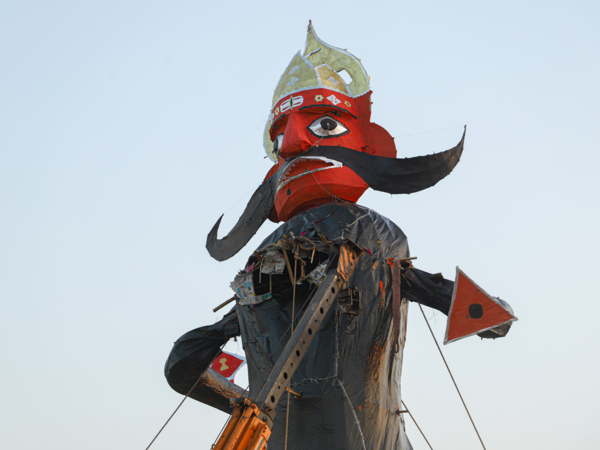
“A thorough reading of Ramcharitmanas and other versions of the Ramayana reveals that Ravana’s son Meghanad had told him that Lord Ram was an incarnation of Vishnu and they should not wage war against him. Ravana’s brother Kumbhkarna, on the other hand, told him that Sita, whom the Lanka king had kidnapped, was none other than Jagdamba and if he doesn’t free her, he might end up losing everything, including his life. However, Ravana ignored their suggestions and ordered them to fight. This is why, we thought, burning effigies of Meghan and Kumbhkarna is wrong,” Dwivedi told
The tradition to burn effigies was introduced about three centuries ago. Both traditions were conducted by seers till the 1857 first war of independence. The nawabs of Lucknow also used to visit the Ramlila. After the uprising, the celebrations were carried forward by social workers.
End of Article
FOLLOW US ON SOCIAL MEDIA








Photostories
Featured In Lifestyle
Popular Categories
Entertainment NewsBollywood NewsTollywood NewsKollywood NewsMollywood NewsMovie ReviewsLatest Hindi MoviesLatest Tamil MoviesMX PlayerParenting TipsHome RemediesWeight LossBeauty TipsParenting TipsHindi VideosHindi Video SongsBhojpuri Music VideosLatest Telugu MoviesBhojpuri Music VideoHindi TV News
Trending in Entertainment
Latest MoviesBollywood MoviesHollywood MoviesTamil Movies 2024Telugu Movies 2024Malayalam Movies 2024Kannada Movies 2024Marathi Movies 2024Bengali Movies 2024Top Rated Movies 2024Best Hindi MoviesBest English MoviesBest Telugu MoviesBest Tamil MoviesBest Malayalam MoviesBest Kannada MoviesBest Bengali MoviesUpcoming Hindi MoviesBest Movies Of All TimeBest Hindi Movies of All Time
Trending in Etimes
Trending in TV
Trending in Lifestyle
Trending in Regional
Movie Reviews
Berlin ReviewThe Buckingham Murders ReviewSpeak No Evil ReviewVisfot ReviewThalapathy Is The G.O.A.T ReviewRebel Ridge ReviewDetective Conan vs. Kid the Phantom Thief ReviewBeetlejuice Beetlejuice ReviewPad Gaye Pange ReviewA Wedding Story ReviewThe Diary Of West Bengal ReviewTikdam ReviewKinds Of Kindness ReviewAfraid Review
Upcoming Hindi Movies
Upcoming Regional Movies
Latest News
Centre to examine EY India worker’s demiseWWE NXT Viewership Skyrockets on 9/17 following CM Punk's appearanceGoogle offers to sell part of its advertising technology business, but why European Union publishers are not happy with the proposal'Unwarranted, unsubstantiated': India reacts strongly to US court summons over pro-Khalistani terrorist Pannun's lawsuit over 'assassination bid'KMAT 2024 admit card released at kmatindia.com, exam on Sept 22: Direct link to download hereThalapathy Vijay’s GOAT is inching towards Rs 15 crore mark in HindiHaryana AAP chief Sushil Gupta slams BJP, criticises 'one nation, one election' as unrealistic promiseRavichandran Ashwin's sixth Test ton vs Bangladesh seals rare cricketing featAnantapur court sentences one to life imprisonment and seven to rigorous imprisonment in a kidnap and murder caseBanks to play important role in making in Viksit Bharat : FM SitharamanAdulteration of cow ghee used in Tirupati Laddus triggers political slugfest between TDP and YSRCPSuch knocks will help me become strong and play in all conditions, says Yashasvi Jaiswal after making fiftyOnePlus 12 is available for Rs 35,314 only on Amazon; check exchange deal and bank offersTelangana MSME policy: Focus on womenpreneurs, Rs 100 crore Yantram Fund for tech upgradeAccenture shifts promotion cycle to JuneCong protests in Nagpur over remarks of Sena, BJP leaders against Rahul GandhiPM Modi asks people to bid for mementoes given to himPet parents run Dogathon with their fur buddies
Other Group Sites -
ETimes is an Entertainment, TV & Lifestyle industrys promotional website and carries advertorials and native advertising.