
- News
- lifestyle
- travel
- destinations
- Can you guess the temples and places featured on INR 10, 20, 50, 100, 200 and 500 currency notes?
Can you guess the temples and places featured on INR 10, 20, 50, 100, 200 and 500 currency notes?
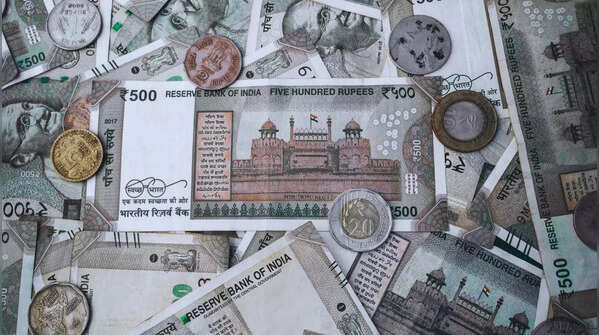
Can you guess the temples and places featured on INR10, 20, 50, 100, 200 and 500 currency notes?
Not just the legal tender, Indian currency notes silently display the country's architecture, culture, and historical depth. The Reserve Bank of India identified iconic monuments from various regions of the country under the Mahatma Gandhi Series (New) series. Though all the currency notes issued are not temple structures, there are quite a few that hold religious or cultural significance.
Here’s a denomination-wise breakup of the places shown on the INR 10, INR 20, INR 50, INR 100, INR 200 and INR 500 notes.
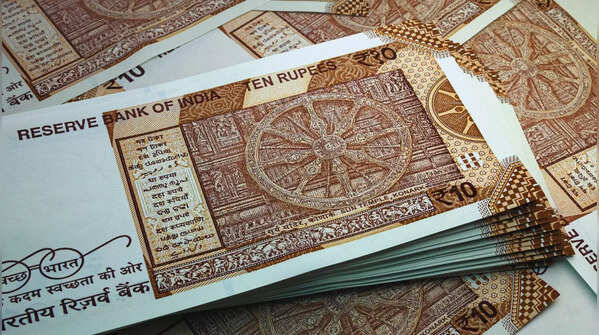
INR 10 Note - Konark Sun Temple, Odisha
The INR 10 note features the world-famous Konark Sun Temple. The Konark Sun Temple is one of the most renowned groups of temples in India. It dates back to the 13th century and was built during the reign of King Narasimhadeva I of Eastern Ganga. This temple is a giant stone chariot in honour of the Sun God or 'Surya.' This is famous for its stone wheels, horses, and other figures that show daily life and mythological things.
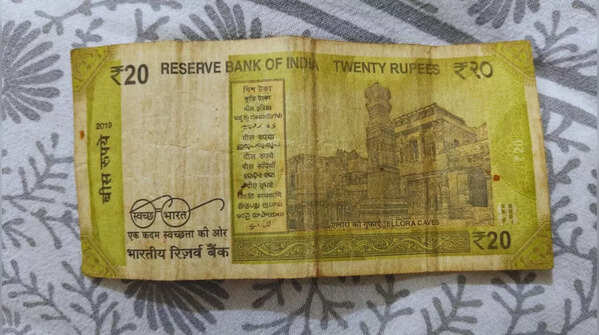
INR 20 Note – Kailasa Temple, Maharashtra
The INR 20 currency depicts the Kailasa Temple, which is present inside the Ellora Caves complex. The most celebrated structure inside the Ellora Caves complex is the Kailasa Temple, also referred to as Cave 16, and is the largest monolithic rock-cut temple in the world, carved out from a single rock. The Ellora Caves itself depict the religious tolerance and architectural expertise that India is renowned for, datable to the 6th-10th century AD.
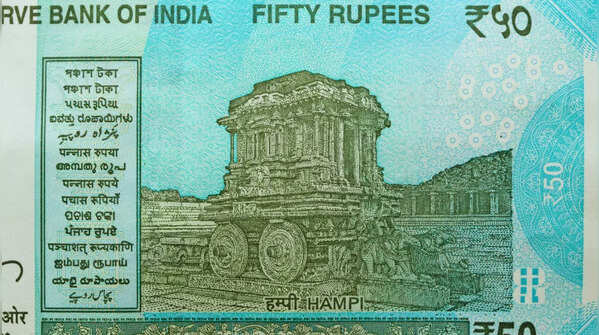
INR 50 Note – Vijaya Vittala Temple, Karnataka
The INR 50 denomination features the famous 'Vijaya Vittala Temple' in Hampi, the erstwhile capital of the 'Vijayanaga Empire'. Hampi was once ‘one of the richest, most powerful, and largest cities in the ancient world in terms of economic, military, and political strength in the 14th to 16th centuries’, while today, Hampi is a 'large open-air museum' in terms of temples, bazaars, and royal buildings.
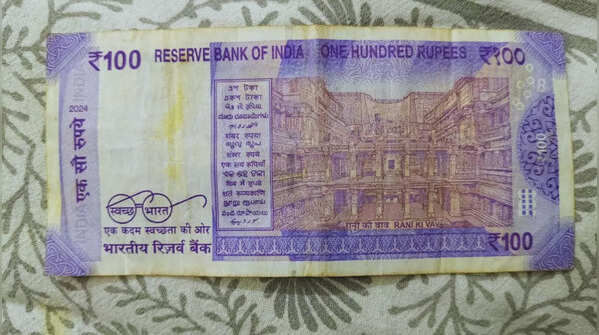
INR 100 Note – Rani ki Vav, Gujarat
The INR 100 currency note has a representation of Rani ki Vav, which is a beautifully carved stepwell constructed back in the 11th century during the Solanki dynasty's rule. This was erected by Queen Udayamati in honor of her late husband, King Bhimdev I. Rani ki Vav is not just a masterpiece of engineering but is also a religious site. It is carved with numerous sculptures of Hindu gods, apsarases, and mythological illustrations. It is an inverted temple that goes below ground level.
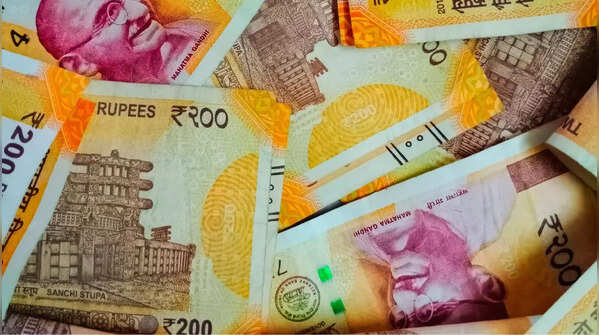
INR 200 Note – Sanchi Stupa, Madhya Pradesh
The INR 200 note features the Sanchi Stupa, one of the oldest surviving stone structures in India and a significant symbol of Buddhist heritage. Originally commissioned by Emperor Ashoka in the 3rd century BCE, the Great Stupa at Sanchi was built to house sacred relics of the Buddha. The monument is renowned for its massive hemispherical dome and its exquisitely carved toranas (gateways), which depict scenes from the Buddha’s life, Jataka tales, and early Buddhist symbols.
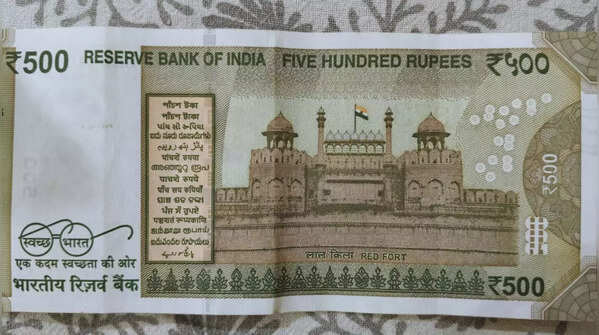
INR 500 Note – Red Fort, Delhi
The INR 500 note features the Red Fort, a monumental Mughal-era fortress built by Emperor Shah Jahan in the 17th century. Though not a temple, the Red Fort holds immense national and cultural significance. It is from the ramparts of the Red Fort that the Prime Minister of India addresses the nation every Independence Day. The monument symbolises India’s struggle for freedom, sovereignty, and governance, making it a fitting choice for one of the country’s highest-circulation denominations.
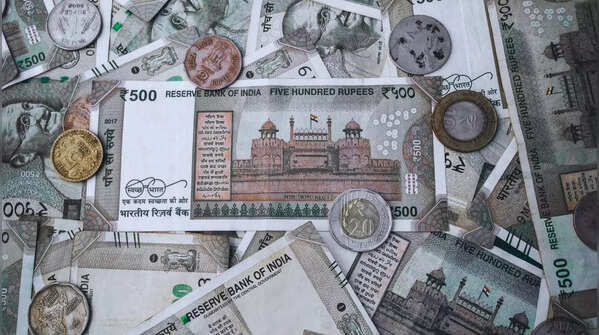
Can you guess the temples and places featured on INR10, 20, 50, 100, 200 and 500 currency notes
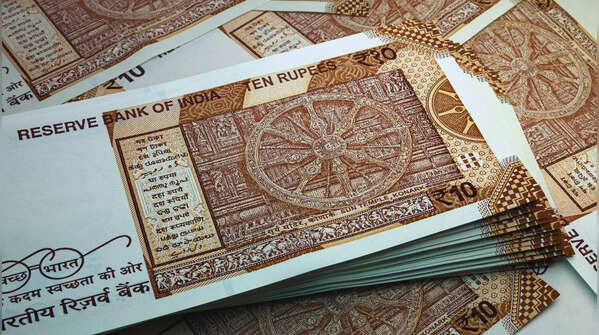
INR 10 Note - Konark Sun Temple, Odisha
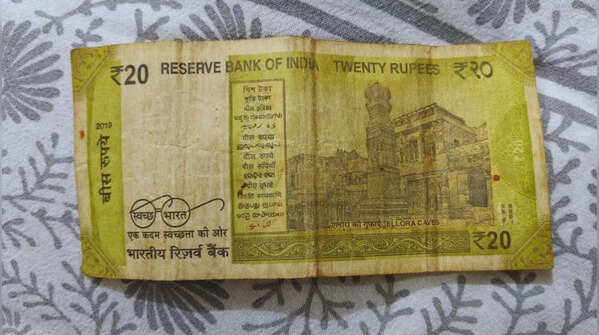
INR 20 Note – Kailasa Temple, Maharashtra
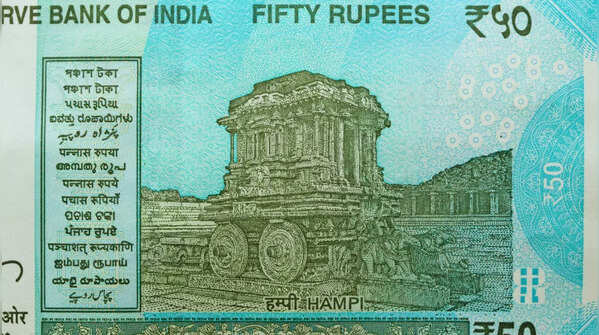
INR 50 Note – Vijaya Vittala Temple, Karnataka
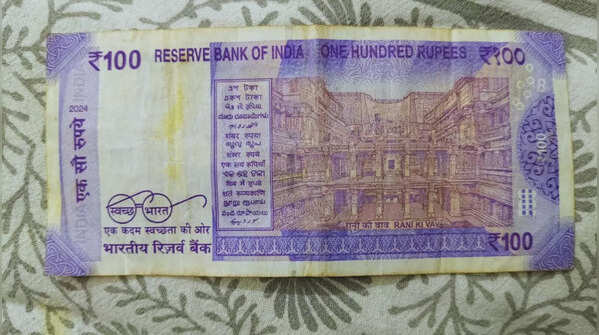
INR 100 Note – Rani ki Vav, Gujarat
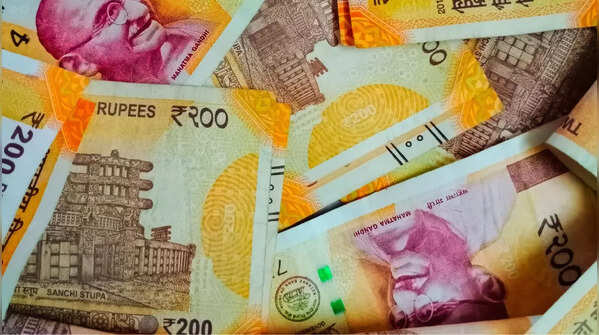
INR 200 Note – Sanchi Stupa, Madhya Pradesh
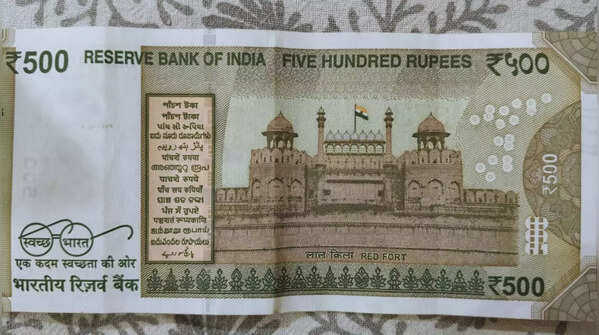
INR 500 Note – Red Fort, Delhi
Featured In lifestyle

