
- News
- lifestyle
- travel
- destinations
- World Wildlife Day 2026: Wildlife parks and reserves in India known for medicinal and aromatic plants
World Wildlife Day 2026: Wildlife parks and reserves in India known for medicinal and aromatic plants
World Wildlife Day 2026: Wildlife parks and reserves in India known for medicinal and aromatic plants
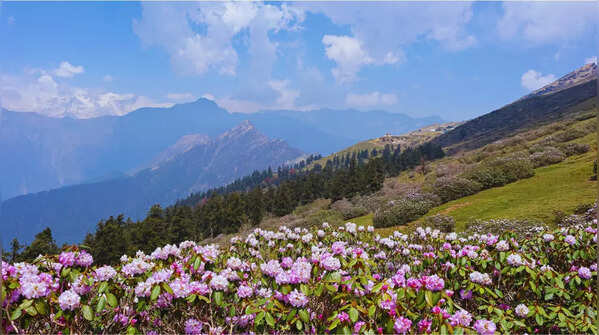
On March 3rd each year, World Wildlife Day brings into focus the extraordinary richness of life on our planet and the pressing need to conserve it. The theme for World Wildlife Day in 2026, “Medicinal and Aromatic Plants: Conserving Health, Heritage, and Livelihoods,” brings into focus a different, yet equally powerful, aspect of biodiversity—plants that heal, enrich, and support rural life. In India, systems of traditional healing such as Ayurveda, Siddha, Unani, and tribal healing practices continue to rely on wild medicinal plants. Many of these species grow inside national parks and wildlife reserves, landscapes better known for tigers and elephants, yet equally vital for preserving rare herbs, aromatic shrubs and therapeutic trees
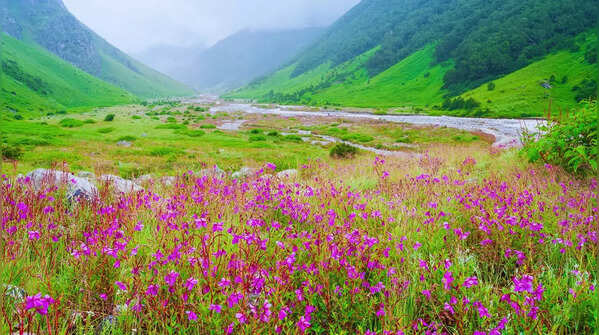
Valley of Flowers National Park in Uttarakhand
Tucked high in Uttarakhand’s Chamoli district, this UNESCO World Heritage Site transforms into a mosaic of colour during the monsoon. Beyond its visual splendour lies an alpine treasury of medicinal herbs. Plants such as Aconitum, Picrorhiza kurroa (kutki, valued for liver ailments), and Dactylorhiza hatagirea grow in its meadows. The extreme altitude, between 3,200 and 6,700 metres, creates ideal ecological niches for rare Himalayan botanicals that cannot survive elsewhere.
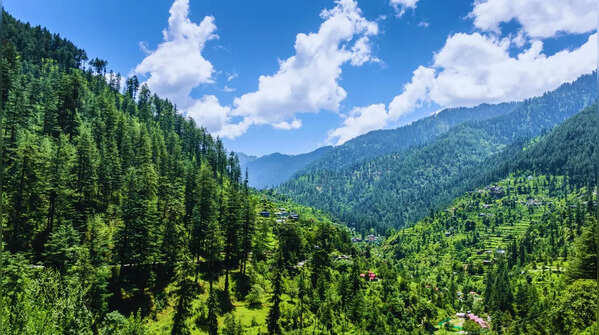
Great Himalayan National Park in Himachal Pradesh
Spread across rugged valleys in Himachal Pradesh, this UNESCO-listed park is one of India’s most important medicinal plant landscapes. The varying elevations in this range are home to a variety of species that include Saussurea costus (kuth), which was traded in the past for its aromatic roots; Aconitum heterophyllum (atis), used in Ayurvedic medicines; and Nardostachys jatamansi (spikenard), valued for its fragrant. Conservation efforts here help regulate sustainable use of high-value Himalayan herbs.
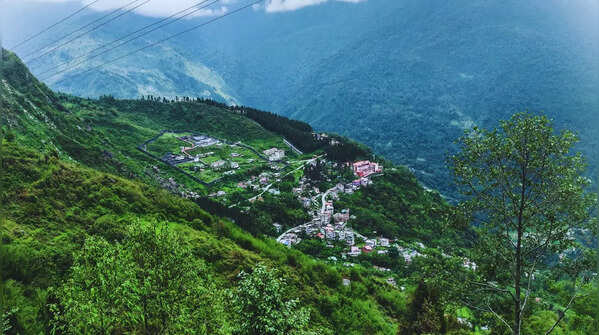
Khangchendzonga National Park in Sikkim
Dominated by glaciers and sacred peaks, this Eastern Himalayan park harbours over 4,500 species of plants. Medicinal varieties include Himalayan ginseng, or Panax pseudoginseng, and alpine rhubarb, among other plant species used in traditional medicine. The indigenous population continues to exploit the richness of the flora, combining conservation with traditional knowledge.

Periyar Tiger Reserve in Kerala
Apart from the iconic wildlife, Periyar Tiger Reserve harbors wild relatives of black and white peppers, as well as cardamoms, and aromatic flora in the understory, which find application in traditional medicine. The tribal population of Periyar and surrounding areas possesses in-depth knowledge of ethnobotany related to the forests of Periyar.
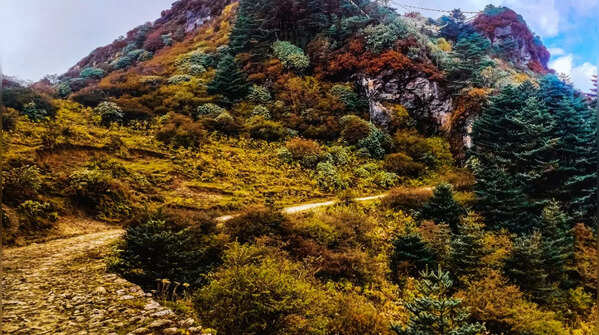
Beekay Bhanjan in West Bengal
This region lies in the Singalila ridge and is characterized by a high-altitude zone of potent alpine herbs, including various Aconitum plant species, which find application in traditional medicine after processing, as they are toxic in their raw form. The cool climate of the region supports a unique mix of potent Himalayan flora.
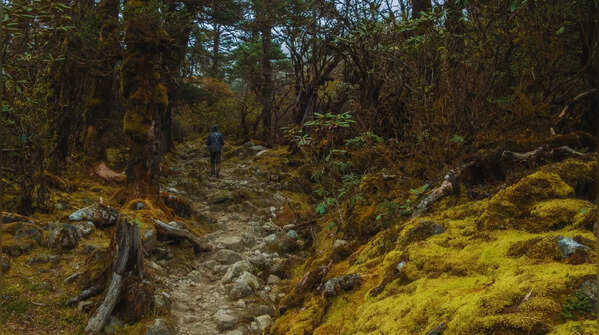
Singalila National Park in West Bengal
This Eastern Himalayan park is botanically rich, supporting Himalayan Yew, whose bark contains compounds used in cancer treatment. Other medicinal plant species include Berberis and Podophyllum hexandrum, which have traditionally been used for medicinal purposes. The park’s altitudinal gradient provides an ideal condition for the development of diverse medicinal flora.
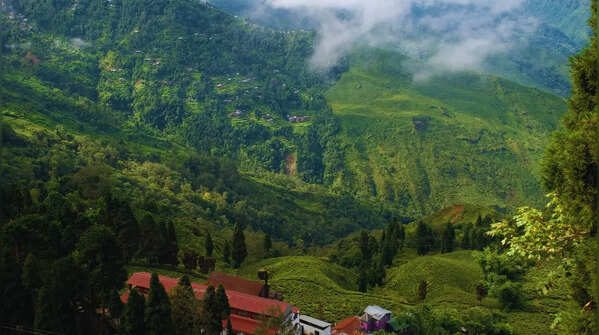
Tonglu and Dhotrey in West Bengal
The high-altitude Himalayan villages located inside and around Singalila National Park are known for their high density of medicinal herbs such as Swertia chirayita (chirata), Aconitum, and Berberis.
Featured In lifestyle

