Trending
Different types of Visa US offers and which are among the easiest to get
US visa
Visa application
Understanding the two main U.S. visa categories
Non-immigrant visas (temporary stay)
Immigrant visas (permanent residence)
NON - IMMIGRATION VISAS: TEMPORARY ENTRANCE TO USA
US visa application
Visitor visas (B categories)
- B-1 visa – Business visitor: The B-1 visa is exclusively intended for those people who are planning to visit the US on a short-term visit to attend business-related matters such as conferences and negotiations. However, this visa does not enable the holder and/or its beneficiaries to be employed and/or receive compensation within the US.
- B-2 visa – Tourist visitor: This type of visa deals with tourism-related activities, visits to friends and/or relatives, visits for receiving medical treatment, and social events.
- B-1/B-2 Combined visa: The great majority of applicants will be issued a B-1/B-2 visa combining business and tourist visits.
What makes this category one of the easiest?
Student visas (F and M categories)
- F-1 visa – Academic students: F-1 visa is intended for students studying at accredited educational establishments like universities, colleges, high schools, or language courses. Applicants must show proof of admission, financial ability, and intent to leave the U.S. after completing their studies.
- M-1 visa – Vocational students: The M-1 visa is for non-academic or technical training programmes, such as aviation schools or vocational institutes.
Exchange visitor visas (J-1 categories)
- The J-1 visa facilitates cultural and educational exchange programs, which include research scholars, professors, interns, trainees, au pairs, and medical residents. Some J-1 visas carry a two-year home-country physical presence requirement, meaning the holder must return home for two years before applying for certain other U.S. visas.
Work visas (Employment-based nonimmigrant visas)
US H-1B visa
- H-1B visa – Specialty occupations: The H-1B visa applies to professionals in the IT, engineering, healthcare, and financial specialties. This visa requires sponsorship from a business in the country. It has an annual quota. It used to come with a lottery system, but the traditional random H-1B visa lottery has been discontinued. Starting with the FY 2027 registration cycle, opening in March 2026, now the U.S. government has introduced a wage-weighted selection system in its place.
- H-2A and H-2B visas – Temporary workers: H-2A covers agricultural workers, while H-2B applies to seasonal non-agricultural workers.
- L-1 visa - Intra-company transfers: The L-1 visa enables foreign companies to transfer their top managerial employees or specialists to the affiliated companies based in the USA.
- O-1 visa – Extraordinary ability: O-1 visas are for people with extraordinary abilities in the areas of science, arts, education, business, or athletics.
Religious worker visas (R-1 category)
- The R-1 visa is for ministers, priests, imams, rabbis, nuns, and other religious workers employed by recognised U.S. religious organisations. Applicants must show prior religious experience and organisational sponsorship.
Fiancé visa (K-1 category)
- The K-1 visa is an entry visa that allows a foreign-born fiancé of a United States citizen to enter the country for purposes of marriage. The couple is required to marry within 90 days of arrival.
Victim and Humanitarian visas U and T categories
- U Visa - for victims of certain crimes who assist law enforcement
- T Visa - Victim of Human Trafficking
IMMIGRANT VISAS: PERMANENT RESIDENCE IN THE U.S.
- Family-based immigrant visas: These visas allow U.S. citizens and lawful permanent residents to sponsor close relatives or the immediate relatives of the U.S. citizens. Such as spouses, unmarried children under 21, and parents. These categories are not subject to annual caps, making them among the fastest immigrant visas.
At present, the U.S. Department of State has put an indefinite hold on immigrant visa processing for applicants from 75 countries, effective January 21, 2026. The measure, introduced by the Trump administration under existing “public charge” regulations, is aimed at temporarily halting permanent immigration from countries whose nationals are assessed as being at higher risk of depending on U.S. government assistance. However, the suspension applies only to immigrant visas, which are used for obtaining permanent residency, and does not impact non-immigrant visas such as those issued for tourism or short-term business travel. - Employment-based immigrant visas (EB categories): Employment-based immigrant visas are divided into preference levels based on skills, education, and job roles. These visas require employer sponsorship in most cases and are capped annually. Waiting periods vary significantly by category and country of origin.
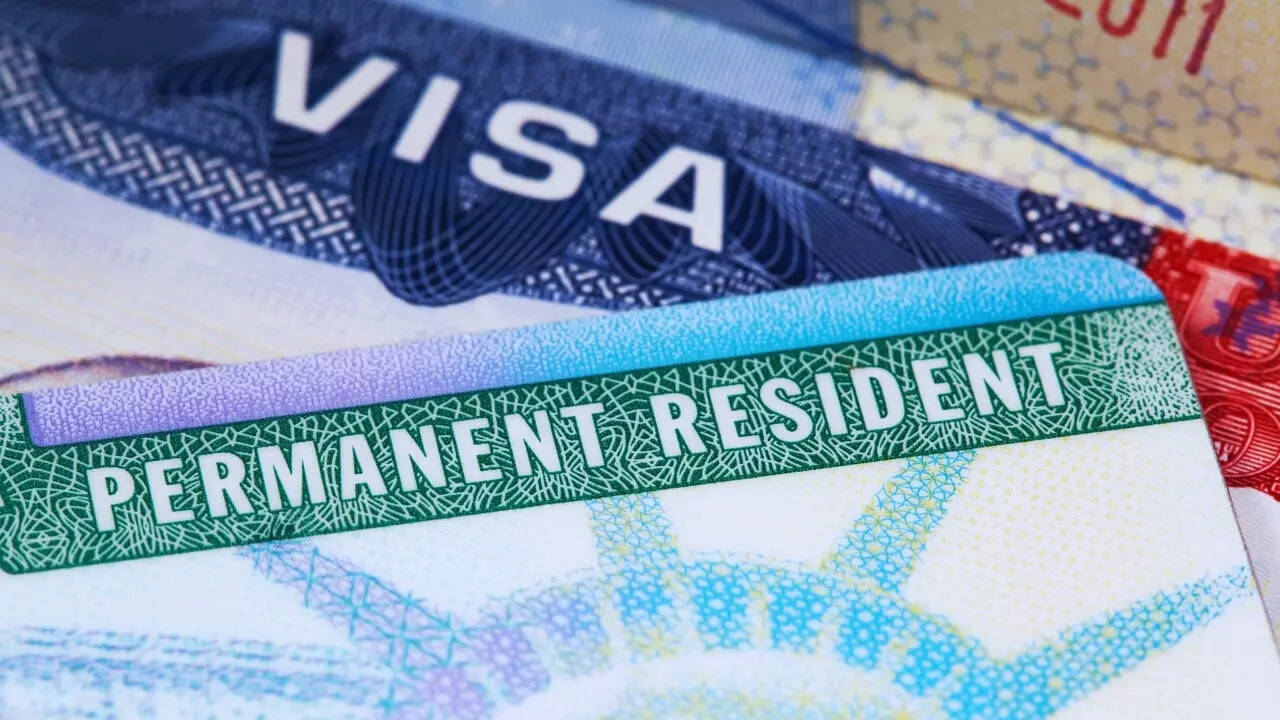
US permanent residence card
Investor visa (EB-5 category)
- The EB-5 visa allows foreign investors to obtain permanent residence by making a substantial investment in a U.S. business and creating jobs for U.S. workers. As of the most recent USCIS policy under the EB-5 Reform and Integrity Act of 2022, the EB-5 Immigrant Investor Visa Program requires foreign investors to make a qualifying investment in a new commercial enterprise in the United States that will create or preserve at least 10 full-time jobs for U.S. workers. The minimum investment amount is USD 1,050,000 in most locations, but a reduced threshold of USD 800,000 applies if the investment is made in a Targeted Employment Area (TEA), defined as a rural area or a high-unemployment area, or in a qualifying infrastructure project.

About the AuthorTOI Lifestyle Desk
End of Article
Follow Us On Social Media
Health +
Tired of too many ads?go ad free now
lifestyle videos
Featured In Lifestyle

Tired of too many ads?go ad free now



Hot on the Web
Hindi Movies 2026Thyroid SymptomsKhushi MukherjeeAkshaye KhannaBorder 2 TrailerHappy Patel First ReviewJana NayaganDhurandharCountries With Most VegetariansBaby NamesSteamed Breakfast DishesMicheal JacksonParasakthi CollectionSnake Plant BenefitsBigg Boss Marathi Contestants ListDhanushMary KomAmitabh BachchanZendayaPriya SachdevMarcus AureliusJana Nayagan Movie HearingThe Raja Saab Box Office CollectionKaran JoharGurmeet ChoudharyDhurandhar Movie CollectionAR RahmanMana ShankaraVaraprasad Garu CollectionDhurandhar Movie ReviewAristotleWilliam ShakespeareRiver That Flows BackwardsWorld Largest Beaver DamSnake Plant BenefitsQuote Of The Day By Thomas A EdisonLongest Venomous King CobraApple iPhone 17 ProHotel Room On MoonBirds That Can Regrow FeathersVeg LaphingWorld Most Powerful Passports
Trending Topics
Latest MoviesBollywood MoviesHollywood MoviesTamil Movies 2026Telugu Movies 2026Malayalam Movies 2026Kannada MoviesMarathi MoviesBengali Movies 2026Top Rated Movies 2026Best Hindi MoviesBest English MoviesBest Telugu MoviesBest Tamil MoviesBest Malayalam MoviesBest Kannada MoviesBest Bengali MoviesUpcoming Hindi MoviesBest Movies Of All TimeBest Hindi Movies of All TimeLatest English MoviesLatest Malayalam MoviesEnglish TV NewsTamil TV NewsTelugu TV NewsMalayalam TV NewsKannada TV NewsMovie ReviewsBhojpuri Cinema NewsGujarati Cinema News
Popular Categories
Viral NewsK Pop NewsWeb Series NewsAnime NewsUpcoming English MoviesUpcoming Tamil MoviesUpcoming Telugu MoviesUpcoming Malayalam MoviesUpcoming Kannada MoviesFashion TipsTravel NewsEntertainment NewsBollywood NewsTollywood NewsKollywood NewsMollywood NewsFood NewsLatest Hindi MoviesLatest Tamil MoviesParenting TipsHome RemediesWeight LossBeauty TipsParenting TipsHindi VideosHindi Video SongsBhojpuri Music VideosLatest Telugu MoviesBhojpuri Music VideoHindi TV News
Latest News
ICC corrects Virat Kohli ranking error after fan backlash as India great jumps to third on all-time listMumbai BMC election results 2026: Uddhav Thackeray's Shiv Sena's 30-year control collapsesUFC fighter Mohammed Usman handed 30-month suspension after failed testosterone drug test and misleading investigatorsStroke alert: How speed, skill, and science saved Mumbai man from a major stroke, triggered by common neck painGoogle DeepMind CEO Demis Hassabis corrects 'almost everyone' in America on China's AI capability: They are not ...A dialogue between taal & ragaUAE Blue vs Golden Visa: Difference, eligibility, and which one suits you for long-term residency'What was more difficult was slapping Vir Das': Mithila Palkar on shooting for 'Happy Patel Khatarnak Jasoos' with 'big brother' Imran Khan'Ek Din' teaser: Junaid Khan and Sai Pallavi spark 'magic' in romantic drama; netizens laud chemistry and cinematographyWhere is Riyan Parag? Inside details of all-rounder's recovery at the BCCI CoERosemary water vs. minoxidil: What actually grows Hair?Sri Sri Ravishankar's advice to parents on helping kids deal with exam stressThis simple ‘lemon trick’ can remove bad smells from your oven without chemicalsSobhita Dhulipala reclaims the power of red with a traditional saree, timeless and unmissable'Thalaivar 173': Superstar Rajinikanth drops major update, shoot to begin in April - Reports10 bathroom-friendly plants that purify air and thrive in indirect sunlightWhat is John Wolford's current net worth? Inside Vikings QB’s career earnings, contract details and moreWest bengal protest: Locals block Beldanga NH-12 over migrant worker’s death in Jharkhand; traffic disrupted