
Trending
Why Japanese toilets are used facing forward and most visitors get it wrong
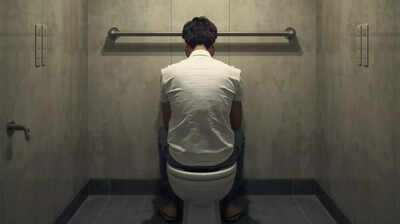
Traditional public toilets in Japan rely on posture and layout
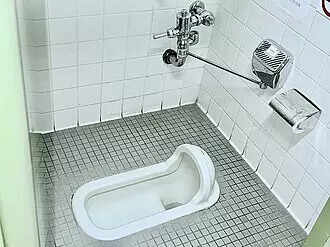
Traditional public toilets in Japan rely on posture and layout (Image Source - Wikipedia)
Cleanliness matters in shared spaces
Posture supports the body as well
Privacy is shaped by orientation
Sound and etiquette sit alongside function
Modern toilets have not erased older habits

About the AuthorTOI Lifestyle Desk
End of Article
Follow Us On Social Media
Health +
Tired of too many ads?go ad free now
lifestyle videos
Featured In Lifestyle

Tired of too many ads?go ad free now



MORE FROM ETIMES
life & styleHot on the Web
Dhurandhar 2 The RevengeAR RahmanDiabetesSanjay BangarValentine Week 2026Akashdeep SaigalAmitabh BachchanR MadhavanGovindaLady Gaga QuoteCelina JaitlyThe 50 Contestants ListGeorge OrwellYami GautamMardaani 3 Box Office CollectionProject PanamaFake FriendsHoney IraniDhanushBorder 2 CollectionUnique Residential BuildingsWilliam Wordsworth QuoteBorder 2 Movie ReviewMumbai Metropolitan HotspotsBruce LeeRalph Waldo EmersonLease VS Rent AgreementFebruary 2026 Horoscope PredictionsFebruary Festivals 2026Dhurandhar Movie ReviewToday Gold Rate in ChennaiDelhi Weather TodayDelhi AQI TodayMumbai AQI TodayMaharashtra Public Holidays 2026Elon MuskAnthropic AiChina To Ban Hidden Car Door HandlesKorean Gaming App AddictionMark ZuckerbergGhaziabad Sisters Suicide
Trending Topics
Latest MoviesBollywood MoviesHollywood MoviesTamil Movies 2026Telugu Movies 2026Malayalam Movies 2026Kannada MoviesMarathi MoviesBengali Movies 2026Top Rated Movies 2026Best Hindi MoviesBest English MoviesBest Telugu MoviesBest Tamil MoviesBest Malayalam MoviesBest Kannada MoviesBest Bengali MoviesUpcoming Hindi MoviesBest Movies Of All TimeBest Hindi Movies of All TimeLatest English MoviesLatest Malayalam MoviesEnglish TV NewsTamil TV NewsTelugu TV NewsMalayalam TV NewsKannada TV NewsMovie ReviewsBhojpuri Cinema NewsGujarati Cinema News
Popular Categories
Viral NewsK Pop NewsWeb Series NewsAnime NewsUpcoming English MoviesUpcoming Tamil MoviesUpcoming Telugu MoviesUpcoming Malayalam MoviesUpcoming Kannada MoviesFashion TipsTravel NewsEntertainment NewsBollywood NewsTollywood NewsKollywood NewsMollywood NewsFood NewsLatest Hindi MoviesLatest Tamil MoviesParenting TipsHome RemediesWeight LossBeauty TipsParenting TipsHindi VideosHindi Video SongsBhojpuri Music VideosLatest Telugu MoviesBhojpuri Music VideoHindi TV News
Latest News
Singer Vineet Singh Hukmani creates unique Indian styled tribute to Michael Jackson ahead of upcoming biopicDavon Godchaux and Chanel Iman combined net worth: Breaking down the couples earningsQuote of the day by Robert De Niro: ‘A good plan today is better than a perfect plan tomorrow'Exclusive -Behzaad Khan Aka Waseem Niyazi of Seher Hone Ko Hai; says 'I took a couple of days to decide if I wanted to do another TV show'Art Basel Qatar opens in Doha: Breaks its own rules in the Gulf and the art world is watchingOpenAI is reportedly seeing exit of senior-level employees after CEO Sam Altman makes it compulsory to use…Who is Yugam Gera? 'Vada Pav girl' Chandrika Dixit’s husband at the centre of viral social media controversyAdopt ‘nation first’ approach: U'khand guv at Haridwar press meetUttarakhand's Auli to host Skiing Winter Carnival and National Winter Games from February 13–16‘Amaidhipadai’: Sathyaraj starrer set for a grand 4K re-release - ReportsMitch Evans reflects after wet and wild Miami E-Prix win: “We should figure out what we need to do in the dry, it’s bizarre”Sabrina Carpenter shifts focus after six Grammy snubs to Pringles Super Bowl adGoogle may have an 'India plan' to tackle H-1B visa restrictions“I'll take the fine for it” - Draymond Green’s Warriors journey may be reaching its final chapterFrom ‘fat tax’ to pay-to-pee: The strangest money ideas a famous airline boss ever pitchedCancer Horoscope Tomorrow, February 5, 2026: Something good is waking up, meet it halfway‘Kartavya’ FIRST look: Saif Ali Khan returns as cop after 8 years alongside Rasika Dugal and Sanjay Mishra in crime thrillerIs another repo rate cut on the table as RBI MPC meets? What to expect from Friday’s policy outcome