
- News
- Real Estate News
- From Carved Doors to Stone Floors: 7 timeless Indian design elements returning to modern homes and buildings
From Carved Doors to Stone Floors: 7 timeless Indian design elements returning to modern homes and buildings
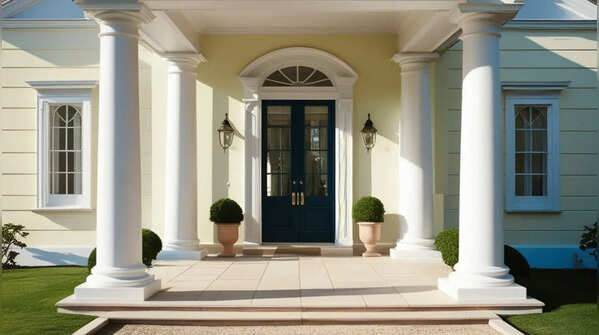
From Carved Doors to Stone Floors: 7 timeless Indian design elements returning to modern homes and buildings
Architectural design in India has always reflected a combination of aesthetics and functionality. In the past, houses and other structures were built not only to be aesthetically pleasing but also to consider factors like climate and people's lifestyles. In the present time when modern designs focus on minimalism, people are revisiting the traditional Indian architectural features which have come back in full force for many reasons.
Below are seven timeless Indian design elements reappearing in contemporary homes and buildings.
Image Credit: Canva
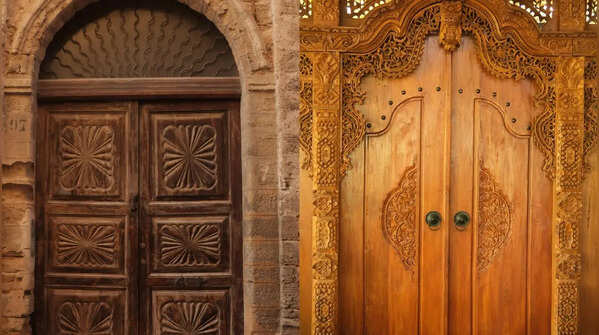
Carved wooden doors
Carved wooden doors were a common feature of traditional Indian homes as well as structures like temples and havelis. Made of tough wood types like teak, they featured designs such as floral motifs, images of gods, and geometrical designs. Today, carved wooden doors have returned, lending a touch of elegance and heritage to modern interior spaces that lack such features.
Image Credit: Canva
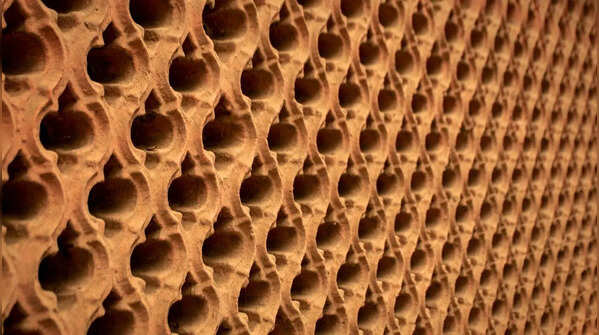
Jali (Lattice screens)
A Jali is a lattice-like screen made of stone or wood, famous for its beautiful designs. Historically, these were popular in Mughal and regional architectures, providing a good source of lighting and air circulation inside a structure. Today, jalis are finding application in new materials like metals and cement.
Image Credit: Canva
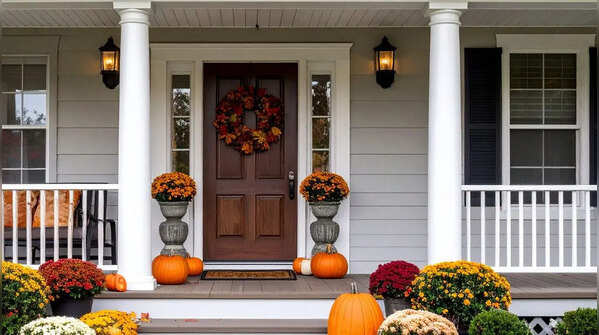
Decorative columns and pillars
Pillars and columns have been part of Indian architecture for a very long time, always adorned with carved mythological and natural designs. In contemporary houses, a simpler form of these pillars is used today to create an ornate effect.
Image Credit: Canva
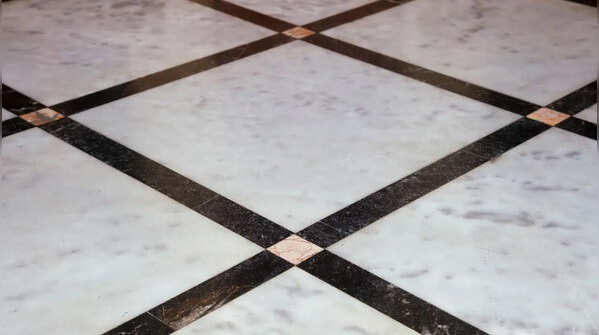
Stone flooring
Natural stone floors like Kota stone and marble, along with handcrafted Athangudi tiles, have become popular again due to their ability to withstand heavy use and maintain cool temperatures inside buildings. They provide both durability and cooling.
Image Credit: Canva
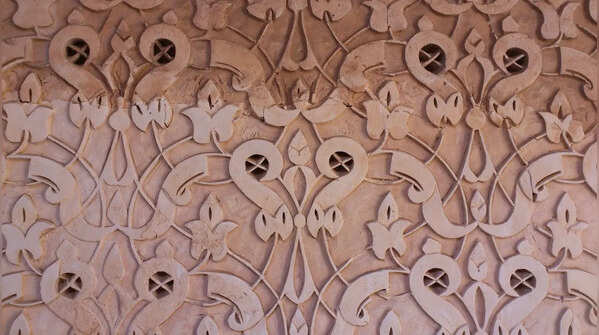
Ornamental motifs and wall carvings
Indian architecture had a unique characteristic: a profusion of patterns on the walls of buildings and structures. Floral, geometric, and mythological designs were some of the most common motifs seen on the wall carvings of ancient Indian buildings. Today, they have made a comeback through wall panels and ceiling carvings.
Image Credit: Canva
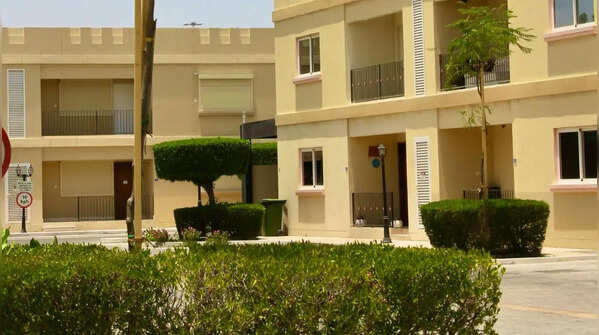
Courtyards (Aangan)
Traditionally, the aangan was a defining feature of Indian houses. It was used for lighting, cooling, and even entertainment purposes. The modern equivalent of a courtyard is seen through the creation of an atrium or an area within the building that has a skylight and provides air circulation.
Image Credit: Canva
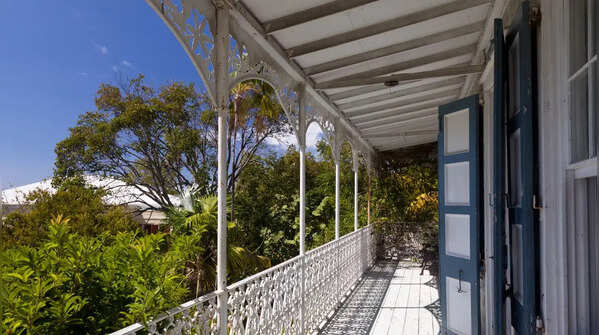
Verandahs and transitional spaces
Verandahs functioned as a buffer between indoor and outdoor spaces, offering shade and a place for social interaction. These semi-open areas helped regulate temperature and encouraged community living. Today, balconies, sit-outs, and shaded decks are inspired by traditional verandahs, blending comfort with climate-responsive design.
The emergence of Indian traditional design elements also indicates an increasing emphasis on sustainability, craftsmanship, and cultural significance. The use of carved doors, jalis, and stone flooring is not just about aesthetics but stems from years of wisdom accumulated through experience and knowledge passed down from generation to generation, continuing to inspire thoughtful, efficient, and culturally rooted architectural practices in modern times.
Image Credit: Canva
Featured In Real Estate

