
- News
- Sports News
- Whistle-blowing must become an absolute duty for all, says Brearley
Trending
This story is from December 21, 2011
Whistle-blowing must become an absolute duty for all, says Brearley
Aamer found a vehement supporter in Brearley, who acknowledged that the pressure put on young minds by corrupt and influential teammates is 'appalling'.
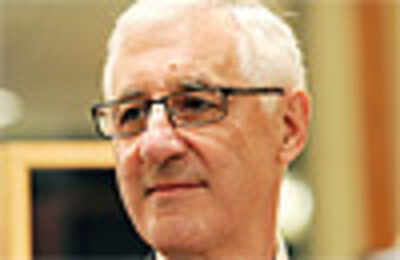
Aamer found a vehement supporter in Brearley, who acknowledged that the pressure put on young minds by corrupt and influential teammates is 'appalling'.
But what many don't know is the fact that he is a qualified psycho-analyst, psycho-therapist and also a motivational speaker. His book, 'The Art Of Captaincy', is a must-read for any leader from any walk of life and offers wonderful insights into human behaviour.
Former Aussie quick Rodney Hogg, not known for philanthropy when it comes to complimenting others, paid the ultimate tribute to Brearley's man-management skills and once famously said, "Brearley has a degree in people."
It is perhaps this ability to understand people that prompted Brearley to say that disgraced Pakistan teen pace sensation, Mohammad Aamer, deserves a little more leniency than the other accused in the 2010 spot-fixing scandal which also involved banned Pakistan captain Salman Butt and pacer Mohammed Asif.

Addressing the Raj Singh Dungarpur Voice Of Cricket Lecture at the World Cricket Summit in Mumbai on Monday night, Brearley pleaded with current players not to succumb to the sin of fixing, no matter what the temptation.
Stressing that cheating had become cricket's most important issue, he reckoned that the players and the powers that be should speak out vehemently against it. "Whistle-blowing must become an absolute duty for everyone in the game," he felt.
Brearley acknowledged that pressure put on young impressionable minds of cricketers like Aamer by senior players in the team or illegal bookies and players-agents with a criminal bent of mind, is what leads to those cricketers taking a bite of the forbidden fruit which leads to the ultimate 'fall'.
Aamer, who pleaded guilty to his involvement and is currently serving prison term in the UK, like his disgraced teammates Butt and Asif, found a vehement supporter in Brearley, who acknowledged that the pressure put on young minds by corrupt and influential teammates and agents is 'appalling'.
"As a result, some of those involved (read Aamer) might need to be treated with compassion, especially if they admit their guilt and are willing to be enlisted in the battle against corruption. Retributive justice, tempered with mercy, is vital in sentencing and punishing," he said.
Quoting generously from British novelist Ian McEwan's 2010 satire, 'Solar', Brearley said cricketers who fall prey to the fixing bug are like the novel's protagonist, Michael Beard, a jaded Nobel-winning physicist, whose cynical ambition sees him pursuing an unreal solution for a solar energy-based climate change.
Fearing that corruption might still be rampant in the game, the 69-year-old added: "I don't think the whole truth has been told yet, or can be told. Aamer, was subject to pressure and was, I believe, uninterested in any financial gain. He should have been, treated much more leniently."
End of Article
FOLLOW US ON SOCIAL MEDIA







Photostories

Top Sports News
TOP TRENDING
Popular Categories
Hot on the Web
Top Trends
Stock Market TodayBasit AliBrittany MahomesRavichandran AshwinBabar AzamKanpur Test Match RecordsUGC NET Result 2024Tirupati LadduIndia T20 WC SchedulePPF CalculatorBryonna Burrows Net WorthWomen T20 World Cup Points TableWomen T20 World Cup ScheduleIND vs PAK T20 WC MatchDiddyTop Management Colleges of IndiaLive Cricket Score
Trending Topics
GovindaNavratri Colours 2024Solar Eclipse 2024 TimesNavratri WishesGandhi Jayanti WishesDevara CollectionGOAT OTT ReleaseGandhi Jayanti 2024Rajinikanth Health UpdateNavratri HistoryDevaraGovinda NewsDevara Movie ReviewHealthy RaitasSwatantrya Veer SavarkarColdplay India tour 2025Upcoming Smartphones In OctoberAmazon SaleSony Bravia 55 inch 4k Ultra HD TVWordle Answer
Living and entertainment
Latest News
Happy Durga Puja 2024: Best messages, quotes, wishes, and images to share on Durga PujaAishwarya Majmudar and Hitu Kanodia light up Ahmedabad with electrifying Garba nightLadakh climate activist Sonam Wangchuk released from custody, to head to RajghatThe Amazing Spider-Man films starring Andrew Garfield now streaming for freeXionism In Lux: Why global luxury biz bosses will obsess over China’s communist bossManipur: Congress MP writes to Amit Shah for safe release of 2 'abducted Meitei youths'The Untold Story: Why Troy Aikman Almost Walked Away from the Dallas CowboysQualifier Yash upsets second seed Manish at Fenesta OpenAquarius, Daily Horoscope Today, October 03, 2024: Romantic life may experience a few bumps'Scam marathon' under JMM-Congress-RJD rule 'biggest obstacle' to Jharkhand's development: PM ModiPalak Sindhwani pens a heartfelt note as she wraps shooting for Taarak Mehta Ka Ooltah Chashmah, writes 'I reflect on the past five years filled with hard work, dedication, and perseverance'Population of Hindus & tribals declining in Jharkhand, says PM ModiChange Begins Here, as TOI shines a spotlight on hope and impactNasa switches off instrument on Voyager 2 spacecraft to save powerKTR reason for Naga-Samantha divorce, says Telangana minister; sparks rowVivek Ramaswamy to run for Ohio Governor? He says would 'consider' but ...Indian cinema has a rich legacy of storytelling: Rana DaggubatiAre 3 senior Karnataka mantris jockeying for chief minister's chair?
Copyright © 2024 Bennett, Coleman & Co. Ltd. All rights reserved. For reprint rights: Times Syndication Service