
- News
- Technology News
- Tech News
- From being a Facebook intern to leading its biggest rival: Who is TikTok CEO Shou Zi Chew
Trending
From being a Facebook intern to leading its biggest rival: Who is TikTok CEO Shou Zi Chew
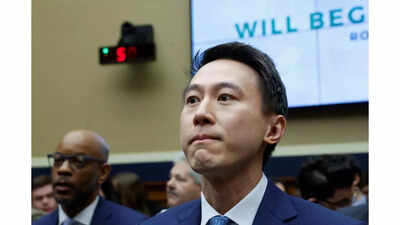
Shou Zi Chew, now TikTok's CEO and a rival to Meta's Mark Zuckerberg, once interned at Facebook. Chew's career spanned across major tech hubs before he took the helm at TikTok, which has surpassed one billion users globally. Zuckerberg's attempts to acquire TikTok's predecessor failed, and the platform now faces scrutiny over its Chinese ties.
Taking charge at TikTok
Mark Zuckerberg’s failed bid for TikTok

About the Author
TOI Tech DeskEnd of Article
Follow Us On Social Media










Photostories

Hot Picks
Top Trending
Explore Every Corner
Across The Globe
Martina NavratilovaDwyane Wade WifeDelhi Molestation Vasant KunjAryna SabalenkaTrump UN SpeechTaylor SwiftUS Visa Rules for StudentsJimmy Kimmel LiveAndre Agassi Net WorthIndia Squad Announcement Live UpdatesTyphoon RagasaSaudi National DayMarco RubioGavin NewsomShashi TharoorSL BhyrappaNew GST RateJP MorganH1B FeesCristiano RonaldoSaudi Flying CarsUAE Car ModificationSinkhole in BangkokDonald TrumpTravis HunterNew Zealand residency restrictionsKamala HarrisArizona Special ElectionsSocial SecurityLeh LadakhProtest
Hot on the Web
Ukrainian WomanBelly Fat Loss TipsHigh Blood PressureLizard Free Home TipsBengali Durga Puja Non Veg FoodThroat Cancer SymptomsBrain HealthChia vs Flax SeedsGut HealthProstate Cancer SymptomsLabrador Retriever Care TipsMagnesium SupplementsMemory Boost TricksNightmare Bacteria SymptomsKorean Hair PackH3N2 Flu SymptomsRajesh KeshavLongevity TipsLaila FaisalSaturn VisibilityMohanlalShah Rukh KhanRani MukerjiAkshay KumarAryan KhanParag TyagiOG Movie First ReviewVitamin D SupplementsJolly LLB 3 Box Office CollectionLiver Disease SymptomsElephant Safari National ParkAlmond Milk BenefitsAnupam MittalSnakes VS MongoosesMadagascar Elephant BirdHypertensionProstate Cancer SymptomsImportant Medical TestsLiver Failure SymptomsArtemis ii 2026Turmeric Face Mask
Trending Topics
Sanju SamsonMAH CET 2025IND vs PAK FinalWanindu HasarangaHaris RaufUKSSSC Paper Leak 2025BSEB Class 10 Board ExamDU NCWEB UG AdmissionsIndia vs BangladeshAbhishek SharmaR AshwinRRB NTPC NotificationH1B VisaNIOS Date SheetBihar Police SI RecruitmentArjun TendulkarAsia Cup Points TableAgniveer Vayu Intake 2 Admit CardSunil GavaskarBengaluru StabbingTamil Nadu RaggingZubeen GargBengaluru Potholes ProtestMaharashtra SuicideSwami Chaitanyananda SaraswatiDelhi MurderSL Bhyrappa DeathLeh ProtestDelhi Molestation CasePuja KhedkarXander SchauffeleWorld Oldest WomanJensen HuangGoldman Sachs GuidanceSam AltmanH 1B Visa FeeSudha MurtyElon MuskTech LayoffsErrol MuskWordle TodayNyt Connections Hints
Popular Categories
HeadlinesSports NewsBusiness NewsIndia NewsWorld NewsBollywood NewsHealth+ TipsIndian TV ShowsTechnologyTravelEtimesHealth & FitnessDelhi Gold Rate TodayNumerology Number 1 HoroscopeChinese Horoscope PredictionsAstrologyWeather TodayPlatinum Rate TodaySilver Rate TodayGold Rate TodayIs Bank open todayIs Bank Open TomorrowBank Holidays in SeptemberPublic Holidays in SeptemberStock Market HolidaysNFL ScheduleTechnology NewsInternational SportsPublic HolidaysBank Holidays
Trending Videos
Candid smiles, happy hearts, and loads of festive fun — that’s the Pujo vibe with @bibriti‘Domination Politics’: Colombian President Petro Blasts Trump’s Drug Policy In Fiery UN Speechsrijlaguha is all set for the festivities!Swastika Dutta takes a walk down memory lane, reliving the magic of Pujo momentsPujo memories remain forever golden for SwastikaWe had a wonderful shoot with the Consul General of Thailand in Kolkata at the bustling Mullick Royal Rift: Prince Harry’s U.K. Return Plan 'Strains Marriage' With Meghan Markle, Claims Insider'Both India, US-Based Firms Have Raised Concerns': Dhruva Jaishankar On H-1B Fee HikeBJP Office Torched In Leh Amid Ladakh Statehood Agitation, Police Vehicle BurntRagasa Strikes: Typhoon Batters Hong Kong, Slams China; 14 Killed In TaiwanJimmy Kimmel’s Emotional Return: Tears For Kirk, Shots At TrumpAnupam Kher Reveals Heartbreak When 'Saiyaara' Eclipsed 'Tanvi The Great'Hussain Talat on morale in Pakistan camp after Asia Cup Super 4s loss to IndiaShah Rukh Khan Wins Best Actor National Award For 'Jawan'; His Children Share 'Proud Moment''Let Him Rot...': Trump Furious After ABC Reinstated 'Not Funny' Jimmy Kimmel, Vows Legal Action$101 Billion in 1 Day: How Larry Ellison Became the World’s Richest Man ExplainedShaheen Afridi press conference: Hits back at Suryakumar Yadav, Haris Rauf controversy and tensionTrump Ridicules Modi & Jinping At UNGA, Blasts Them For 'Funding' Russia War | Watch
Latest News
Odisha government accelerates railway infrastructure development with new projectsHunar Hali to play the antagonist in Shashi and Sumeet Mittal’s new showMicah Parsons’ record-breaking Packers contract reshapes NFL linebacker marketConnor McDavid trade rumors heat up as analyst claims he would ‘hate’ joining the Toronto Maple LeafsEurope airports cyberattack: Man in 40s arrested in UK; disrupted airports in Heathrow, BerlinWhat is kuttu ka atta called in English? Know its health benefits and side effectsIndia-US trade deal: ‘Talks are happening at different levels’, says official; Piyush Goyal-led team expected to return this weekFrom H-1B rejections to O-1 triumph: How a Bengaluru tech professional secured the rare ‘Einstein visa’ with global achievements in AISelection criteria for 2026 Asian Games: Sports Ministry bans additional support staff even if govt. not billedWhy was Guardians hitter David Fry hospitalized during crucial win over Detroit TigersGlobal Chess League player draft on September 26; D Gukesh to headlineThis Khalistani terrorist stomped on Modi’s photo. Why does his arrest matter?BTS Jin’s alcohol brand under fire: Complaint filed for mislabeled product - ReportMutual funds scale Rs 75 lakh crore AUM: Share of passive funds has more than doubled - Here's all you need to know10 Healthy Chutneys for VratIRCTC hotel corruption case: Court to pronounce charge order on Oct 13; Lalu Prasad and family directed to appear in personNCT's Doyoung opens up about going solo, experiencing new things in his career, and more - ReportUnion cabinet approves phase-III medical expansion: Over 10,000 new MBBS and PG seats to boost India’s healthcare capacity
Copyright © 2025 Bennett, Coleman & Co. Ltd. All rights reserved. For reprint rights: Times Syndication Service