
- News
- Technology News
- Tech Tips News
- 8 smartphone charging mistakes that you should stop doing right now
Trending
8 smartphone charging mistakes that you should stop doing right now
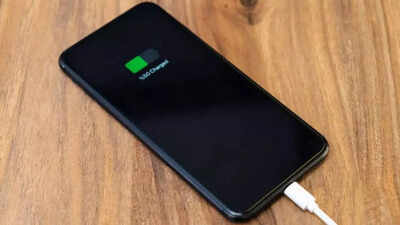
Smartphone batteries degrade naturally, but smart charging habits can significantly slow aging. Avoid full 0-100% cycles, overnight charging, and heavy use while plugged in. Keeping your phone cool, limiting fast charging, and using certified accessories are crucial. These simple tips ensure longer battery life and consistent performance for your device.
1. Avoid complete charging cycles
Why is partial charging better
2. Don’t charge your phone overnight
Why it matters
- Continuous charging increases heat buildup.
- The battery remains at a high voltage, which can speed up degradation.
- Phones cycle small portions of the battery overnight, creating mini charge cycles that add up over time.
3. Avoid charging while gaming or streaming
What happens during parasitic load
4. Keep your phone cool
Ideal temperature ranges
5. Limit use of fast charging
Tips for safe fast charging
- Use fast charging only when needed.
- For daily charging, switch to a slower charger if possible.
- Avoid charging from 0% to 100% using high-wattage adapters.
- Keep your phone on a flat, hard surface to help dissipate heat.
6. Store your phone properly
Best storage practices
7. Use trusted accessories
8. Calibrate your battery occasionally
- Charge your phone to 100% and keep it plugged in for two hours.
- Use it until the battery drains completely.
- Recharge to 100% again without interruption.
Key things to remember

About the AuthorTOI Tech Desk
End of Article
Follow Us On Social Media

Hot Picks
Top Trending
Tired of too many ads?go ad free now
Trending Stories
In Section
Entire Website
- Ford CEO says: We are in deep trouble when you compare us to China, because …
- Oppo A6x 5G launched with 6,500mAh battery, MediaTek Dimensity 6300 SoC: Price in India, specs and more
- Jeff Bezos’ wife Lauren Sánchez on big decision they have taken about family's wealth; says: Will give more than $100 million to …
- Bernie Sanders has a bankruptcy warning for 5 lakh plus Americans
- Google's Gemini forces OpenAI CEO Sam Altman send 'Code Red' warning to employees, two years after ChatGPT did same to Google
- Free version of ChatGPT, as it is right now, may be coming to an end soon
- Mark Zuckerberg's Instagram orders employees to return to office 5 days a week; says: We don't want you to spend your time on…
- American venture capitalist Garry Tan says Zoho will 'perish'; founder Sridhar Vembu hits back; says: Let me make a bet that…
- When ChatGPT made Japan's second-richest man Softbank CEO Masayoshi Son 'cry'
- NYT Connections today’s hints and answers (#905) for 02 December 2025
- Cardi B and Stefon Diggs look so in love as they celebrate his birthday on Instagram
- MLB trade rumors: Chicago Cubs predicted to land $400 million Detroit Tiger Cy Young Winner in blockbuster deal
- While Drake Maye preps quietly for Giants, wife Ann’s viral gym photo brings unexpected buzz to Patriots fans
- Shedeur Sanders’ mom shows off proud mama style in unforgettable glam game-day look
- Donald Trump’s flashy golf moment with Wayne Gretzky fuels debate over his claimed 38 championships
- DRDO Recruitment 2025: CEPTAM 11 notfication expected soon at drdo.gov.in; check eligibility, exam pattern and how to apply online
- NEET PG 2026 releases important notice on nationality change for NRI candidates: Check details here
- LRD result 2025: Gujarat Lok Raksha Dal result out at gprb.gujarat.gov.in; check UPC, APC, Jail Sepoy, SRPF cutoff and other details here
- Vaibhav Suryavanshi creates history, blasts record-breaking SMAT century
- These Guys Deserve Better! Ex-selectors say Rohit Sharma and Virat Kohli must stop being put on trial
Tired of too many ads?go ad free now



Explore Every Corner
Across The Globe
DRDO RecruitmentLeon DraisaitlMadison BeerGlenn MaxwellAuston MatthewTemba BavumaVaibhav SuryavanshiMLB Trade RumorsShedeur SandersDrake MayeIND vs SA 2nd ODISaudi Russia VisaGianni Infantino Net WorthCyclone DitwahSunjay Kapoor Asset CaseLudhiana FiringCyclone Ditwah NewsIPL Auction Players ListCISF Tradesman Admit CardRic FlairIndigo Bomb ThreatLawrence BishnoiSanchar Saathi AppOICL AO Scale-I recruitmentMark AndrewsDonald TrumpNEET PG 2026Imran KhanHamza AlbarT20 World Cup Schedule
Hot on the Web
Kidney DamageNelson MandelaNelson Mandela QuotesRanveer SinghRice For SkinShhyamali DeSamantha Ruth Prabhu WeddingMorgan FreemanAttract Good LuckBlood PressureJapanese TechniquesTere Ishk Mein CollectionRed DrinksConstipation ReliefSamantha Ruth Prabhu MehendiSamantha Ruth PrabhuRaj NidimoruBlood Circulation In LegKidney DiseaseKidney HealthParentingGustaakh Ishq Box Office CollectionThe Family Man Season 3 ReviewBhagavad Gita LessonsRaj Nidimoru Net WorthTere Ishk Mein Movie ReviewNaga ChaitanyaType 2 Diabetes PreventionHema MaliniNelson MandelaElephant Safari National ParkOvernight Habits That Affect HealthLiver Failure Warning SignsCucumber Vs ZucchiniEarly Signs Of Mouth CancerLargest Ant In The WorldWarning Signs Of Kidney DamageColours That Attract SharksBenefits Of Boiling Sweet PotatoesFatty Liver SignsDrinks That Harm Your Kidney
Trending Topics
RMS CET Admit Card 2025RRB JE Recruitment 2025Anthony DavisAsmongoldBrandon Carlo InjurySSC Constable GD Recruitment 2025Artemi PanarinUP Police Constable Recruitment 2025Anthony DavisChris TanevSteveWillDoItBryan RustStefon DiggsAmon Ra St Brown InjuryMilwaukee Bucks vs Washington WizardsIndia Post Parcel ThrownICSI CS ExecutiveIndigo Bomb ThreatSelena GomezSunjay Kapur Property RowCyclone DitwahCyclone Ditwah NewsT20 World CupNishant Agarwal ArrestedChennai Metro StoppedVibha DeviSambhal Headmaster Heart AttackMadhya Pradesh Bridge CollapseRohit SharmaMP AYUSH NEET UG counsellingTravis KelceBasketball Zero CodesMark CubanAndy JassyBill GatesNYT ConnectionsNyt StrandsThe Forge CodesElon MuskVivo X300Clear Gmail StorageAmar Subramanya
Popular Categories
HeadlinesSports NewsBusiness NewsIndia NewsWorld NewsBollywood NewsHealth+ TipsIndian TV ShowsTechnologyTravelEtimesHealth & FitnessDelhi Gold Rate TodayNumerology Number 1 HoroscopeChinese Horoscope PredictionsAstrologyWeather TodayPlatinum Rate TodaySilver Rate TodayGold Rate TodayIs Bank open todayIs Bank Open TomorrowBank Holidays in NovemberPublic Holidays in NovemberStock Market HolidaysNFL ScheduleTechnology NewsInternational SportsPublic HolidaysBank Holidays
Trending Videos
Pakistan's Adiala Jail To Open Gate To Imran Khan's Sister After PTI Fury Forces Sharif, MunirJaipur Headlines Today — The Biggest Updates You Need to Know.Russia Confirms Su-57 Fighter Jets, S-400 Deal On Agenda Ahead of Vladimir Putin’s India VisitPope Leo XIV's 2020 Beirut Blast Site Prayer Reduces Victims' Families To TearsHarshit Rana press conference: On social media trolls, outside noise, Virat Kohli and Rohit SharmaMusic World Shocked As Travis Barker Collaborator POORSTACY Found Dead At HotelCapt Shubhanshu Shares What India Can Learn from ISS SuccessesKremlin Praises PM Modi’s Ukraine Approach, Calls India A Trusted Partner Ahead of Putin's Key VisitSri Lanka Races to Find Hundreds Missing as Regional Flood Death Toll Surges Past 1,200Chennai Headlines Today — The Biggest Updates You Need to Know.First Lady’s Festive Decor Hints at Secrets, Melania Drops Cryptic Clues About MarriageSnowstorm Targets Northeast As U.S' Midwest Grapples With I-70 Freeze & Post-Holiday Travel ChaosWhat Naga Chaitanya Posted On Ex Wife Samantha's Wedding Day?Goa Headlines Today — The Biggest Updates You Need to KnowSonu Nigam Shares A Warm Hug with Sunny & Bobby Deol At Dharmendra Prayer Meet!Ram Gopal Varma Defends His 'Thunder Thighs' Remark About Sridevi!IDF Detonates Home Of Palestinian Accused In February Bombing During Nablus OperationKristi Noem Goes Nuclear, Seeks 'Travel Ban' On All Killer Migrants Coming From 'Every Damn Country'
Latest News
Ro-Ko mania hits Raipur! Virat Kohli goes big, Rohit Sharma takes notes - WATCHTop 5 US colleges for long-term career success, according to LinkedIn’s 2025 rankingsCBSE recruitment 2025-26: Notification released for 124 Group A, B, C posts; apply here'Chor ki daadhi mein tinka': BJP defends Sanchar Saathi app; attacks Congress over privacy row‘Dubai is the only place Indians respect the law’: Andrew Tate draws flak for targeted comment on social mediaJeff Bezos’ wife Lauren Sánchez on big decision they have taken about family's wealth; says: Will give more than $100 million to …'My brother is alive but being mentally tortured': Imran Khan's sister after jail visit; ex-PM blames Asim MunirSensex, Nifty at lifetime highs: Where are Indian markets headed in 2026 & will they outperform gold & EMs? Here’s the outlookSidharth Malhotra reveals he was not supposed to debut with Karan Johar's 'Student Of The Year'; here's what happened to his first filmGoogle co-founder Sergey Brin’s ex-wife Nicole Shanahan claims Silicon Valley ‘tech wives’ were used to fund hidden agendasNeha Sharma questioned by ED in connection with money laundering case linked to betting app - Report'Mana Shankara Vara Prasad Garu' song: First look at Chiranjeevi and Venkatesh's mass single is hereMadison Beer turns Chargers’ victory into a birthday celebration for her mom as Justin Herbert powers through injuryAmy Schumer’s dramatic weight loss: The syndrome that triggered her to lose 50 pounds‘Maxton Hall- The World Between Us’ Season 3 wraps up filming, teases epic finale for Ruby and JamesNHL Brandon Carlo Injury Update: Toronto Maple Leafs defender sidelined after recovery setbackElon Musk urges Nikhil Kamath to have kids as he warns humanity is heading into dangerous decline: “You won’t regret it…”This journey is as much about cinema, as about finding myself again: Anubhav Sinha
Copyright © 2025 Bennett, Coleman & Co. Ltd. All rights reserved. For reprint rights: Times Syndication Service