6 nations where companies can’t disturb staff after work hours


 Credit: iStock Credit: iStock |
01
6 nations where companies can’t disturb staff after work hours
The modern workforce landscape is evolving, with an increasing focus on achieving a healthier work-life balance. In several countries, there is a growing recognition of the importance of allowing employees to disconnect after work hours, fostering mental well-being and overall job satisfaction. Here are six countries where laws are strict, and companies are actively promoting a culture that respects staff's personal time and prevents disturbances after the workday ends.
 Credit: iStock Credit: iStock |
02
France
France has been a trailblazer in the pursuit of work-life balance. In 2017, the country introduced the ‘right to disconnect’ law, which mandates that companies with more than 50 employees negotiate policies with their staff on the use of digital devices outside of working hours. This legislation aims to reduce stress and burnout by establishing clear boundaries between professional and personal life.
 Credit: iStock Credit: iStock |
03
Australia
Australia is enacting new legislation to prohibit employers from reaching out to their employees beyond their designated working hours. The "right to disconnect" bill grants workers the freedom to disregard texts, calls, and emails during their off-duty hours without facing any penalties.
 Credit: iStock Credit: iStock |
04
Spain
Spain has been actively making strides in promoting the ideal work-life balance by dedicating itself to the establishment of more reasonable working hours. In 2021, Spain introduced the right to disconnect law, granting employees the freedom to abstain from responding to work-related communications beyond their specified working hours. This measure is geared towards improving the mental health and overall well-being of workers.
 Credit: iStock Credit: iStock |
05
Portugal
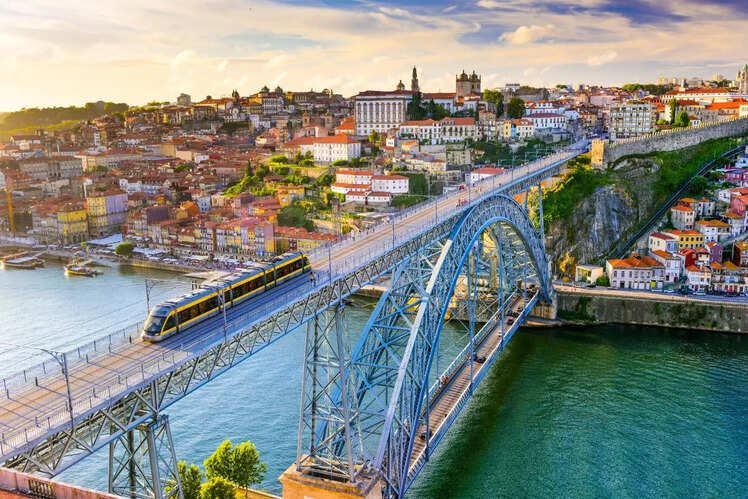
In the year 2020, Portugal enacted the right to disconnect legislation, establishing that companies with a workforce exceeding 10 employees could be penalized for reaching out to their staff beyond the standard work hours. This law affords employees the privilege to completely detach from digital work-related communications, encompassing emails and text messages. The enactment of this law coincided with the COVID-19 pandemic, during which remote work became prevalent, leading to prolonged working hours for individuals.
 Credit: iStock Credit: iStock |
06
Belgium
In 2018, Belgium extended the right to disconnect to its public sector employees, contributing to an improved overall work-life balance. Subsequently, reports indicate that this regulation was later expanded to encompass the private sector as well. According to a report by Ius Laboris, as of April 1, 2023, Belgian employers in the private sector with 20 or more employees must incorporate the right to disconnect into collective bargaining agreements or work rules. This right applies to employees across all categories in Belgium.
 Credit: iStock Credit: iStock |
07
Ireland
In 2018, Ireland took a stand against the pervasive digital connectivity that can adversely affect employees' long-term mental health by introducing the right to disconnect law. This legislation enables workers to take a comprehensive break and undergo a digital detox from work, contributing significantly to their overall well-being.
Visual Stories
Right arrow
Travel
10 pretty Indian villages to visit this year-end

Travel
8 castles in Germany straight out of a fairy-tale

Travel
8 tiger reserves every wildlife enthusiast should visit in India

Travel
10 animals that are easily spotted in Ranthambore National Park

Travel
How to prepare for a night safari in India?

Travel
9 rare animals to spot in the Western Ghats and where to find them

Travel
10 must-visit Indian cities starting with the letter ‘V’

Travel
From tigers to caracals: Top destinations in Rajasthan to spot big cats

Travel
10 things to know before going on a tiger safari in Tadoba-Andheri Tiger Reserve

Travel
8 deadliest snakes that live in the forests of Amazon
Join Us On FacebookClose

closecomments

Be the first one to review.
We have sent you a verification email. To verify, just follow the link in the message
Trending Stories
Why travellers are paying more to feel fear, freedom and adrenaline; the rise of adventure tourism in India
Karnataka’s Dubare Elephant Camp tragedy: 5 rules to follow in the presence of wildlife
World's most culturally important rivers, and what they have in store for travellers
Siberia’s mysterious Indian village: Temples, bhajans, traditions - travellers can’t believe what they found at -40°C
Watch: Shocking video of a travel influencer washing underwear in a hotel coffee machine; 5 things in a hotel that can be dirtier than we think
What’s inside the deep, natural water slides of Snake Canyon in Oman; decoding the mystery
How old is the world's largest tree? 5 facts that inspire travellers to see it
IMD forecasts monsoon rain in these south Indian states, and severe heat in north: What travellers need to know
5 weekend getaways from Delhi under 500 km to escape the June heat
There are only 2 countries starting with ‘Z’ and why travellers should explore them



Comments (0)