New Year on different dates: Cultures that don’t celebrate January 1


 |
01
New Year on different dates: Cultures that don’t celebrate January 1
New Year is just round the corner, and people across the word are gearing up to welcome the new year in style. Plans are in place, resolutions are ready, and hopes are high that the new year treats them well. Meanwhile, there are numerous countries and cultures that celebrate New Year on different dates, and not on January 1, reflecting distinct traditions and calendars. These festivals are largely based on religious beliefs, agricultural cycles, or historical traditions. Continue reading and learn more about this.
 |
02
China
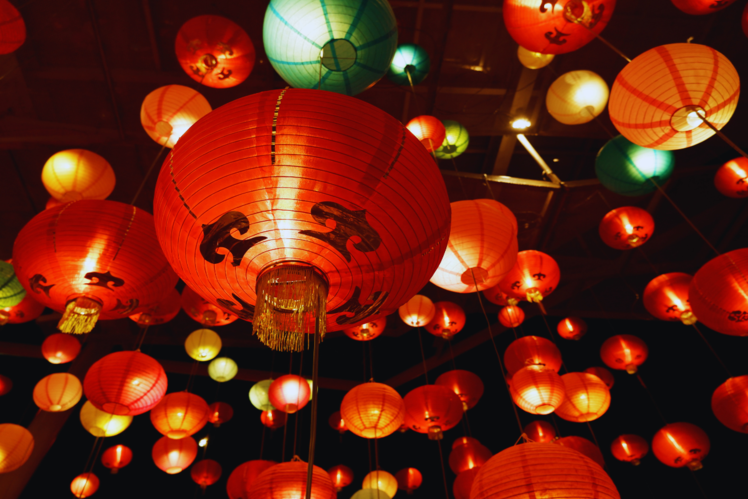
The Chinese Lunar New Year (also known as the Spring Festival) is one of the most well-known non-January 1 holidays. It often happens between late January and mid-February, depending on the lunar calendar. It is commemorated with colourful festivities such as family reunions, feasts, dragon and lion dances, and the distribution of red envelopes carrying money for good fortune. The festival lasts 15 days and culminates with the Lantern Festival.
 Credit: iStock Credit: iStock |
03
India
India’s New Year celebrations vary greatly across its regions due to cultural and religious diversity. For example:
Ugadi is celebrated in Karnataka and Andhra Pradesh as the start of the Hindu lunar calendar.
Gudi Padwa marks the New Year in Maharashtra.
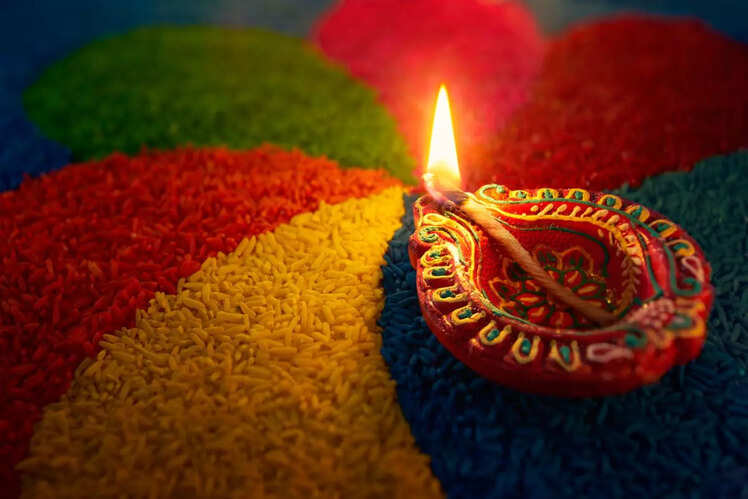
Diwali, the festival of lights, also serves as the New Year for Gujarati communities, based on the lunar calendar.
Each celebration involves rituals, feasts, and local customs, making India’s New Year festivities uniquely diverse.
 |
04
Vietnam
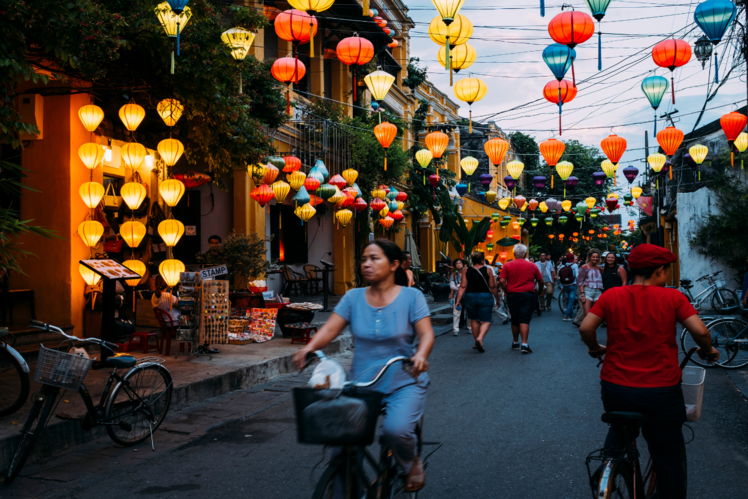
Tết Nguyên Đán, often known as Tết, is Vietnamese Lunar New Year. Tết, celebrated in late January or early February, signals the start of spring. This is a time for family reunions, ancestor worship, and traditional dishes such as bánh chưng (square sticky rice cakes). Peach blossoms and kumquat trees are popular home decorations.
 Credit: iStock Credit: iStock |
05
Bangladesh
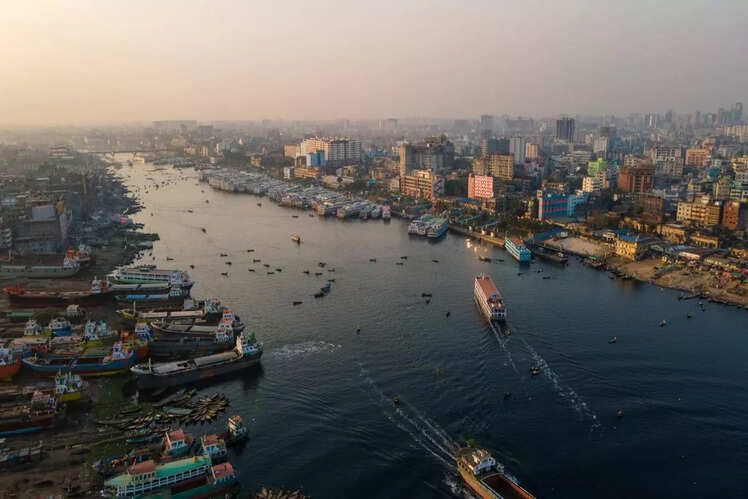
Pohela Boishakh, or Bengali New Year, is observed on April 14 or 15. It is rooted in agricultural customs and commemorates the beginning of the harvest season. The day is filled with vibrant processions, traditional music, and delicious panta bhat (fermented rice) and hilsa fish.
 Credit: iStock Credit: iStock |
06
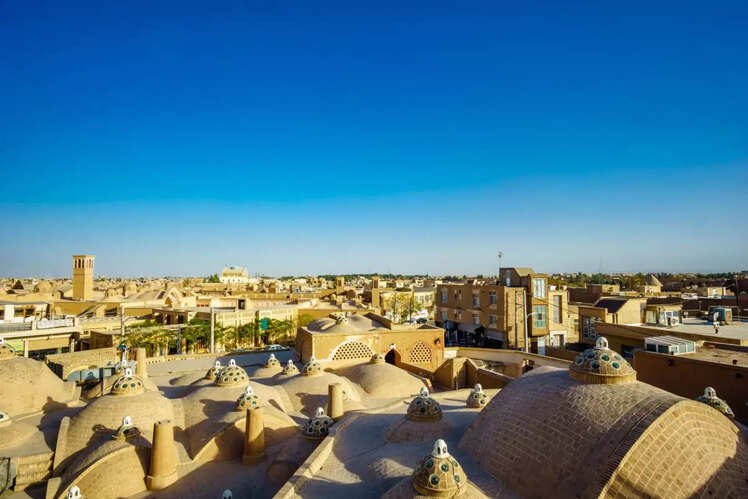
Iran
Nowruz (meaning "new day") is the Persian New Year, which occurs around the vernal equinox on March 21. Nowruz is based on Zoroastrian customs and includes rituals such as cleaning homes, setting up a "Haft-Seen" table with symbolic artefacts, and visiting friends and relatives. It's a time for regeneration and introspection.
 |
07
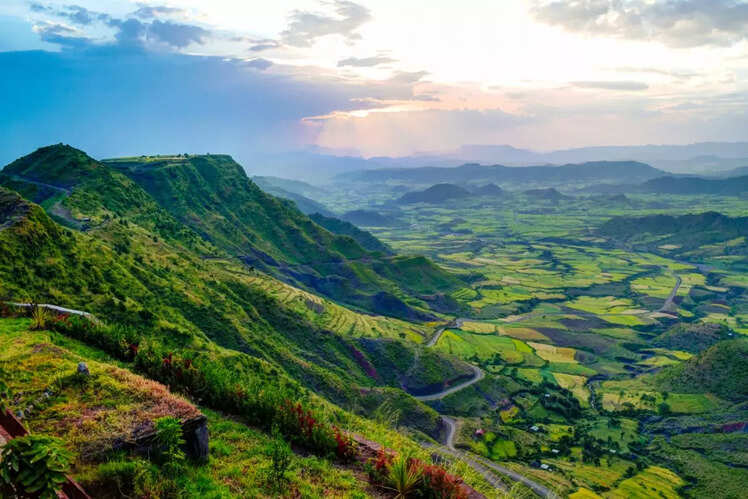
Ethiopia
Ethiopia follows the Ethiopian calendar, which is approximately seven years behind the Gregorian calendar. Their New Year, Enkutatash, is celebrated on September 11 (or 12, in leap years). It marks the end of the rainy season and is characterised by singing, dancing, and eating.
 Credit: iStock Credit: iStock |
08
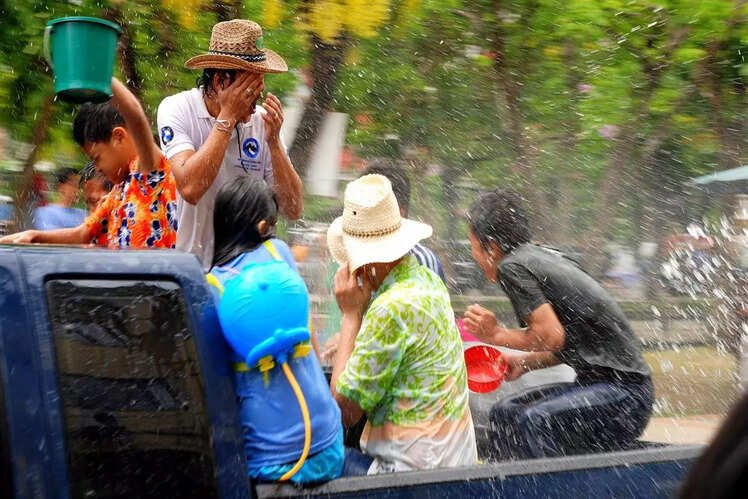
Thailand
Songkran, the Thai New Year, occurs from April 13 to 15. Known for its iconic water festival, locals and tourists alike participate in water fights to symbolize cleansing and renewal. Traditional activities include visiting temples and making merit.
 Credit: iStock Credit: iStock |
09
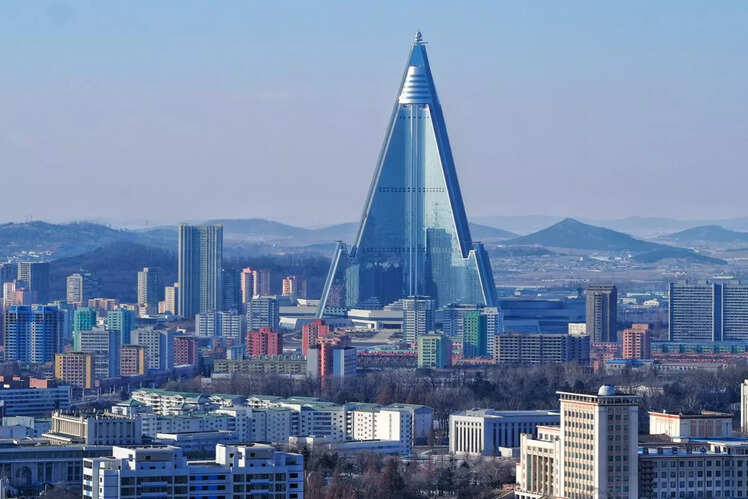
North and South Korea
Both North and South Korea celebrate Seollal, the Korean Lunar New Year, which usually falls in late January or early February. Families gather to honor ancestors through ceremonies, wear traditional hanbok, and enjoy dishes like tteokguk (rice cake soup), which symbolizes growing a year older.
Visual Stories
Right arrow

Travel
10 pretty Indian villages to visit this year-end

Travel
8 castles in Germany straight out of a fairy-tale
Travel
8 tiger reserves every wildlife enthusiast should visit in India
Travel
10 animals that are easily spotted in Ranthambore National Park

Travel
How to prepare for a night safari in India?

Travel
9 rare animals to spot in the Western Ghats and where to find them
Travel
10 must-visit Indian cities starting with the letter ‘V’
Travel
From tigers to caracals: Top destinations in Rajasthan to spot big cats
Travel
10 things to know before going on a tiger safari in Tadoba-Andheri Tiger Reserve

Travel
8 deadliest snakes that live in the forests of Amazon
Join Us On FacebookClose

closecomments

Be the first one to review.
We have sent you a verification email. To verify, just follow the link in the message
Trending Stories
Karnataka’s Dubare Elephant Camp tragedy: 5 rules to follow in the presence of wildlife
World's most culturally important rivers, and what they have in store for travellers
Siberia’s mysterious Indian village: Temples, bhajans, traditions - travellers can’t believe what they found at -40°C
Watch: Shocking video of a travel influencer washing underwear in a hotel coffee machine; 5 things in a hotel that can be dirtier than we think
What’s inside the deep, natural water slides of Snake Canyon in Oman; decoding the mystery
How old is the world's largest tree? 5 facts that inspire travellers to see it
IMD forecasts monsoon rain in these south Indian states, and severe heat in north: What travellers need to know
5 weekend getaways from Delhi under 500 km to escape the June heat
There are only 2 countries starting with ‘Z’ and why travellers should explore them
5 snake temples in India that attract thousands of devotees and curious travellers every year



Comments (0)