Devagiri or Daulatabad Fort
Devagiri or Daulatabad Fort
You're Reading


Synopsis
Built in the 12th century by the Yadava Dynasty, this fort city resides on the Hill of Gods or Devagiri in Marathi, hence the original name of Devagiri Fort. It changed hands twice in as many centuries since then from Yadavas to K … Read more
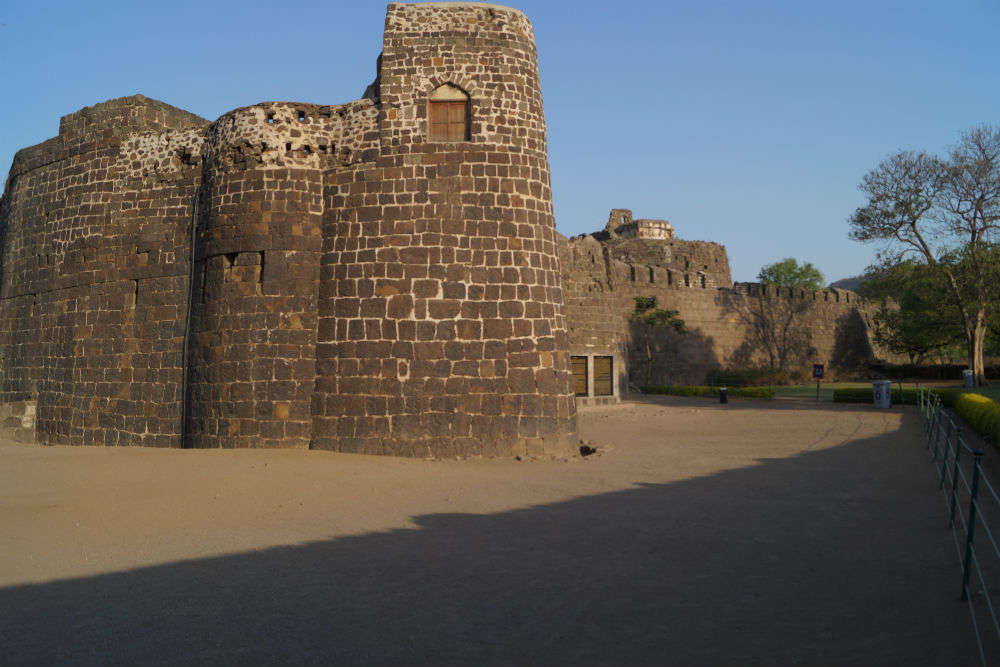 Built in the 12th century by the Yadava Dynasty, this fort city resides on the Hill of Gods or Devagiri in Marathi, hence the original name of Devagiri Fort. It changed hands twice in as many centuries since then from Yadavas to Khilji Dynasty and then to the Tughlak Dynasty. By early 14th century, Mohammed-bin-Tughlak moved his capital from Old Delhi to Devagiri and renamed it as Daulatabad or the City of Fortune or alternately the Abode of Wealth. In his zealous attempt, he ordered many people from his courts in Delhi to move to Devagiri too. Those who refused were tortured and forced to move or killed. This decision was, however short lived. Devagiri did not have enough water to support the functioning of a capital city and had to be abandoned. When the Tughlak king then moved the capital back to Old Delhi, many Muslims who had migrated from Delhi preferred to stay back in Devagiri, away from the tyrant. This is said to have given shape to the unique demography of the area. In later years, Mughal rulers found a fascination towards Devagiri Fort's unique military engineering, town planning and its palaces and made it their summer residence. The fort also came under the control of Marathas for a short period. As a fort city, the site covers a huge area and will require anywhere between a few hours to a full day, depending on your interest. It is situated about 20 km northwest from Aurangabad.

closecomments

Be the first one to review.
We have sent you a verification email. To verify, just follow the link in the message
end of article
Next story
Bhadra Maruti Temple
Visual Stories
10 pretty Indian villages to visit this year-end

8 castles in Germany straight out of a fairy-tale

8 tiger reserves every wildlife enthusiast should visit in India

10 animals that are easily spotted in Ranthambore National Park
How to prepare for a night safari in India?

9 rare animals to spot in the Western Ghats and where to find them


Trending Stories
Siberia’s mysterious Indian village: Temples, bhajans, traditions - travellers can’t believe what they found at -40°C
Watch: Shocking video of a travel influencer washing underwear in a hotel coffee machine; 5 things in a hotel that can be dirtier than we think
What’s inside the deep, natural water slides of Snake Canyon in Oman; decoding the mystery
How old is the world's largest tree? 5 facts that inspire travellers to see it
IMD forecasts monsoon rain in these south Indian states, and severe heat in north: What travellers need to know




Comments (0)