Kasuga Taisha Shrine
Kasuga Taisha Shrine
You're Reading


Synopsis
Built in 768 as an ancestral deity to the powerful Fujiwara house and restored several times over many centuries, the Kasuga Taisha Shrine is one of the most important Shinto Shrines in Japanese history. Seated in the centre of th … Read more
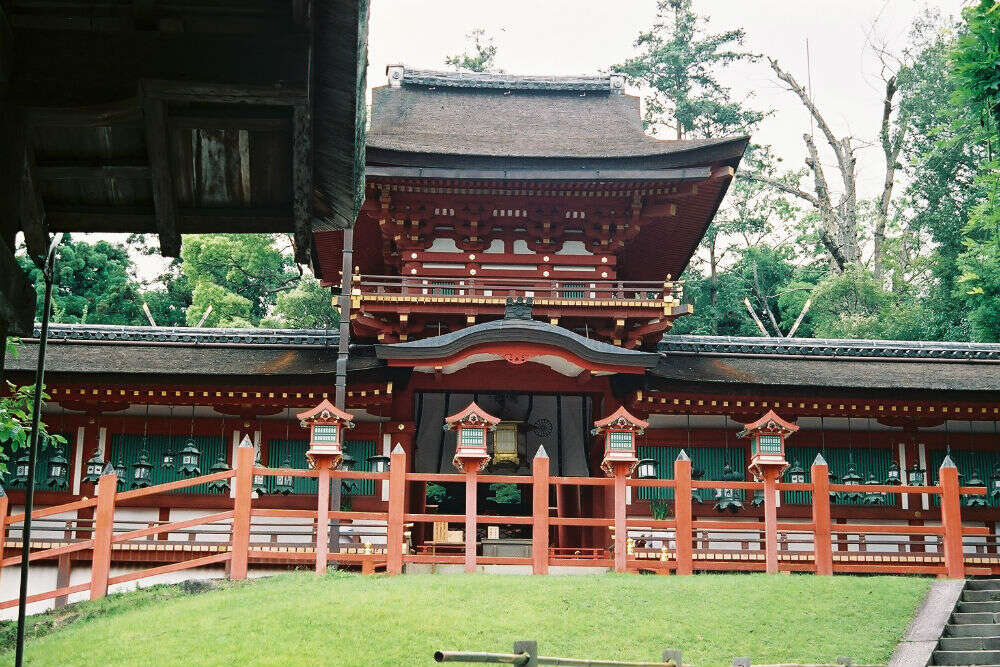
Built in 768 as an ancestral deity to the powerful Fujiwara house and restored several times over many centuries, the Kasuga Taisha Shrine is one of the most important Shinto Shrines in Japanese history. Seated in the centre of the beautiful lush wooded forest, the walk to the shrine is equally beautiful, lined by an astonishing number of old moss covered stone lanterns (about 2000 of them) on both the sides of the pathway. This walk leading to the building is followed up almost immediately by another astonishing sight that evokes a sense of amazement and awe: from the ceiling of the shrine are suspended a series of bronze lanterns arranged aesthetically, running its count in thousands.
To see the lanterns all lit up; try planning your visit in early February and mid August during the times of the Mantaro festival. Besides the lanterns, the shrine houses many buildings which can be checked out by ambling in the grounds - for free. Also roaming freely on the grounds are the extremely adorable and mostly docile deers of the Nara Park waiting to be fed with their favourite food of crackers. To enter the shrine however, you need to pay a fee which gives you a ticket to explore all the internal treasures of the shrine.

closecomments

Be the first one to review.
We have sent you a verification email. To verify, just follow the link in the message
end of article
Next story
Tea ceremony at the Jikoji Zen Temple
Visual Stories

10 pretty Indian villages to visit this year-end

8 castles in Germany straight out of a fairy-tale

8 tiger reserves every wildlife enthusiast should visit in India

10 animals that are easily spotted in Ranthambore National Park
How to prepare for a night safari in India?

9 rare animals to spot in the Western Ghats and where to find them



Trending Stories
5 weekend getaways from Delhi under 500 km to escape the June heat
There are only 2 countries starting with ‘Z’ and why travellers should explore them
5 snake temples in India that attract thousands of devotees and curious travellers every year
Kerala braces for more heavy rainfall as IMD issues yellow alert across several districts; what travellers need to know
10 birds with hilariously perverted names and where travellers can find them




Comments (0)