
- News
- lifestyle
- travel
- destinations
- 10 countries with the highest snake populations and what travellers must know before visiting
10 countries with the highest snake populations and what travellers must know before visiting
10 countries with the highest snake populations and what travellers must know before visiting
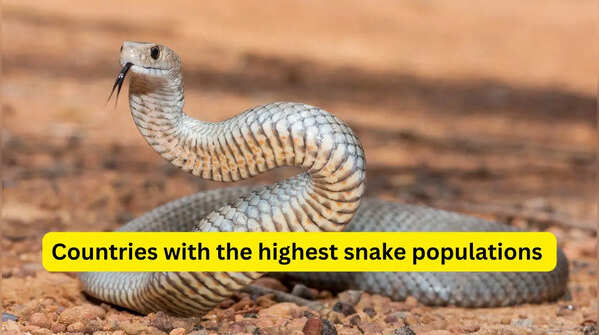
Travelling is an interesting hobby that takes people to unexplored places. Some places which are adventurous, dangerous and give people an edge. Snakes are among those creatures which attract adventurous souls from across the globe. As per the latest global biodiversity data and recent research from the Reptile Database and wildlife studies published up to 2024–2025, the world is home to over 4,100 known snake species. But new species are still being discovered in regions like the Amazon and South Asia. Snakes are elusive, exciting and attract offbeat travellers to their abodes.
One thing explorers must know is that most snakebites occur when humans try to handle snakes. So, it is important to know a few things:
What to do in an emergency
Stay calm
immobilise the affected limb
Do NOT cut, suck, or apply random ointment
Seek medical help, immediately
On this note, let’s have a look at 10 countries with the highest snake populations and what travellers should know before visiting them.
Mexico
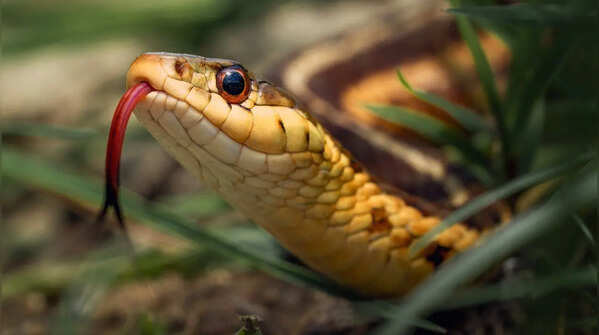
Mexico is considered one of the world’s major snake diversity hotspots, home to nearly 438 recorded snake species spread across deserts, tropical forests, mountain ranges, and coastal habitats. This extraordinary biodiversity draws researchers, reptile enthusiasts, and wildlife-focused travellers from across the globe who visit to observe these reptiles in the wild.
Where to spot them: The deserts of Baja California, the dense jungles of the Yucatán Peninsula, and the rugged Sierra Madre mountain ranges are among the country’s top regions for snake sightings.
Traveller tip: Travellers venturing into snake-rich parts of Mexico should exercise caution, particularly in arid regions such as Baja California where rattlesnakes are frequently encountered. Exploring with knowledgeable local guides is strongly advised, and sticking to marked trails is the safest approach.
Brazil
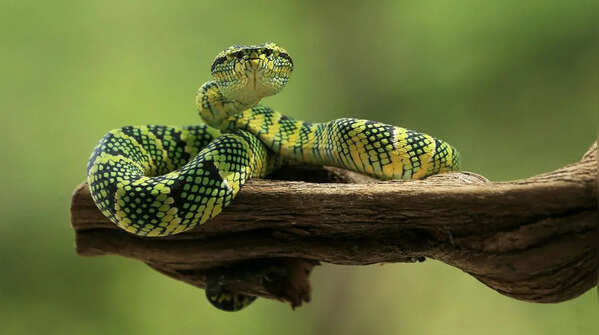
Brazil is a dream destination for snake enthusiasts, home to more than 420 species. The Amazon Rainforest stands out for its incredible biodiversity, making it one of the most snake-rich ecosystems in the world.
Where to spot: Amazon Rainforest, Pantanal, and riverbanks
Traveller tip: Wear sturdy boots and carry essential gear when exploring jungle areas. It’s best to avoid swimming in murky waters, as they may conceal large snakes such as anaconda.
Indonesia
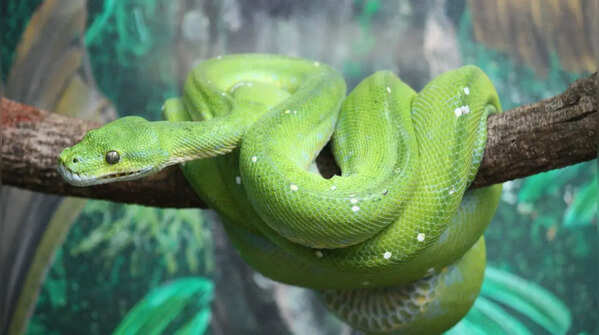
Indonesia is home to more than 376 snake species, including pythons and highly venomous sea snakes.
Where to spot: Bali’s jungle trails, the Komodo Islands, and coastal mangrove regions.
Traveller tip: Exercise extra caution around coastal waters and mangroves, as sea snakes are commonly found in these habitats.

India
India is home to over 300 snake species. This includes the “Big Four” which are responsible for most snakebite cases in the country. As per reports, the Common Krait (Bungarus caeruleus), the Russell's Viper (Daboia russelii), Saw-scaled Viper (Echis carinatus), and Spectacled Cobra (Naja naja), are the reason behind for more than 90 percent of snake bites in India.
Where to spot: Western Ghats, Sundarbans mangroves, and central Indian forests.
Traveller tip: Snake sightings are common during the monsoons. It is suggested to avoid walking barefoot in rural or forested areas.
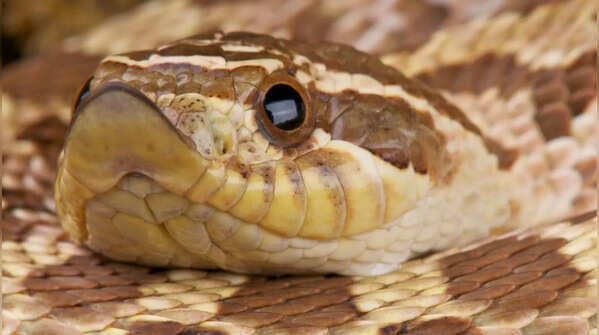
Colombia
Colombia is home to a stunning blend of rainforest and mountain ecosystems, making it a paradise for wildlife enthusiasts. The country is known for hosting over 300 species in its rich natural landscapes.
Where to spot them: The Amazon Basin, Chocó jungle, and the Andean foothills are among the best places for sightings.
Traveller tip: Exploring jungle regions is best done with experienced local guides, as many of these areas can be challenging and high-risk for visitors unfamiliar with the terrain.
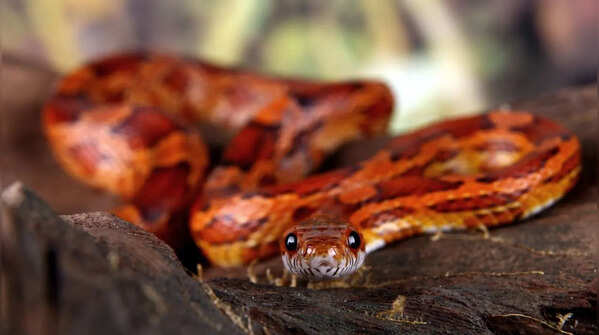
China
China is home to more than 246 snake species, with the greatest diversity found in its southern provinces.
Where to spot: Forests of Yunnan, the hills of Guangxi, and rural agricultural landscapes.
Traveller tip: Visitors should exercise extra caution in subtropical areas such as Yunnan and Guangxi, where snake diversity is particularly high.
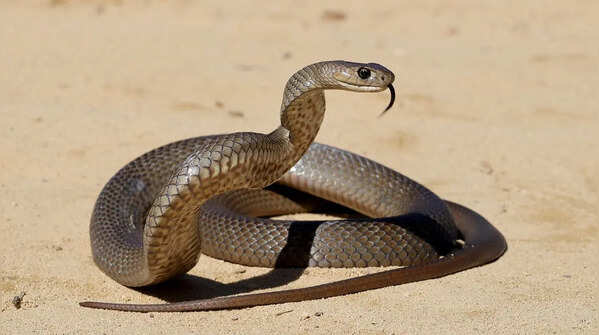
Ecuador
Ecuador might be small in size but is home to over 240 species, thanks to the Amazon and Andes.
Where to spot: Amazon rainforest lodges, cloud forests, and jungle trails.
Traveller tip: It is advised to keep a flashlight at night as many snakes here are nocturnal.

Vietnam
Vietnam’s forests which are mostly humid are home to more than 220 species, including cobras and pit vipers.
Where to spot: Mekong Delta, national parks, and dense forest reserves.
Traveller tip: Visitors are suggested to avoid dense vegetation. Also avoid placing hands blindly into bushes or tree hollows.
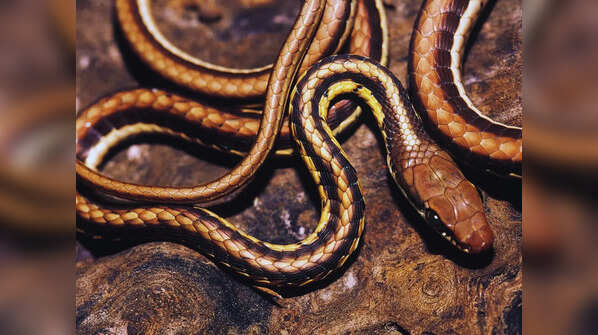
Malaysia
Malaysia is home to over 200 species of snakes, most of which can be spotted in rainforests and mangrove forests.
Where to spot: Taman Negara National Park, Borneo, and mangroves.
Traveller tip: Travellers are suggested to wear full clothes in national parks. Stay on designated trails and keep binoculars handy.
Australia
Australia is home to more than 200 species, including some of the most venomous snakes on Earth. The country also has an excellent emergency response system for snakebite incidents.
Where to spot: Outback regions, Queensland forests, and coastal scrublands.
Traveller tip: Always explore with locals who know the region and follow local safety signage.
Featured In lifestyle

MORE FROM ETIMES
life & style