
- News
- lifestyle
- travel
- destinations
- 10 unique sea snakes and places they can be found on beach by travellers
10 unique sea snakes and places they can be found on beach by travellers
10 unique sea snakes and places they can be found on beach by travellers
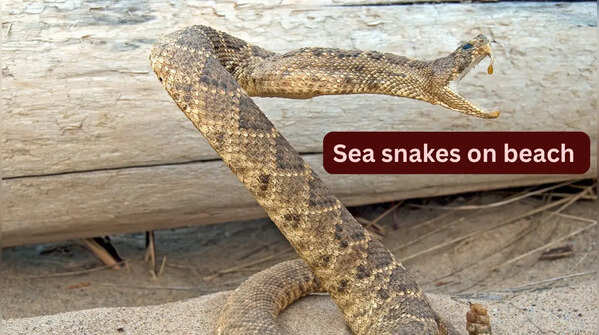
From the warm coastal waters around Australia and Southeast Asia to the pretty reefs of the Indo-Pacific, sea snakes rule the waters! There is no doubt that sea snakes are among the most mysterious reptiles living in the ocean. While most travellers think of beaches with views of colourful fish and jumping dolphins, some coastlines are also home to strikingly beautiful sea snakes. As per marine biologists, most sea snakes are not aggressive toward humans however, it is necessary for travellers to know that they should never attempt to touch them.
On this note, let’s have a look at 10 unique sea snakes travellers may encounter near beaches around the world.
(Canva)
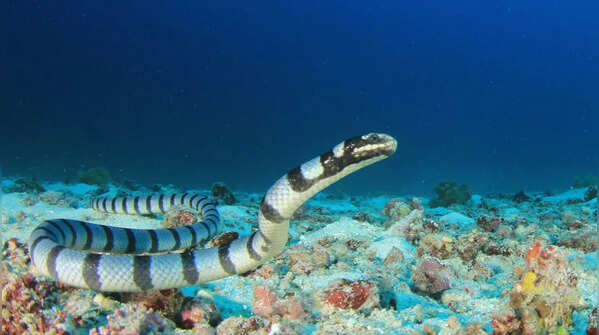
Banded Sea Krait – Bali, Thailand, Philippines
Banded Sea Krait is among the most common sea snakes in the world. These have dramatic black-and-white rings and a yellow snout and these frequently come onto land to rest or in search of or lay eggs. Travellers should remember that these are venomous but calm species and rarely bite humans.
Travellers often spot them around rocky beaches and coral reefs in places like Bali, Phuket, and the Philippines.
(Canva)
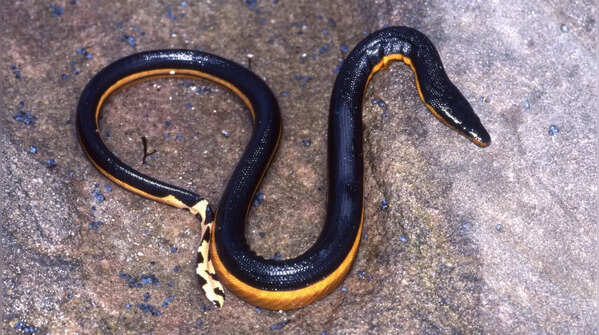
Yellow-Bellied Sea Snake – Costa Rica, Mexico, Indonesia, and parts of Australia
Not many must be aware of the fact that the yellow-bellied sea snake is among the few truly pelagic sea snakes, which means this species spends most of its life drifting in open ocean currents. You can identify it easily with a dark upper body and bright yellow underside.
Travellers can spot these near coastlines in Costa Rica, Mexico, Indonesia, and parts of Australia.
(Canva)
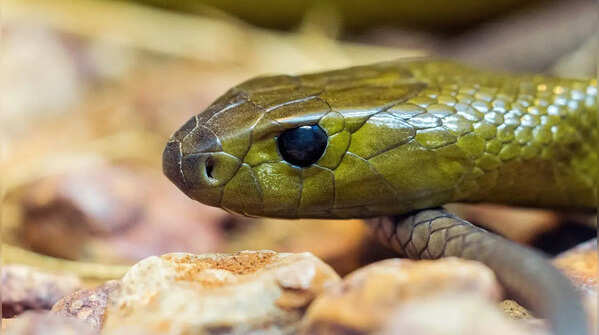
Olive Sea Snake – Great Barrier Reef, Australia
Olive Sea Snake is known for its smooth olive-brown colouration. The snake has a curious personality and is commonly seen around the Great Barrier Reef. Divers and snorkellers frequently encounter them gliding through coral gardens or surfacing near reefs.
These can be spotted in the Great Barrier Reef, Australia.
(Canva)
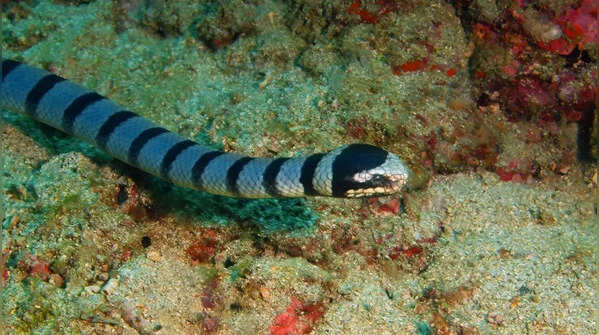
Beaked Sea Snake – India and Arabian Sea
The Beaked Sea Snake is one of the most widespread sea snakes in the Indian Ocean and can be easily spotted in shallow coastal waters, and fishing zones. These often get trapped in fishing nets.
Travellers in coastal India occasionally report sightings near beaches in Goa.
(Canva)
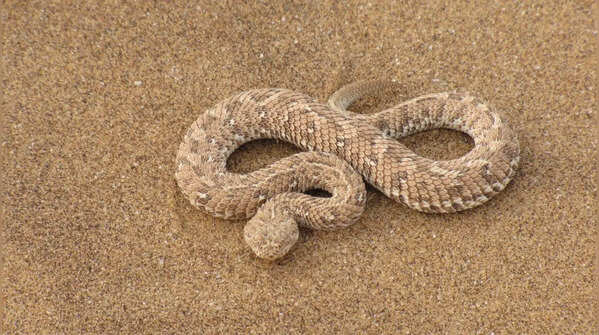
Dubois’ Sea Snake – Coral Sea, Australia
Dubois’ is also known as one of the most venomous sea snakes in the world. It lives in reefs and lagoons close to northern Australia and the Coral Sea. But the good thing is, encounters with humans are rare.
(Canva)
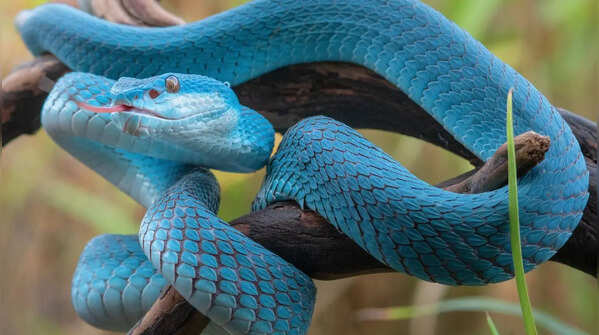
Blue-Lipped Sea Krait – Fiji and Pacific Islands
Blue-Lipped sea krait is a striking snake species known for its bluish bands. It is commonly spotted near coral beaches across the South Pacific.
Travellers visiting Fiji, Vanuatu, and New Caledonia often report encounters.
(Canva)
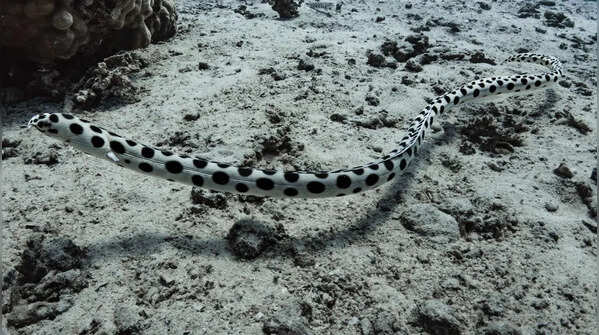
Olive-Headed Sea Snake – Northern Australia
The Olive-Headed Sea Snake is an extremely venomous marine reptile found in tropical waters across northern Australia. It looks absolutely beautiful underwater.
Snorkellers exploring reef systems near Queensland sometimes spot them.
(Canva)
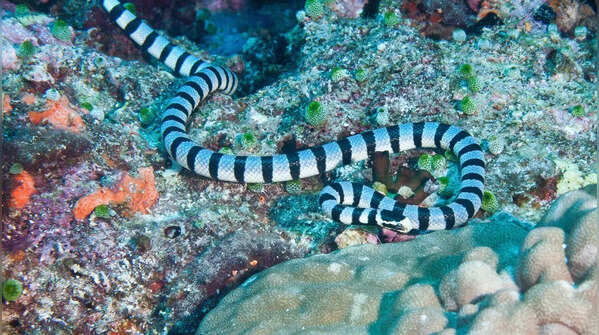
Belcher’s Sea Snake – Southeast Asian Waters
Belcher’s Sea Snake has extraordinarily toxic venom. But reported bites are exceptionally rare because the species is shy and rarely attacks humans.
Sightings have been reported from tropical waters around Indonesia, Malaysia, and nearby Southeast Asian coastlines.
(Canva)
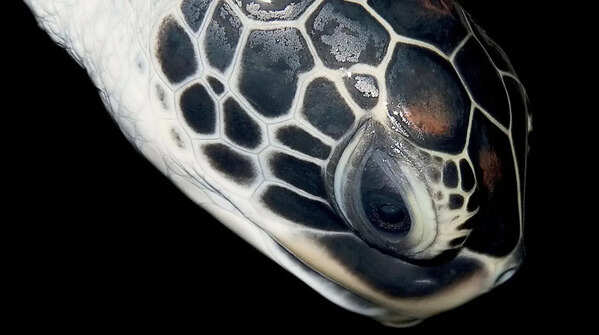
Turtle-Headed Sea Snake – Coral Reefs of Australia
The Turtle-Headed Sea Snake feeds mainly on fish eggs. It has a blunt head and smaller fangs compared to other species.
Travellers diving around the Great Barrier Reef occasionally spot them around coral reefs of Australia.
(Canva)
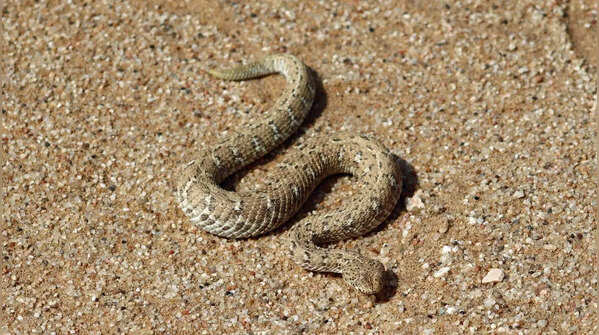
Annulated Sea Snake – Andaman and Southeast Asia
Annulated sea snakes are noted for their ring-like markings. They inhabit mangroves and shallow reefs across the Indo-Pacific. Beach travellers exploring the Andaman Islands or remote Southeast Asian islands have reported rare encounters.
(Canva)
Featured In lifestyle

MORE FROM ETIMES
life & style