
- News
- lifestyle
- travel
- things-to-do
- 10 weakest passports in the world in 2026; what limited visa-free access means for travellers
10 weakest passports in the world in 2026; what limited visa-free access means for travellers
10 weakest passports in the world in 2026; what limited visa-free access means for travellers
A passport is one of the most important travel documents which allows people to travel across the globe. However, beyond being a travel document, a passport also reflects how freely citizens of a country can move across the world. Every year, the Henley Passport Index ranks global passports based on the number of destinations holders can visit without obtaining a prior visa. According to the 2026 Henley Passport Index, the world’s weakest passports continue to belong largely to countries affected by conflict, economic instability and political upheaval.
On this note, let’s have a look at the 10 weakest passports of 2026 and what this ranking means for travellers.
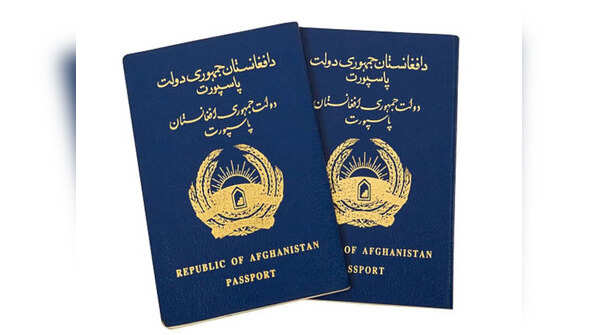
Afghanistan (Access to 24 nations)
Passport holders of Afghanistan can only access 24 nations without getting a prior visa. It is the weakest passport in the world in 2026. It is all because of years of war, political uncertainty, and difficult international relations. For travellers, this means a number of visas and paperwork, and long processing times. Also rejection rates for international travel is high.
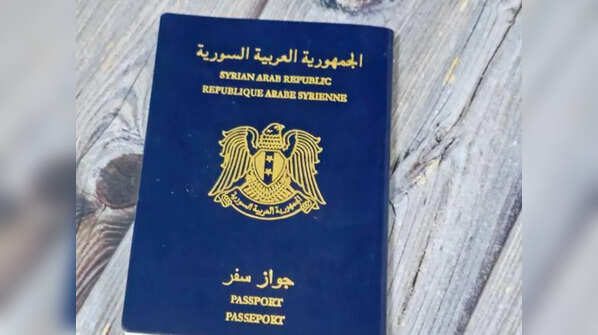
Syria (Access to 26 nations)
Syria is on the second spot on the list due to ongoing civil conflict and international sanctions. Syrian passport holders face significant restrictions across Europe, North America, and many Asian nations. Travellers from Syria often need to provide several documents to prove financial backup, sponsorship papers, and more.
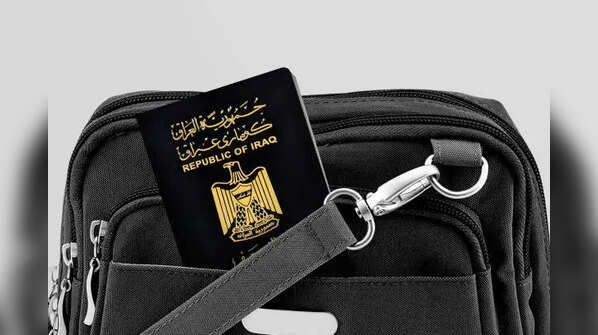
Iraq (Access to 29 nations)
Iraq’s passport remains among the weakest across the globe. The reason behind this is security concerns and political upheavals. This means travellers may face stricter immigration scrutiny and limited visa-free travel options.
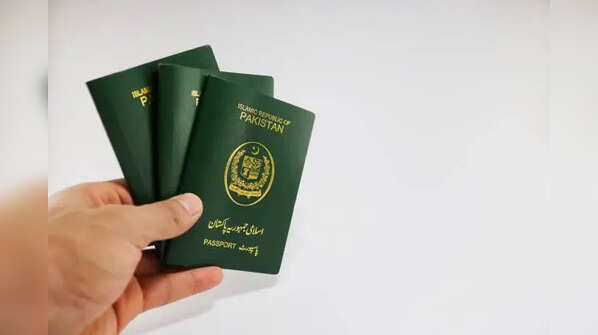
Pakistan (Access to 31 nations)
Pakistan also is among the weakest passports in 2026. Passport holders can only access 31 nations visa-free or visa-on-arrival. The reason is again political instability and security concerns, among others. For travellers, it is difficult to plan a spontaneous international trip.
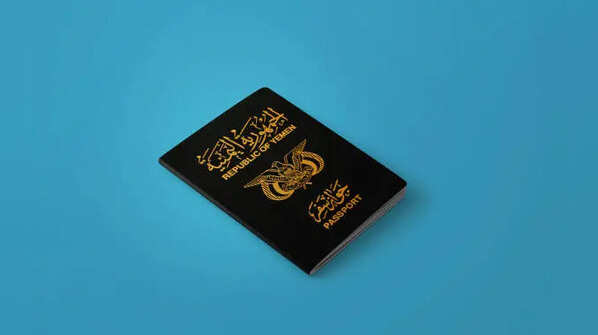
Yemen (Access to 31 nations)
Yemen has suffered from years of conflict. The humanitarian crisis has weakened the country’s global mobility ranking. Yemeni travellers face some serious barriers when it comes to obtaining visas for tourism or education or employment.
Somalia (Access to 33 nations)
Somalia’s weak passport ranking comes from years of political instability and limited diplomatic influence. Somali passport holders face several restrictions. For them, screening procedures while travelling internationally is also high.
Nepal (Access to 35 nations)
Despite being an international tourism magnet, Nepal’s passport remains the weakest globally. It is because of lower diplomatic reach and political upheaval, among several other reasons. For Nepali travellers, travelling internationally means high visa costs and long application processes.
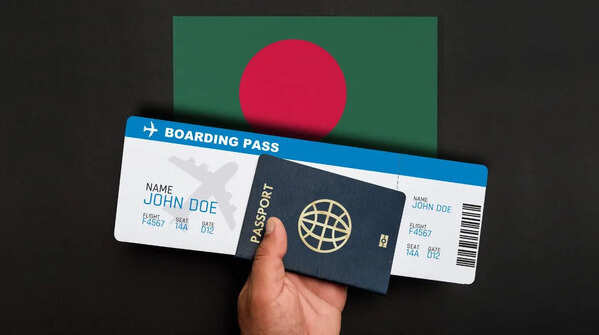
Bangladesh (Access to 37 nations)
Bangladesh continues to rank lower in global passport rankings. The country’s passport still offers limited visa-free access compared to stronger Asian passports. This affects travellers, students, and professionals looking to travel internationally.

Eritrea (Access to 38 nations)
Eritrea’s passport also ranked lower because of restricted diplomatic engagement and unstable political environment. Citizens often face tight immigration scrutiny and travel restrictions. International mobility remains challenging for tourism for travellers.

North Korea and Palestinian Territory (Access to 38 nations)
On the number 10th spot is North Korea and Palestinian Territory. The country’s rank low because of their isolationist policies and limited diplomatic relations. The citizens barely have freedom to travel. Travellers often experience severe restrictions while applying for international visas.
Featured In lifestyle

MORE FROM ETIMES
life & style