
- News
- lifestyle
- travel
- destinations
- Strangest discoveries in the world — and where to go see them
Strangest discoveries in the world — and where to go see them

Strangest discoveries in the world — and where to go see them
The world is a very interesting place, filled with sites that test our understanding of history, nature, and even our own capabilities. Yet, beyond the popular tourist sites and postcard-perfect scenery, there is a whole different, even more interesting, world of travel that is defined by some of the most unexpected, even bizarre, scientific and historical finds that continue to confuse even the best minds in the fields. What is perhaps even more interesting is that some of these sites are available for travelers to see today.
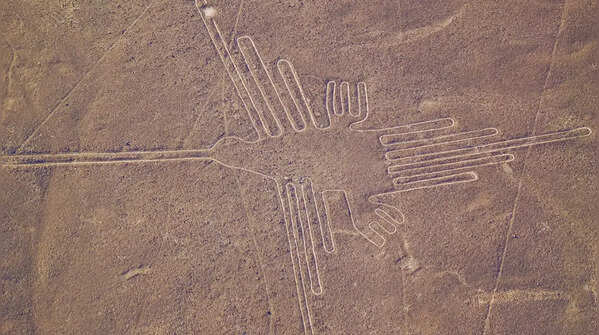
The Nazca Lines in Peru
The Nazca Lines, carved out on the arid desert plains of southern Peru, rank among the most enigmatic archaeological finds in history. These gigantic geoglyphs, produced between 500 BCE and 500 CE by the Nazca civilization, feature various animal and plant forms and geometric designs, with some measuring over 300 meters in length. What makes these geoglyphs peculiar is their scale and visibility. The geoglyphs can be appreciated from an aerial vantage point. This has given rise to various theories about their construction and purpose. However, none of these theories offers a complete solution to this enigma. Go on a small aircraft flight from Nazca or spot these geoglyphs from observation towers along the Pan-American Highway.

Göbekli Tepe in Turkey
Göbekli Tepe is considered to be the oldest known temple in the world and was built around 9600 BCE. This means that Göbekli Tepe was built before Stonehenge by about 5,000 years. This temple was discovered in the 20th century but was only appreciated in recent times. It is made of large stones placed in circular formations and has been carved with various animal shapes. However, what makes Göbekli Tepe strange is its construction timeline. It was built by hunter-gatherers before the development of agriculture. This defies previous beliefs that organized religions and monumental architecture developed after agriculture. Göbekli Tepe is near Şanlıurfa and is accessible for visitors.
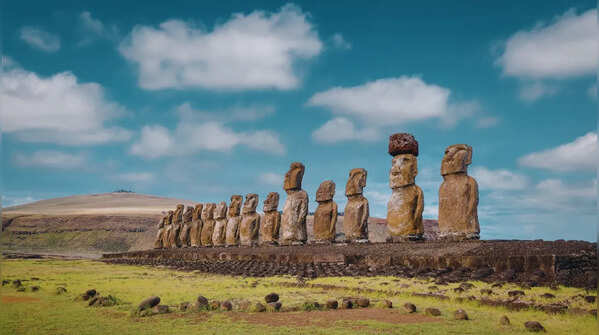
The Moai Statues of Easter Island in Chile
The famous Moai statues are located on a remote island called Rapa Nui. These are huge stone figures that were created by the early inhabitants of the island between 1250 and 1500 CE. Some of the Moai figures are over 10 meters tall and weigh up to 80 tonnes. The purpose of the Moai figures is well known; they were created to represent ancestral figures. The movement of the figures is also a marvel; they were moved around the island using a combination of ropes and creative skills that are still being studied. Fly to Easter Island from Santiago.

The Terracotta Army in China
The Terracotta Army was discovered in 1974 by local farmers and is considered one of the most astounding archaeological discoveries of the 20th century. This life-sized army of terracotta soldiers was buried near the tomb of China’s first emperor, Qin Shi Huang. Each of these soldiers is unique and has different facial features, hair styles, and expressions. The sheer number of soldiers, horses, and chariots indicates an unprecedented degree of craftsmanship and organization. The site of the Terracotta Army is located in the city of Xi’an and is one of the most popular tourist destinations.
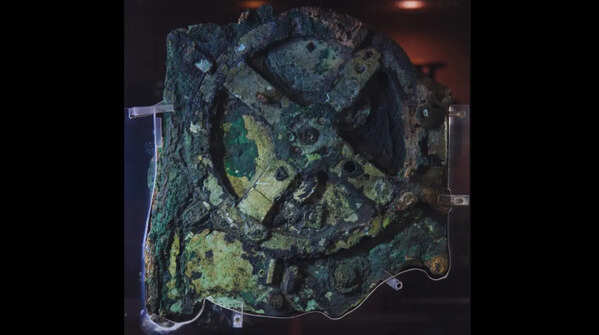
The Antikythera Mechanism in Greece
Photo credit: Wikimedia Commons CC 4.0 / Logg Tandy
This ancient computer, also known as the Antikythera Mechanism, was discovered in a shipwreck off the coast of the Greek island of Antikythera and is believed to have originated between 100 BCE and 100 CE. It is considered the first computer in the history of the world. What is odd about this computer is that nothing comparable was built for over a thousand years. The original computer is housed in Athens' National Archaeological Museum.

Derinkuyu Underground City in Turkey
Underneath the Cappadocia area is the Derinkuyu Underground City, a massive underground complex that could accommodate up to 20,000 individuals. The city was excavated deeply into soft volcanic rock and has areas for living quarters, storage space, ventilation tunnels, and even areas for worship. The origins of the city are unclear, but it was definitely used during the Byzantine period as a hiding place during invasions. The sheer magnitude and complexity of a city being built underground is one of the most unusual sights that can be found on Earth. It is now open for visitation; one may descend many stories underground to explore its tunnels.
Featured In lifestyle

MORE FROM ETIMES
life & style