Learn to tango
Learn to tango
You're Reading

Synopsis
Tango is believed to have its roots in the poor areas of Montevideo, the capital and largest city of Uruguay. In the Old City, about 150 years ago, the streets teemed with immigrant workers from Europe, freed slaves and fortune se … Read more
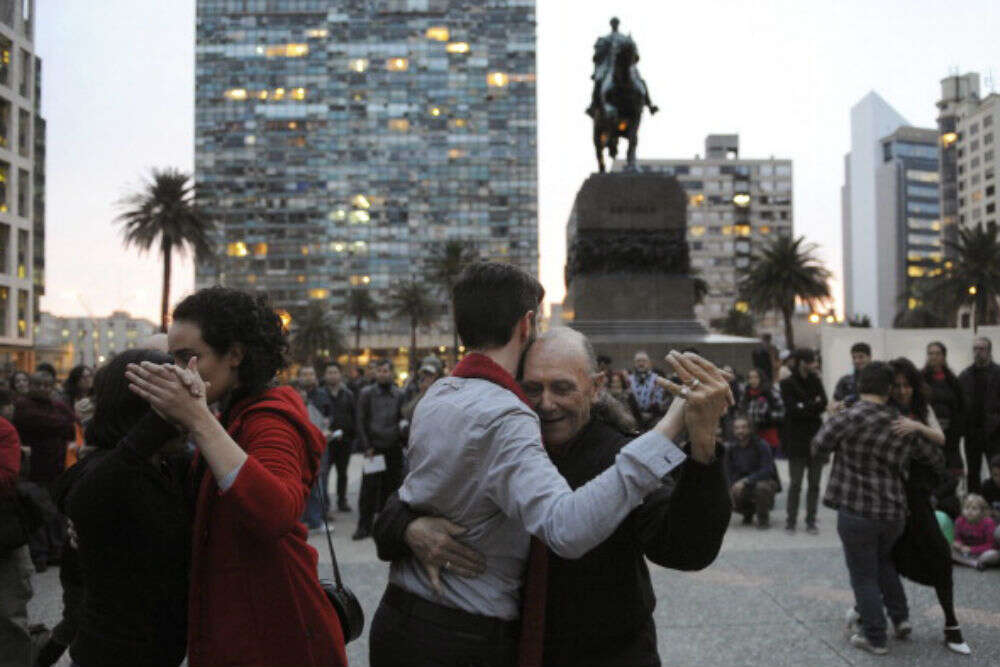 Tango is believed to have its roots in the poor areas of Montevideo, the capital and largest city of Uruguay. In the Old City, about 150 years ago, the streets teemed with immigrant workers from Europe, freed slaves and fortune seekers who frequented neighbourhood brothels and bars. It is here where the tango emerged, a combination of African rhythms, Italian opera and a touch of polka thrown in. As history tells it, the most famous Latin tune was written in 1916 by someone by the name of Gerardo Matos Rodriguez. In Uruguay, they heard it for the first time in 1917 in a café at the foot of Palacio Salvo in Montevideo. The song, titled La Cumparasita, is now the most famous tango hymn and indeed was designated as Uruguay’s national ‘tango hymn’. Today the Old City remains a mecca for tango lovers, and visitors who are learning can join lessons early in the evening before hitting the dance floor.

closecomments

Be the first one to review.
We have sent you a verification email. To verify, just follow the link in the message
end of article
Visual Stories

10 pretty Indian villages to visit this year-end

8 castles in Germany straight out of a fairy-tale

8 tiger reserves every wildlife enthusiast should visit in India

10 animals that are easily spotted in Ranthambore National Park

How to prepare for a night safari in India?

9 rare animals to spot in the Western Ghats and where to find them
Trending Stories
Why travellers are paying more to feel fear, freedom and adrenaline; the rise of adventure tourism in India
Karnataka’s Dubare Elephant Camp tragedy: 5 rules to follow in the presence of wildlife
World's most culturally important rivers, and what they have in store for travellers
Siberia’s mysterious Indian village: Temples, bhajans, traditions - travellers can’t believe what they found at -40°C
Watch: Shocking video of a travel influencer washing underwear in a hotel coffee machine; 5 things in a hotel that can be dirtier than we think




Comments (0)