Tughlaqabad Fort
Tughlaqabad Fort


Synopsis
Both imposing and desolate, the Tughlaqabad fort lies in Delhi’s southern periphery. It was built by sultan Ghiyasuddin Tughlaq in 1321-23 AD to protect the city from Mongol invasions, but was soon abandoned after his death. The s … Read more
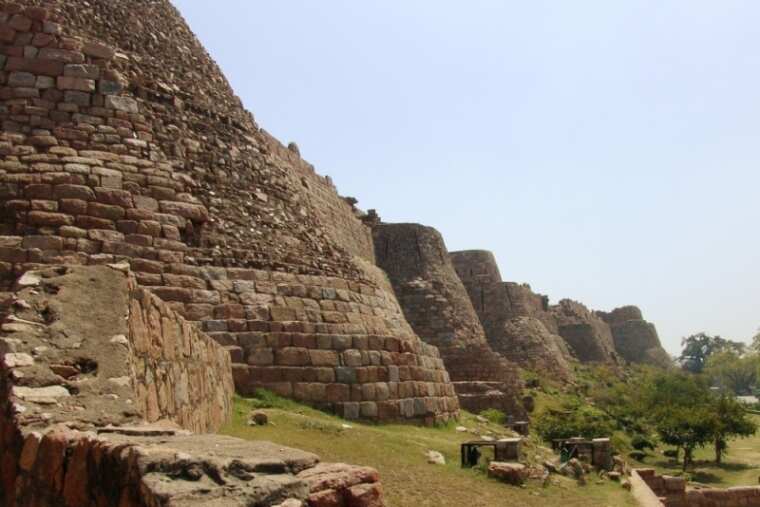
Both imposing and desolate, the Tughlaqabad fort lies in Delhi’s southern periphery. It was built by sultan Ghiyasuddin Tughlaq in 1321-23 AD to protect the city from Mongol invasions, but was soon abandoned after his death. The story goes that Tughlaq incurred the wrath of the Sufi saint Nizamuddin Auliya after he poached his workers for the construction of the fort. Auliya’s curse foretold that the fort would only be occupied by shepherds. Today, the massive half-broken walls enclose halls, public buildings, reservoirs, mosques as well as Tughlaq’s tomb, a spare building of red sandstone and marble. Adilabad, a smaller fort built by Ghiyasuddin’s son Muhammad bin Tughlaq, lies opposite the fort.

closecomments

Be the first one to review.
We have sent you a verification email. To verify, just follow the link in the message
end of article
Next story
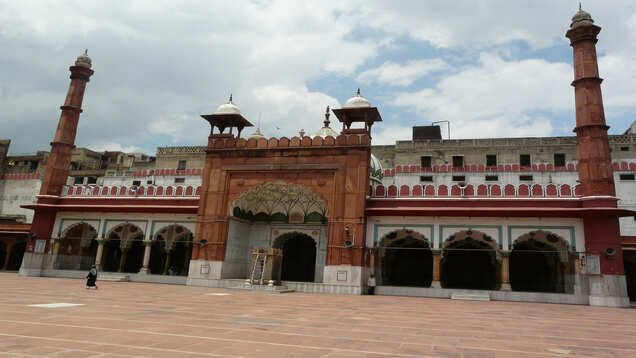
Fatehpuri Masjid
Visual Stories

10 pretty Indian villages to visit this year-end

8 castles in Germany straight out of a fairy-tale

8 tiger reserves every wildlife enthusiast should visit in India

10 animals that are easily spotted in Ranthambore National Park

How to prepare for a night safari in India?

9 rare animals to spot in the Western Ghats and where to find them


Trending Stories
Watch: A video from Northeast India shows powerful lesson in civic sense on train
5 countries where you can drive with your Indian driving licence
5 offbeat beaches in Maharashtra perfect for a peaceful holiday
17-year-old 'Young Wildlife Photographer of the Year 2025': 7 stunning photos
Heavy rain, thunderstorms across these Indian states; 5-day alert for Northeast and East to impact travel plans




Comments (0)