
The best villains in TV history: Gustavo Fring, Homelander, and more
The best villains in TV history: Gustavo Fring, Homelander, and more
The greatest TV villains are not the ones who are simply evil. They are the ones who make you understand exactly why they do what they do, who make you uncomfortable with how much sense they make, and who occasionally make you root for them against every instinct you have. Here are some villains who did not just terrorise the heroes of their shows but permanently raised the bar for what a television antagonist could be.

Gustavo Fring — 'Breaking Bad'
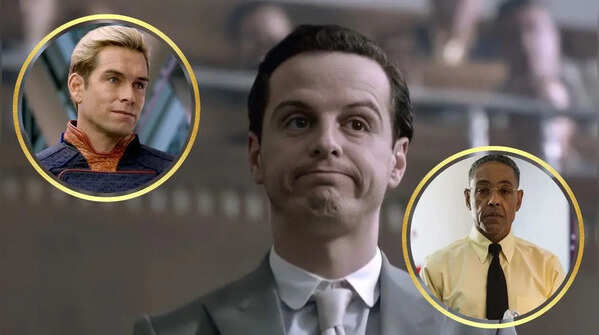
Giancarlo Esposito's Gus Fring is perhaps the greatest villain in television history, a man who built an empire of violence and control behind the immaculate facade of a fast food restaurant owner who remembered every regular customer's name. What makes him so terrifying is not the violence he is capable of but the patience, the discipline, and the absolute absence of panic in any situation, no matter how dire. Every scene he is in crackles with the quiet menace of a man who is always, always three steps ahead of everyone in the room.
Joffrey Baratheon — 'Game of Thrones'
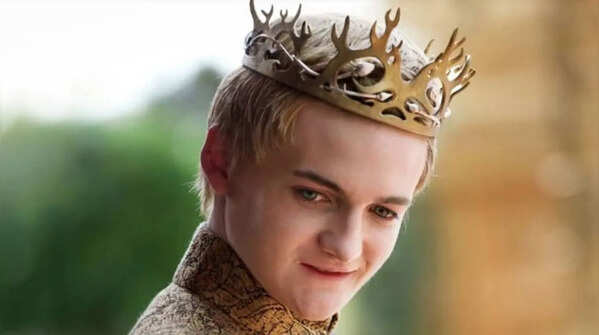
Where most great TV villains have a logic you can follow, Joffrey Baratheon is terrifying differently and more viscerally, a boy king whose cruelty is entirely impulsive, entirely unchecked, and entirely without consequence until suddenly and dramatically it is not. Jack Gleeson played him with a petulant, thin-skinned viciousness that made every scene he appeared in feel like a ticking clock, and the show used him brilliantly as a portrait of what absolute power looks like when it lands in the hands of someone with the emotional maturity of a spoiled child.
Kilgrave — 'Jessica Jones'
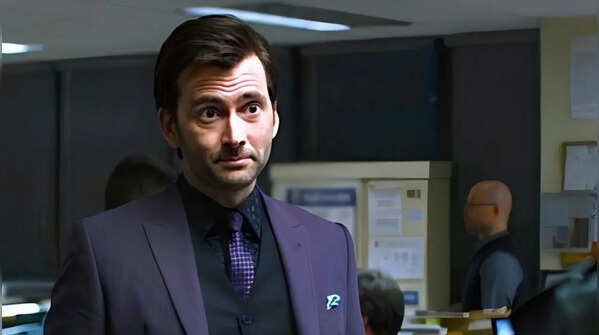
David Tennant's Kilgrave is one of the most chilling villains in superhero television history, a man with the power to make anyone do anything he says who has spent his entire life genuinely unable to understand why that might be a problem. What makes him so deeply disturbing is the show's insistence on exploring his psychology with real seriousness, presenting his possessive obsession with Jessica Jones not as cartoonish evil but as the logical endpoint of a man who has never once in his life heard the word no. Tennant plays him with a breezy, almost playful charm that makes the horror land even harder.
Homelander — 'The Boys'
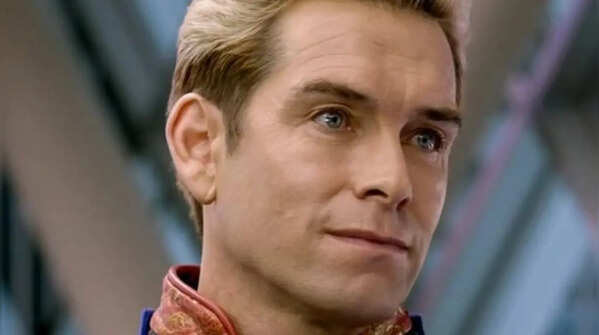
Antony Starr's Homelander is the most terrifying villain on television right now, a Superman-level superhero with the emotional fragility of a deeply traumatised child and absolutely nothing in the world capable of stopping him. What makes him so uniquely disturbing is the way the show frames him as a product of a system that created him, weaponised him, and then lost control of him entirely, a man who craves love and validation with a desperation that curdled into something monstrous the moment he realised nobody could say no to him. Every scene in which that carefully maintained smile begins to slip is pure, suffocating dread.
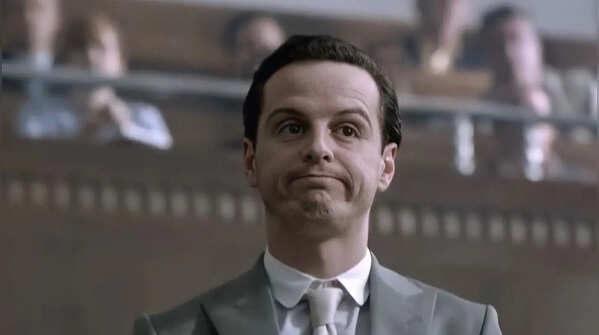
Jim Moriarty — 'Sherlock'
Andrew Scott's Jim Moriarty exploded onto television screens and immediately redefined what a villain in a prestige drama could look and feel like, discarding every prior expectation of the character and replacing it with something electric, unpredictable, and genuinely frightening. He plays Moriarty as a man who is not driven by money or power or ideology but by the pure, almost artistic pleasure of chaos, someone who finds Sherlock Holmes interesting enough to keep alive and everything else in the world disposable. Every scene he shares with Benedict Cumberbatch feels like a bomb with a very short fuse.
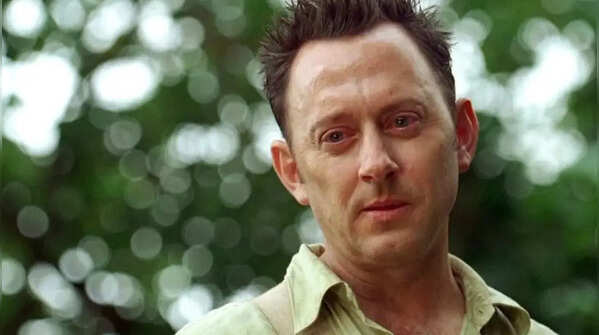
Benjamin Linus — 'Lost'
Michael Emerson's Benjamin Linus is one of television's greatest slow-burn villains, a man who was introduced as a minor character and gradually revealed himself to be the most dangerous and calculating presence on the entire island. What makes him so endlessly compelling is that you never quite know how much of what he says is true, how much is manipulation, and whether even he can tell the difference anymore after years of playing everyone around him like pieces on a board. Emerson plays him with a quiet, wounded intensity that makes every lie feel like a confession, and every confession feel like a lie.

Featured In TV
