
- News
- web-series
- english
- ‘Bridgerton’: A look back at the most iconic ballroom dance moments across all seasons
‘Bridgerton’: A look back at the most iconic ballroom dance moments across all seasons
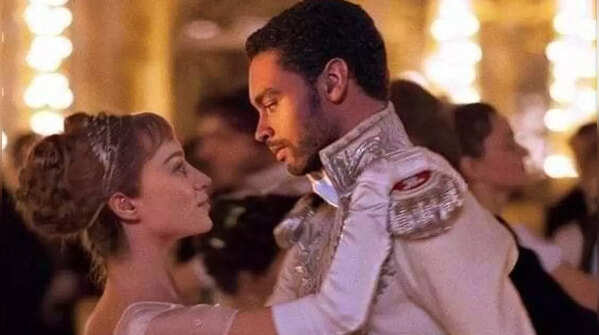
Season 1: Daphne and Simon’s slow-burn attraction
In Season 1 of ‘Bridgerton’, the dance floor becomes an arena for holding back emotions through movement; Although Daphne Bridgerton and Simon Basset appear to adhere to every cultural rule that is imposed upon them. Their bodies react to, contradicting, what their words say or do not say. Each waltz exhibits desire and regret in equal amounts, ultimately resulting in a whirlwind of emotions during their final waltz in which sophisticated and polished behaviour dissolves into overwhelming desire; where there is no adequate way to hide one’s true feelings.
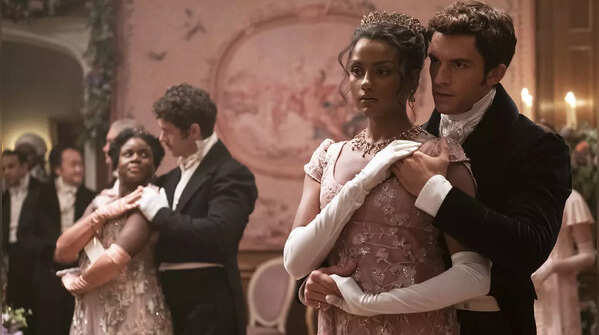
Season 2: Anthony and Kate’s forbidden chemistry
If season one was about longing, season two was about resistance. Anthony Bridgerton and Kate Sharma’s dances crackle with tension, as duty stands firmly between them. Their most talked-about ballroom moment defined by a near-touch and locked eye contact, transforms a simple dance into a tormenting reminder of love denied. No kiss is shared, yet the intensity is unforgettable.
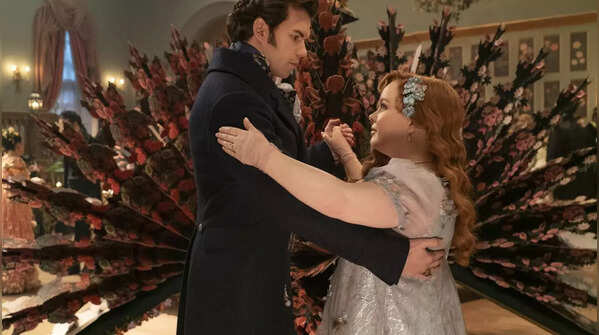
Season 3: Penelope and Colin’s emotional awakening
In ‘Bridgerton’ season three, the dance floor becomes softer, more intimate. Penelope Featherington finally steps out of the shadows, and her dance with Colin Bridgerton feels like a gentle confession. It is not driven by scandal or defiance, but by years of unspoken affection. Their movements reflect comfort, trust, and the joy of being truly seen.
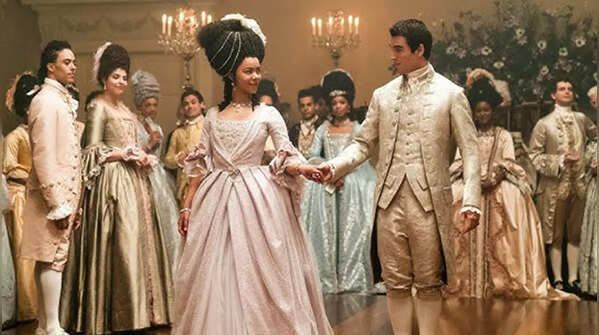
Queen Charlotte’s balls
Across every season of ‘Bridgerton’, Queen Charlotte’s balls are spectacles of control and opulence. These are not just social gatherings, but arenas where reputations are made or shattered. Every dance performed under her watchful eye carries consequence whether it crowns a diamond of the season or freezes the ton into silence with a single royal glance.
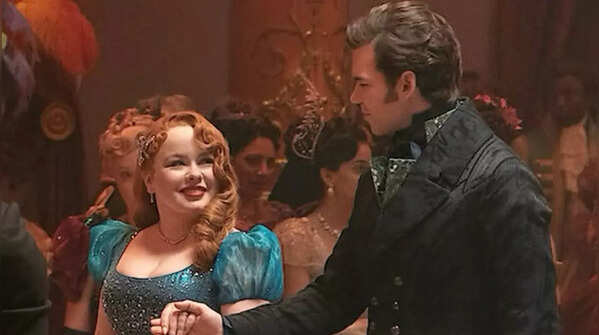
The unspoken language of dance in ‘Bridgerton’
In ‘Bridgerton’, dance is never just tradition. It is courtship without confession, rebellion without words, and love revealed in a single breath held too long. With every season, the ballroom remains the heart of the series, a place where silence speaks, and one step can change everything.
Featured In web series

