Story: Set in 1960s Mumbai’s underground gambling scene, Brij Bhatti (Vijay Varma) manipulates hopes, turning the ‘Matka’ betting game into a widespread household obsession, where ambition, risk, and consequences collide in high-stakes pursuit of fortune.
Review: Set against the smoky, high-risk underbelly of 1960s Bombay, Matka King explores the rise of a gambling empire that reshaped the city’s betting culture. Rooted in the real-life origins of the Matka system—once tied to cotton rates from the New York Cotton Exchange—the series attempts to blend historical context with character-driven drama. While it stops short of being a biographical retelling, the parallels to figures like Ratan Khatri are unmistakable, lending the narrative an added layer of intrigue.
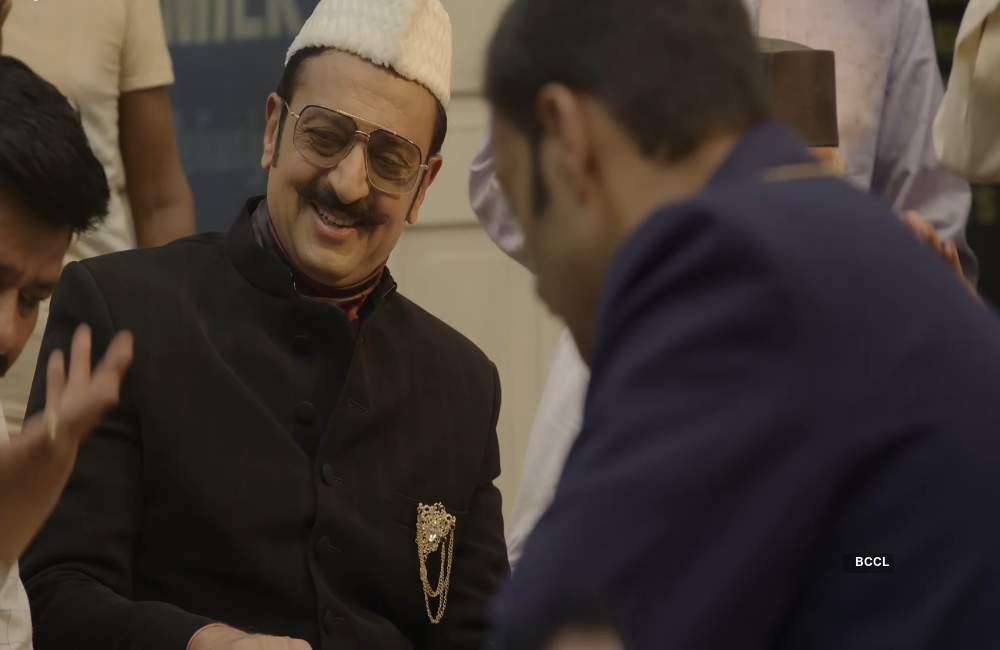
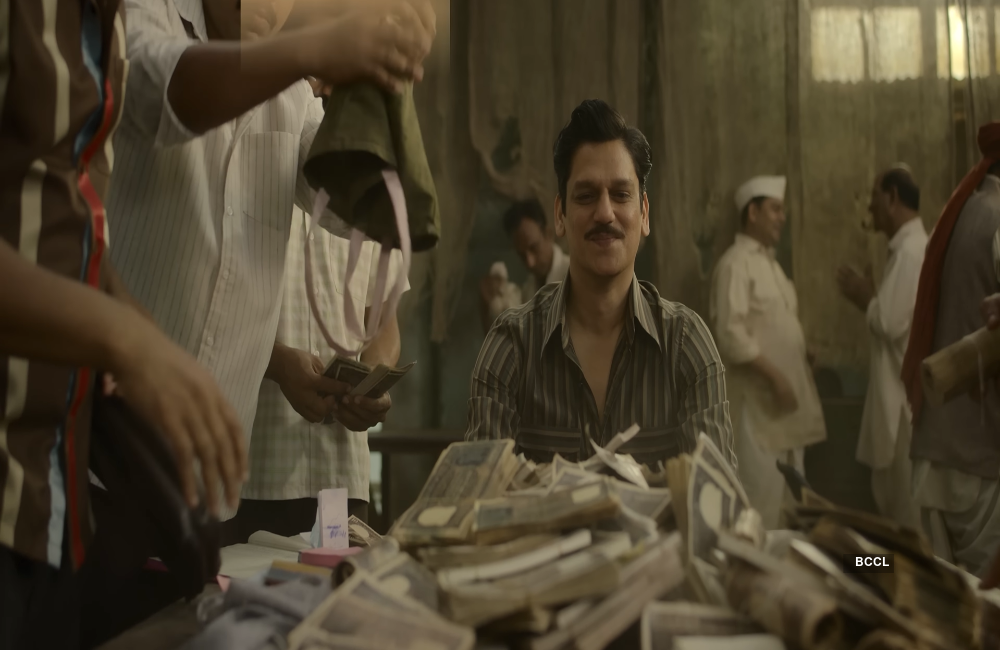
At the center is Brij Bhatti, played with striking intensity by Vijay Varma. Introduced as an ambitious cotton trader yearning for legitimacy, Bhatti’s journey from a dreamer to a gambling overlord forms the emotional and thematic core of the series. His dissatisfaction with working under Lalji Bhai Chaggani (Gulshan Grover), coupled with his hunger for respect, sets the stage for his eventual rebellion. Alongside a disgraced ex-soldier, Dagdu (Siddharth Jadhav), and Gulrukh (Kritika Kamra), a widowed Parsi woman, Bhatti builds a system that brings gambling into the homes of the common man. What begins as a disruptive idea soon spirals into an empire—one that thrives on aspiration but feeds on risk.
Created and written by Abhay Koranne and Nagraj Manjule, the series is at its most compelling when it explores its socio-economic undercurrents. The notion of “democratising gambling” is handled with nuance, exposing the fine line between empowerment and exploitation. The show consistently underscores how ambition, when unchecked, can blur moral boundaries and demand a steep personal cost.
That said, the writing occasionally overreaches. Subplots involving the intersection of gambling with Bollywood and cricket betting, while thematically relevant, clutter the narrative rather than enrich it. Instead of adding depth, they make portions of the series feel dense and unfocused. This is further compounded by predictable storytelling choices—most notably the arc of Bhatti’s younger brother Lachu (Bhupendra Jadawat), whose betrayal is evident long before it unfolds. Similarly, the inclusion of archival references such as the 1975 Emergency feels more cosmetic than consequential, failing to integrate meaningfully into the central storyline.
Pacing is another area where Matka King falters. Despite its inherently high-stakes premise, the series often slows down unnecessarily, lingering on subplots that dilute narrative tension. The result is an uneven rhythm that occasionally tests the viewer’s patience, especially across its extended runtime.
Where the series undeniably succeeds is in its craft. Cinematographer Sudhakar Reddy Yakkanti vividly recreates the texture of old Bombay—from bustling trading hubs to shadowy gambling dens—capturing both the grit and allure of the era. The production design and costumes further enhance this immersion, making the setting feel lived-in and authentic.
Performance-wise, Matka King is consistently strong. Vijay Varma anchors the series with a layered portrayal, capturing Bhatti’s internal conflict, ambition, and gradual moral descent with conviction. Kritika Kamra brings grace and depth to Gulrukh, while Sai Tamhankar adds emotional weight as Bhatti’s wife, Barkha—a woman caught between support and self-assertion. Gulshan Grover commands the screen with his trademark authority, perfectly embodying Lalji Bhai’s dominance. Supporting performances from Siddharth Jadhav, Jamie Lever, Girish Kulkarni, and debutante Simran Ashwini further enrich the narrative.
The music by Amit Trivedi complements the storytelling effectively. Tracks like Ho Ga Savera and Bhaga Re blend seamlessly with the period setting, while the background score enhances the tension without overpowering the drama.
Overall, Matka King is an engaging yet imperfect period drama. It thrives on its performances, atmospheric world-building, and thematic ambition, but is held back by uneven pacing and predictable plot turns. Even so, it offers a compelling glimpse into a fascinating chapter of Mumbai’s history—where dreams, desperation, and danger converged in the turn of a number.




















































































 Nagraj Popatrao ManjuleDirector
 Jamie LeverActor
 Bhupendra JadawatActor
 Kritika KamraActor
 Vijay VarmaActor
 Siddharth JadhavActor
 Gulshan GroverActor
 Sai TamhankarActor












0/5