
- News
- Business News
- India Business News
- India Business News
- India not pursuing dollar alternative: CEA Nageswaran clarifies on economic conditions; assures resilience amid global tensions
Trending
India not pursuing dollar alternative: CEA Nageswaran clarifies on economic conditions; assures resilience amid global tensions

CEA Nageswaran clarified India's non-participation in initiatives to create an alternative to the US dollar, emphasizing the nation's economic resilience. Despite global trade tensions, India anticipates FY26 GDP growth in the 6.3–6.8 per cent range. Structural reforms, fiscal discipline, and a focus on innovation are key to India's continued economic stability and growth.
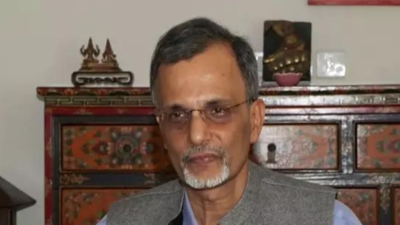
Chief Economic Adviser (CEA) V Anantha Nageswaran (File photo)

About the Author
TOI Business DeskEnd of Article
Follow Us On Social Media
Visual Stories











Hot Picks
Top Trending
Tired of too many ads?go ad free now
Trending Stories
In Business
Entire Website
- Mutual funds trends: Equity inflows drop 22% to Rs 33,430 cr in August; SIP momentum flat at Rs 27,000 cr
- Novo Nordisk to cut 9,000 jobs: Ozempic maker to reduce workforce by 11%; refocus on diabetes and obesity treatments
- India not pursuing dollar alternative: CEA Nageswaran clarifies on economic conditions; assures resilience amid global tensions
- Bhagalpur–Dumka–Rampurhat railways line to be doubled: Rs 3,169 crore project greenlit; freight, tourism to benefit
- Ukraine war: US' Nato envoy accuses India, China of funding Russian offensive; suggests 'additional sanctions'
- Bihar infra boost: Cabinet clears 4-lane Mokama–Munger road corridor; Rs 4,447 crore allocated
- Jumbo challenge for chip-making: Tata Electronics builds elephant-proof barrier for Assam unit; snakes necessitate further safeguards
- Gold rate today: Gold prices fall from record highs, go below Rs 1.09 lakh per 10 grams - here’s why
- Big revival of campus hiring! Infosys invites senior employees on panels for interviews in colleges; details here
- Semiconductor push: India plans fiscal incentives across 25 categories; mandates to spur chip usage in consumer electronics
- Phillies Karen identified and fired after taking Harrison Bader home run ball from Drew Feltwell’s son
- Strong domestic demand: Fitch revises India’s GDP growth outlook upwards to 6.9%; expects another RBI rate cut this year
- Rapper, mayor and now Nepal's next PM? Meet Balendra Shah - studied in Karnataka; banned Indian films in Kathmandu
- New guidelines for Google engineers: Software engineers should use only…
- NASA warns! 100-foot asteroid 2025 QV9 racing towards Earth at over 10,000 mph on September 10; should we be concerned
- Arunachal Pradesh records first-ever photographic evidence of the elusive Pallas’s cat
- US shuts down third-country visa option, forcing Indian students into backlogs and tougher interviews at home
- Ericsson announces lay offs in Canada; company says: Job cuts in Canada will ...
- 'Immigration fraud is not...': USCIS makes an example out of Indian-origin Rambhai Patel, sentenced for visa fraud
- Humans can’t live beyond 150 years: Scientists expose the harsh reality
Financial calculators






Tired of too many ads?go ad free now
Explore Every Corner
Across The Globe
Asia Cup 2025 ScheduleDwyane WadeWho is Phillies KarenTaylor SwiftCaleb WilliamsPhillies KarenUAE VisaConnor McDavidiPhone 17Balendra ShahCanada Indian Student VisaRambhai PatelCiara SonNepal ProtestCP RadhakrishnanITR Filing DeadlineIndia US Trade DealNew GST ListPatrick MahomesPoland AirspaceMegan TheeKP Sharma OliFrance ProtestUS India TradeDonald TrumpNepal ViolenceNepal FMTyreek HillInfosys JobsBritish Horse Racing
Hot on the Web
Karishma KapoorBlocked Arteries SymptomsChia Seeds For HairSolar Eclipse 2025Blocked ArteriesSanjay DuttBlood Pressure GuidelinesIdeal WeightAnupam MittalMagnesium Rich FruitsVitamin DSunjay KapurAfrica Rarest GorillaExercise For Brain CellsOvarian Cancer SymptomsProstate Cancer SymptomsSaiyaara OTT ReleaseNano Banana TrendsDipika KakarFruits For DigestionHeart Attack PreventionFatty Liver SymptomsRice Water for SkinHair Growth OilPersistent High CholesterolAloe Vera Ice CubesBeautiful Aquarium FishThe Bengal Files Box Office CollectionParam Sundari Box Office CollectionBaaghi 4 Box Office CollectionBrain Aneurysm SymptomsPink Guava Vs White GuavaSunita WilliamsYellow Toilet Stains RemoverPancreatic SymptomsOvarian Cancer SymptomsTips To Keep Chapatis SoftArthritis DietTrick To Improve SleepCross River GorillaIdeal Weight For Your Height
Trending Topics
Shreyas IyerShubman GillPCB ChairmanAsia Cup Today matchUS Open Prize MoneySBI Clerk Admit CardUS Student VisaH1B VisaSunil GavaskarArshdeep SinghSSC MTS RecruitmentIOCL Grade A RecruitmentSSC CHSL Tier 1 ExamRBI Grade B Officer RecruitmentNIACL AO Admit CardBCCIPrithvi ShawNIRF Ranking 2025BPSC TRE 4 NotificationNitin GadkariKathmandu AirportBengaluru Yellow Line MetroPune Movie Theatre AssaultDelhi Namo Bharat CorridorMumbai Airport NewsDelhi Bank Fraud Case RaidAbhishek BachchanEmirates IDSunjay Kapur Property DisputeDelhi Thar AccidentShailene WoodleyiOS 26 UpdatesApple iPhone 17 ProPrevent Ac BlastsSam AltmanLiver Cancer WarningiPhone 17 Vs iPhone 16Apple Watch Series 11Nano Banana AiElon MuskWordle TodayNyt Connections
Popular Categories
HeadlinesSports NewsBusiness NewsIndia NewsWorld NewsBollywood NewsHealth+ TipsIndian TV ShowsTechnologyTravelEtimesHealth & FitnessDelhi Gold Rate TodayNumerology Number 1 HoroscopeChinese Horoscope PredictionsAstrologyWeather TodayPlatinum Rate TodaySilver Rate TodayGold Rate TodayIs Bank open todayIs Bank Open TomorrowBank Holidays in SeptemberPublic Holidays in SeptemberStock Market HolidaysNFL ScheduleTechnology NewsInternational SportsPublic HolidaysBank Holidays
Trending Videos
Pakistan captain Salman Agha press conference: What he said on India favourites tag and pressurePoland’s Mega War Prep Announcement After Downing Russian Drone In Ukraine | Watch‘Rahul Go Back’: UP Minister Blocks Convoy, Demands Apology Over Insult To PM Modi’s MotherAamir Khan Opens Up: 'Father’s Struggles Made Me Fear Producing Films'’50 Body Bags & Counting’: Russian Missiles Obliterate Ukraine’s Odesa Hub Near Romania BorderDeepika Padukone Bakes Dua’s 1st Birthday Cake Herself | Fans Call It 'The Sweetest Gesture'Prajakta Koli Cancels Nepal Trip Amid Gen-Z Protests: ‘Celebrations Feel Inappropriate'‘Arrest Herzog!’: Massive London Protests Erupt As Israeli President Visits UK Amid Gaza WarRupali Ganguly lashes out at BMC after 2.5-hour traffic nightmarePeter Navarro Calls Indians 'Keyboard Minions', Gets Humiliated By Experts After Online BacklashKarisma Kapoor’s Kids Challenge Billionaire Dad’s Will in ₹30,000 Cr Estate Feud In Delhi HCKajol Recalls Crying and Howling After Slapping Co-star for 'Bekhudi'Embarrassment For Trump At DC Restaurant; Sloganeering By Pro-Palestine ProtestersZelensky's Men Hit Back! 122 Drones Swarm Russia After Moscow Kills 24 Ukrainian CiviliansProtesters Disrupt Trump’s Dinner With Hitler Chants; Chaos In Washington DCUS To Slash Army Readiness Funding In Europe By 2026 Amid Strategic Shift To PacificRussia Fact Checks Zelensky's "War Crime" Video; 'No Attack On Pension Queue'MJ Akbar Lauds Modi’s Swadeshi Policy As Trump Changes Tone On India-US Trade Talks
Latest News
Amid Karisma Kapoor-Priya Sachdev Rs 30,000 inheritance feud, Sunjay Kapoor's mom claims nothing left for her: 'Rs 10,000 cr should've been mine'Mahalaya 2025 to spotlight the fierce avatars of DurgaBeer drinkers get more mosquito attention, says researchTimber Rattlesnake vs. Eastern Diamondback: Which rattlesnake is more dangerousNBR Group’s Soul of the Seasons wins national honour for themed living in BengaluruWhat made rapper turned Mayor Balendra Shah, who is likely to be Nepal's next PM, the country's most-important leader on Instagram, YouTube and FacebookNovo Nordisk to cut 9,000 jobs: Ozempic maker to reduce workforce by 11%; refocus on diabetes and obesity treatments'If shedding blood is good for our future then … ': Gen Z topples Nepal govt; what are their key demands?Sa Re Ga Ma Pa Seniors Season 5: Folk singer Pushpavanam Kuppusaamy to grace the showIndian talent heads to Toronto Film Festival spotlightPrathaon Ki Odhe Chunri: Beendani actress Gauri Shelgaonkar on language challenges in playing Ghevar: I watched a lot of Rajasthani shows'Sunny Sanskari Ki Tulsi Kumari': Janhvi Kapoor re-creates 'Bijuria' with 'Homebound' co-stars Ishaan Khatter, Vishal Jethwa while waiting at airport'Proud of our Constitution': Supreme Court cites Nepal, Bangladesh turmoil; what prompted observation?Why Aaron Rodgers prefers to keep his marriage to Brittani out of the public spotlightKnee pain is on the rise among people in their 30s and 40s, study warns: Know causes and preventionBeachside cChemistry between Mimi and Abir sets the moodUttarakhand pahadi ras: Himalayan dish for immunity and wellnessSafety first: Things to keep in mind before every adventure activity
Copyright © 2025 Bennett, Coleman & Co. Ltd. All rights reserved. For reprint rights: Times Syndication Service