
- News
- Education News
- News
- Birds and bees
Trending
This story is from July 2, 2007
Birds and bees
Health experts estimate that the number of Indians who are HIV positive will increase from the current figure of 5.7 million to more than 20 million by 2010.

In reality, this initiative has sparked off a morality debate across the nation, with a significant portion of decision makers still uncomfortable by the mere mention of sex education.
Suggesting that sex education modules and supplementary visuals are too explicit, the state governments of Maharashtra, Madhya Pradesh, Chhattisgarh, Karnataka, Rajasthan and Gujurat have refused to implement sex education in public schools. The Government of Kerala has asked a review board to modify certain parts of the textbooks used as part of the sex education curriculum before it introduces the subject in schools.
Moreover, critics of sex education argue that exposure to this subject will "corrupt" the minds of the Indian youth and lead them to imbibe "immoral" practices.
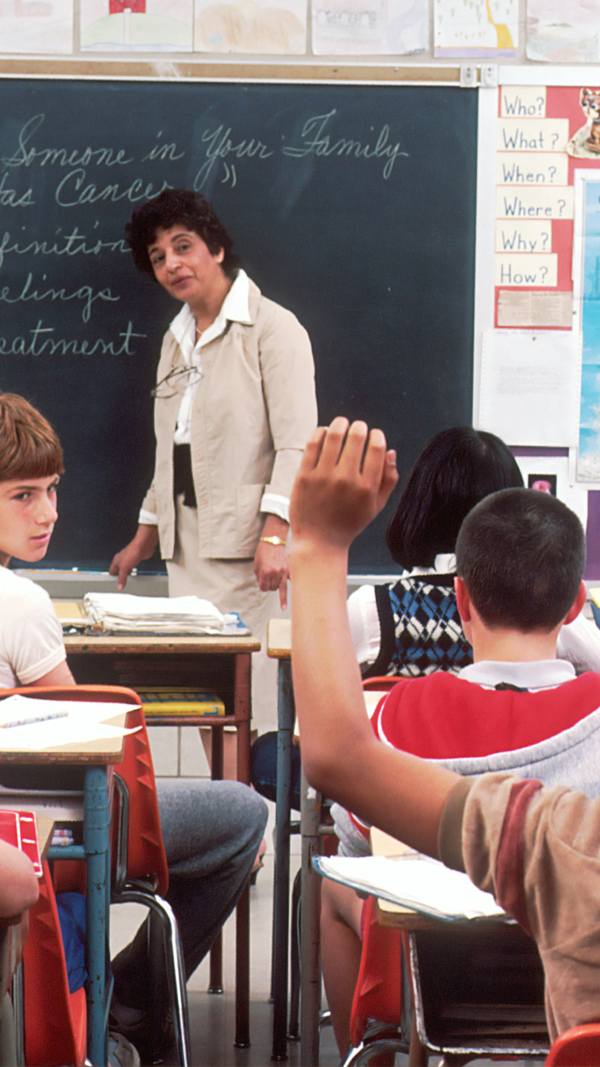
Vehemently opposing this belief, high school teacher, Kamini Prasad (name changed) has dedicated the last fifteen years of her career towards spreading awareness about safe sex practices. She explains, "Sex education need not be in-your-face and controversial, particularly in a sensitive society such as ours. Whether I am teaching health, social experience or even geography, I adopt subtle teaching methods that inculcate the importance of safe sex in my students, without upsetting the sentiments of guarded colleagues or parents."
Mehek Modi, 24, says, "I think it is ridiculous to not include sex education in the academic curriculum, considering the growing problems posed by the lack of family planning and AIDS. Also, if it is taught, the discussion needs to be religion-neutral (as compared to the abstinence-only programmes in the United States, for example). Sex is very much a part of the Indian culture - just talking about it isn't, and that needs to change."
Adds Nihal Ladiwala, 25, "Children need to be educated about sex, in school - more so in our country than anywhere else because of the population problem! As far as how sex education can be taught, schools could conduct monthly seminars where topics such as rapes, over population and protection are covered."
Others like Akshay Shetty, 25, believe that it is against the Indian culture for sex to be discussed as freely as it would in a class on sex education. "I am of the opinion that while safe sex must be promoted, there is no need to include it in the education system. Yes, students should be made aware of the facts, but in a similar manner to the way we learn about the effects of smoking. There is no need for an entire curriculum to be dedicated to this cause," he says.
"I am more comfortable with the idea of a teacher educating my child about sex education than having to do so myself. Ideally, I would prefer that my children learn about this issue by reading and their peers, but if this is not an effective method of learning, then our education system should teach sex education in a method that is acceptable by our society," explains Sayali Bhagat, a mother of two teenage children.
The fact is, on one hand the chief ministers of populous states such as Madhya Pradesh and Karnataka, and the education minister of Rajasthan believe that if implemented, sex education will have many adverse effects on the youth. On the other hand, Renuka Chaudhary, India's minister of state for women and child development has stated, "Sex education does not mean you are encouraging sex, which is how it's interpreted. Sex education is no less than insurance for your child. It is what will protect your child." The morality debate triggered by the subject of sex education is a perfect example of the issues that a rapidly changing Indian society can expect to grapple with in the near future. As proponents and opponents of sex education continue to battle their differences, an effective alternative solution and a decrease in sexually transmitted diseases remains a phenomenon, yet be seen.
End of Article
FOLLOW US ON SOCIAL MEDIA
Visual Stories









Photostories

Hot Picks
TOP TRENDING
Popular Categories
Hot on the Web
Top Trends
Travis KelceIsrael Hezbollah WarIND vs PAK HighlightsElection Exit PollsIND vs BAN Live ScoreKayla NicoleShan MasoodPrince WilliamAmethi Murder CaseAssembly Election Result 2024UGC NET ResultDiddyWomen's T20 World CupTop MBA Colleges of IndiaT20 WC ScheduleWomen T20 World Cup Points TableLive Cricket Score
Trending Topics
Bigg Boss 18 Launch LIVE UpdatesBigg Boss Tamil 8 Contestants ListBigg Boss Tamil 8 Launch LIVE UpdatesNavratri Colours 2024Navratri Day 2 ColourDurga Puja 2024Bigg Boss 18 House PhotoDevara CollectionGOAT OTT ReleaseDeepika PadukoneGovindaDevaraGovinda NewsDevara Movie ReviewSwatantrya Veer SavarkarColdplay India tour 2025Maa Durga 108 NamesNavratri JewellerySony Bravia 55 inch 4k Ultra HD TVWordle Answer
Living and entertainment
Latest News
India’s F&O addiction: Falling, hurting, bleeding but chasing that elusive pot of goldBigg Boss Tamil 8: Sunitha Gogoi to dazzle with dance performance from Vijay’s film 'GOAT'Long farewell: Yellow alert for today and tomorrowBigg Boss Marathi 5: Riteish Deshmukh condemns Nikki Tamboli and Aarya Jadhao's remarks on Varsha Usgaonkar and Jahnavi Killekar"Will form govt in both Haryana, J-K": BJP's Tarun Chugh on upcoming Assembly elections resultsCongress' Jairam Ramesh highlights 'three dark clouds' threatening Indian economy's growthRevealed: The real reason Taylor Swift was missing from Travis Kelce's birthday celebrationDelhi ki festive vibe hi alag hai: Mannara ChopraBigg Boss Tamil 8: Contestant Aishwariya Bhaskaran—Here’s what you need to know about the Aaru actressPunjab AAP leader shot at during argument with Akali Dal leaderWill Varun Dhawan, Shraddha Kapoor, and Kriti Sanon come together in 'Stree' x 'Bhediya' film?Navratri 2024 Day 5: Maa Skandamata, Puja Vidhi, Mantra and SignificanceUttar Pradesh: Police station in-charge and SI suspended, two others removed in BahraichBhumi Pednekar’s Badhaai Do co-star Chum Darang to be a part of Bigg Boss 18? Here’s what we knowBigg Boss Tamil 8: Actress Sachana Namidass to participate in the upcoming season?Amul ready to enter European market after US: MDBigg Boss Marathi 5: Akshay Kumar reunites with Varsha Usgaonkar after 20 years on the reality show; says 'You Haven’t Changed a Bit'Flash flooding kills three in northern Thailand
Copyright © 2024 Bennett, Coleman & Co. Ltd. All rights reserved. For reprint rights: Times Syndication Service