- News
- entertainment
- bengali
- movies
- Mrinal Sen: An inspiration for new-age directors
Trending
This story is from May 14, 2012
Mrinal Sen: An inspiration for new-age directors
Priyanka Dasgupta takes a look at how the Dadasaheb Phalke Award winner inspires the new-age directors
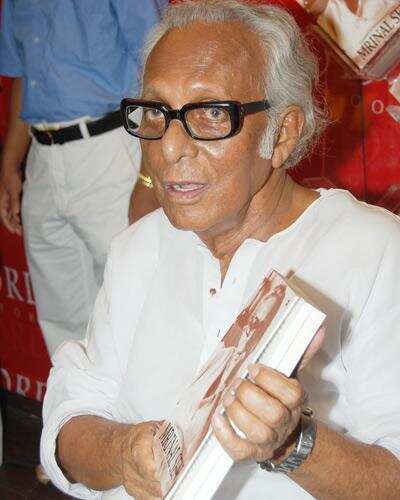
Creations of the maestro are working wonders years after they were conceptualized. Priyanka Dasgupta takes a look at how the Dadasaheb Phalke Award winner inspires the new-age directors...
Ten years ago when Dhritiman Chaterji sent Mrinal Sen an e-mail on the latter���������s 80th birthday, the actor of Interview and Padatik got a reply from the master director saying: ���������When you have crossed 50, don���������t mention your age. If people ask you, just say you are one year older than what you were last year. So on his 90th birthday on Monday, Sen remains quintessentially forever young. Ten years have passed since he last went behind the camera to direct Amar Bhuvan. Yet today, when one examines Indian cinema, especially contemporary movies made with an independent spirit, many feel that he is stylistically one of the major influences for those who are poised to change the language of visual narratives.
If Srijit Mukherjee shared Sen���������s title of Baishe Srabon for his movie, Mainak Bhaumik is more direct about expressing his stylistic Sen parallels. ���������One can call it a steal or a homage. He is the one who made me want to become a filmmaker. From Bhuvan Shome to Interview, from Ek Din Pratidin to Akaler Sandhaney - there is so much he has done that we directors are trying to incorporate in our cinema. Today what is being described as new-age Facebook generation of Indian filmmaking is directly inspired by his work. Way back in the 60s, the word cool didn���������t exist. But if it did, one would have to say that it's Sen who introduced the language of cool in Indian cinema,��������� Bhaumik says.
To explain his own influence, he points at how he has stolen from ���������AS��������� while making Bedroom. ���������There is this section where I have interviews of Rahul talking to the camera and then someone says cut, cut, cut and I just break out. That's a direct lift from ���������AS���������. Even the major fight scenes between Rahul and Parno are indirectly influenced by Sen, in the sense that I wanted to make fights very ugly, brutal and hence, very real. Sen is a true film scientist who truly experimented with style. Many of us are doing what he has done some 40 years ago. Even the way Anurag Kashyap presents a gritty reality of life as it is without romanticising reflects Sen's style. So is Dibakar Banerjees style of presenting Delhi in Oye Lucky Lucky Oye, that���������s starkly different from Rang De Basanti or a Delhi-6's way of presenting the city. The way Amit Roy uses his unconventional camera angles are in Ram Gopal Varma���������s Sarkar seems to have a subconscious Sen inspiration,��������� Bhaumik adds.
Sreela Majumder, who acted in six of Sen movies, says that she noticed influences of ���������AS��������� in Peepli Live. ���������Directly or indirectly, one does see resonances of his cinema in contemporary Indian movies. The use of a famine as a backdrop in ���������PL���������, the treatment of satire, political questioning and the presence of villagers both simple and not-so-simple have echoes of our ���������AS���������,��������� Majumder says.
Mamata Shankar, another Sen favourite, also agrees. ���������Both Mrinal-da and my father, Uday Shankar, have been visionaries. Being far-sighted, whatever they did decades ago were much ahead of the times. People might not have understood their works when they did it but today, the world is discovering them. My only regret is that these people never flaunted their own achievements and maintained a low-keyed existence. Sometimes when today's directors try out techniques that Mrinal-da used some 40 years ago, there are people who say wow and also attribute these stylistic devices as discoveries of these filmmakers. I���������d be glad if these directors who are influenced by Mrinal-da acknowledged their inspiration in public.���������
Incidentally, director Debanik Kundu, whose Abhiman starring Aprita and Parambrata Chatterjee is all set for a June 8 release, has a direct reference to the story of Ek Din Pratidin. Kundu���������s movie deals with the plight of a married lady who doesn���������t return home one night.
���������Of course, there is a parallel with Ek Din Pratidin where a girl doesn���������t return home one night because she misses the last bus. The society hasn���������t changed much since Sen explored this issue in 1979. Today a woman can return home at midnight and again leave at four in the morning. But if she doesn't return home without informing anyone between midnight and dawn, questions will be raised just the way they were about the credibility of the lady who was raped in the recent Park Street incident.��������� Shankar, who played the role of the missing girl in ���������EP���������, is keen to watch Abhiman. ���������I am intrigued and want to watch the movie,��������� she says.
However, Dhritiman Chaterji says while coincidences may remain, there is a doubt over how many of today's directors actually watch Mrinal Sen's movies that closely to be inspired. ���������Certainly Mrinal-da was technically innovative and was the first in Indian cinema to use an unconventional narrative pattern. These devices (read hand held camera ) are products of technology. In his time, Mrinal Sen must have also been influenced by European films, especially the French new wave cinema. I don���������t think the stylistic devices used by today���������s makers are direct influences of Sen. If people are getting ecstatic about the use of certain devices in contemporary cinema, they must know that a lot of the stuff has already existed.���������
Suhasini Mulay, who made her debut in Bhuvan Shome, agrees with Chaterji saying, ���������Camera angles and using the city as a character in the film cant be attributed as Sen's influences. Rather, the way he approached cinema is something that many of today���������s filmmakers have. He was very organized and efficient and yet was open to suggestions. That's something I find in today���������s directors too.���������
Nandita Das, who acted in Amar Bhuvan with Sen, says more than exact stylistic elements, it is Sen's way of leading his life that has been an influence on her and her peers. ���������He is one of the last of the Mohicans. When he made movies, everything was about good cinema and bad cinema. That���������s what we see happening in today���������s cinema too. The way he looked at stories, told them and chose the characters brought a different sensitivity to cinema. He never takes himself seriously even while being seriously engaged enough with the world. His work, life and values are in complete sync with each other. This quality influences his works too. My Firaaq doesn���������t have any conscious influence of his style but as a director and a human being, I try to imbibe this philosophy. But what worries Das is that no DVD of Sen���������s last movie, Amar Bhuvan, is available. That���������s sad and I wish the film was re-released now. We can���������t even get a DVD. At his age, we can���������t expect him to ensure that it���������s available. But I wish something was done. Much like my father, Jatin Das, Mrinal-da too is a person who is interested in the journey more than the outcome. That's what keeps them going.��������� May the journey continue.
Ten years ago when Dhritiman Chaterji sent Mrinal Sen an e-mail on the latter���������s 80th birthday, the actor of Interview and Padatik got a reply from the master director saying: ���������When you have crossed 50, don���������t mention your age.
If Srijit Mukherjee shared Sen���������s title of Baishe Srabon for his movie, Mainak Bhaumik is more direct about expressing his stylistic Sen parallels. ���������One can call it a steal or a homage. He is the one who made me want to become a filmmaker. From Bhuvan Shome to Interview, from Ek Din Pratidin to Akaler Sandhaney - there is so much he has done that we directors are trying to incorporate in our cinema. Today what is being described as new-age Facebook generation of Indian filmmaking is directly inspired by his work. Way back in the 60s, the word cool didn���������t exist. But if it did, one would have to say that it's Sen who introduced the language of cool in Indian cinema,��������� Bhaumik says.
To explain his own influence, he points at how he has stolen from ���������AS��������� while making Bedroom. ���������There is this section where I have interviews of Rahul talking to the camera and then someone says cut, cut, cut and I just break out. That's a direct lift from ���������AS���������. Even the major fight scenes between Rahul and Parno are indirectly influenced by Sen, in the sense that I wanted to make fights very ugly, brutal and hence, very real. Sen is a true film scientist who truly experimented with style. Many of us are doing what he has done some 40 years ago. Even the way Anurag Kashyap presents a gritty reality of life as it is without romanticising reflects Sen's style. So is Dibakar Banerjees style of presenting Delhi in Oye Lucky Lucky Oye, that���������s starkly different from Rang De Basanti or a Delhi-6's way of presenting the city. The way Amit Roy uses his unconventional camera angles are in Ram Gopal Varma���������s Sarkar seems to have a subconscious Sen inspiration,��������� Bhaumik adds.
Though Roy, himself, doesn���������t agree about any conscious Sen influences, he now wants to re-examine his own works and that of Sen's to find if there are any parallels.
Sreela Majumder, who acted in six of Sen movies, says that she noticed influences of ���������AS��������� in Peepli Live. ���������Directly or indirectly, one does see resonances of his cinema in contemporary Indian movies. The use of a famine as a backdrop in ���������PL���������, the treatment of satire, political questioning and the presence of villagers both simple and not-so-simple have echoes of our ���������AS���������,��������� Majumder says.
Mamata Shankar, another Sen favourite, also agrees. ���������Both Mrinal-da and my father, Uday Shankar, have been visionaries. Being far-sighted, whatever they did decades ago were much ahead of the times. People might not have understood their works when they did it but today, the world is discovering them. My only regret is that these people never flaunted their own achievements and maintained a low-keyed existence. Sometimes when today's directors try out techniques that Mrinal-da used some 40 years ago, there are people who say wow and also attribute these stylistic devices as discoveries of these filmmakers. I���������d be glad if these directors who are influenced by Mrinal-da acknowledged their inspiration in public.���������
Incidentally, director Debanik Kundu, whose Abhiman starring Aprita and Parambrata Chatterjee is all set for a June 8 release, has a direct reference to the story of Ek Din Pratidin. Kundu���������s movie deals with the plight of a married lady who doesn���������t return home one night.
���������Of course, there is a parallel with Ek Din Pratidin where a girl doesn���������t return home one night because she misses the last bus. The society hasn���������t changed much since Sen explored this issue in 1979. Today a woman can return home at midnight and again leave at four in the morning. But if she doesn't return home without informing anyone between midnight and dawn, questions will be raised just the way they were about the credibility of the lady who was raped in the recent Park Street incident.��������� Shankar, who played the role of the missing girl in ���������EP���������, is keen to watch Abhiman. ���������I am intrigued and want to watch the movie,��������� she says.
However, Dhritiman Chaterji says while coincidences may remain, there is a doubt over how many of today's directors actually watch Mrinal Sen's movies that closely to be inspired. ���������Certainly Mrinal-da was technically innovative and was the first in Indian cinema to use an unconventional narrative pattern. These devices (read hand held camera ) are products of technology. In his time, Mrinal Sen must have also been influenced by European films, especially the French new wave cinema. I don���������t think the stylistic devices used by today���������s makers are direct influences of Sen. If people are getting ecstatic about the use of certain devices in contemporary cinema, they must know that a lot of the stuff has already existed.���������
Suhasini Mulay, who made her debut in Bhuvan Shome, agrees with Chaterji saying, ���������Camera angles and using the city as a character in the film cant be attributed as Sen's influences. Rather, the way he approached cinema is something that many of today���������s filmmakers have. He was very organized and efficient and yet was open to suggestions. That's something I find in today���������s directors too.���������
Nandita Das, who acted in Amar Bhuvan with Sen, says more than exact stylistic elements, it is Sen's way of leading his life that has been an influence on her and her peers. ���������He is one of the last of the Mohicans. When he made movies, everything was about good cinema and bad cinema. That���������s what we see happening in today���������s cinema too. The way he looked at stories, told them and chose the characters brought a different sensitivity to cinema. He never takes himself seriously even while being seriously engaged enough with the world. His work, life and values are in complete sync with each other. This quality influences his works too. My Firaaq doesn���������t have any conscious influence of his style but as a director and a human being, I try to imbibe this philosophy. But what worries Das is that no DVD of Sen���������s last movie, Amar Bhuvan, is available. That���������s sad and I wish the film was re-released now. We can���������t even get a DVD. At his age, we can���������t expect him to ensure that it���������s available. But I wish something was done. Much like my father, Jatin Das, Mrinal-da too is a person who is interested in the journey more than the outcome. That's what keeps them going.��������� May the journey continue.
End of Article
FOLLOW US ON SOCIAL MEDIA
Visual Stories







entertainment videos
Featured In Movies

Popular Categories
Entertainment NewsBollywood NewsTollywood NewsKollywood NewsMollywood NewsMovie ReviewsLatest Hindi MoviesLatest Tamil MoviesMX PlayerParenting TipsHome RemediesWeight LossBeauty TipsParenting TipsHindi VideosHindi Video SongsBhojpuri Music VideosLatest Telugu MoviesBhojpuri Music VideoHindi TV News
Trending in Entertainment
Latest MoviesBollywood MoviesHollywood MoviesTamil Movies 2024Telugu Movies 2024Malayalam Movies 2024Kannada Movies 2024Marathi Movies 2024Bengali Movies 2024Top Rated Movies 2024Best Hindi MoviesBest English MoviesBest Telugu MoviesBest Tamil MoviesBest Malayalam MoviesBest Kannada MoviesBest Bengali MoviesUpcoming Hindi MoviesBest Movies Of All TimeBest Hindi Movies of All Time
Trending in Etimes
Horoscope TodayNumerology Predictions TodayProject 2025Taylor SwiftUS Presidential Debate Key TakeawaysSpringfield Eating PetsMelania TrumpJoe WilsonVice Presidential DebateMeghan MarkleKamala HarrisDonald TrumpPatriot Day 2024Diabetes RiskHappy Mindfulness Day 2024Trump Vs HarrisJoe JonasNational Day of Encouragement 2024Dave Bautista
Trending in TV
Trending in Lifestyle
Trending in Regional
Movie Reviews
Visfot ReviewThalapathy Is The G.O.A.T ReviewRebel Ridge ReviewDetective Conan vs. Kid the Phantom Thief ReviewBeetlejuice Beetlejuice ReviewPad Gaye Pange ReviewA Wedding Story ReviewThe Diary Of West Bengal ReviewTikdam ReviewKinds Of Kindness ReviewAfraid ReviewThe Deliverance ReviewBlue Lock: Episode Nagi ReviewDaddio Review
Upcoming Hindi Movies
Upcoming Regional Movies
Latest News
Jiiva and wife escape with minor injuries after a road accidentThe Zodiac Signs Most Naturally Inclined to HealingWhy Banyan trees survive for centuries and spread indefinitely?Telangana government pushes for increased flood relief from CentreWalking dog in Goa? Mouth guard, leash soon to be mustNBA 2K25 locker codes September 2024: Locker codes revealed and know how to reveal themDonald Trump and Kamala Harris shake hands as they meet for first time on debate stage: Watch the 'awkward' momentBRS pushes for disqualification of turncoat MLAs after High Court rulingKamala may have won debate. But election is still too close to callCommunal violence erupts in Karnataka during Ganpati Visarjan, section 144 imposedVarun Dhawan shares unfiltered reaction to Janhvi Kapoor's 'Daavudi' song from 'Devara: Part 1': 'So freaking good...''On basis of fairness and equality': Bangladesh seeks good relations with India, says YunusMpox kills two, six other confirmed cases in Cameroon: GovernmentJalen Ramsey demands action against Miami Police following Tyreek Hill's pulled from car49ers RB Christian McCaffrey misses win over JetsWWE Superstar Blames the Company for Failing to Utilize Omos’ Potential7 Common veggies that are loaded with iron and essential nutrientsAir India Express and Scoot launch exciting flight sale for domestic and international travel
Other Group Sites -
ETimes is an Entertainment, TV & Lifestyle industrys promotional website and carries advertorials and native advertising.