- News
- entertainment
- bengali
- movies
- Wearing nothing but bare essentials was embarrassing: Jisshu
Trending
This story is from October 7, 2018
Wearing nothing but bare essentials was embarrassing: Jisshu
Srijit Mukherji’s ambitious next, Ek Je Chhilo Raja, is based on the Bhawal case of 1921, a decades-long court case about the mysterious return of Ramendra Narayan Ray, the second prince of the Bhawal estate.
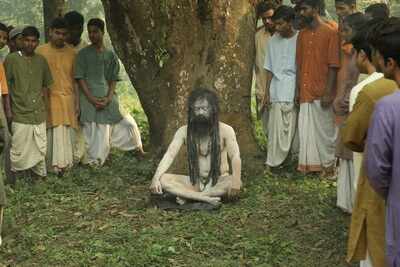

Rich colours, opulent sets and elaborate costumes lend the film the much-needed magnificence. Speaking of the costumes in the film that have already garnered a positive response, Srijit said, “Creating a look for a prince can be easy but in this case, Ramendra Narayan Ray is not really a prince but a landlord who inherited a large estate. The distinct looks in the film are curated in accordance with time periods and circumstances. I knew it could make or break the grandeur that I aimed to put across. The clothes had to do justice to the strong personalities and had to also reflect their sociopolitical context. Sabarni (Das) has done a fine job of it. Besides, we had the original pictures for reference.”
Jisshu U Sengupta, who plays the titular character, said, “From a prince to a sanyasi — I’ve worn contrasting clothes in the film. This was a first for me. Wearing nothing but bare essentials as a sanyasi was a bit embarrassing. There would be around 200 people on sets and it was rather awkward! Moreover, it was very cold in Murshidabad, where we were shooting. It added to the challenge.”
Sabarni Das, the film’s costume designer, said, “My primary research point was Partha Chatterjee’s A Princely Impostor?. The story is not mythology or pre-history. These events were in the recent past and so much material is easily available, in the form of paintings, fiction, journal articles and films. The clothes, style and jewellery — were all made in West Bengal. I had to keep in mind Ramendra Narayan Ray’s background in various phases of his life, the economic and social conditions, and the era. It was challenging working on the film as the budget was tight since Srijit strives for perfection.”

About the Author
Shreyanka MazumdarEnd of Article
FOLLOW US ON SOCIAL MEDIA
Visual Stories







Photostories
entertainment videos
Featured In Movies
Popular Categories
Entertainment NewsBollywood NewsTollywood NewsKollywood NewsMollywood NewsMovie ReviewsLatest Hindi MoviesLatest Tamil MoviesMX PlayerParenting TipsHome RemediesWeight LossBeauty TipsParenting TipsHindi VideosHindi Video SongsBhojpuri Music VideosLatest Telugu MoviesBhojpuri Music VideoHindi TV News
Trending in Entertainment
Latest MoviesBollywood MoviesHollywood MoviesTamil Movies 2024Telugu Movies 2024Malayalam Movies 2024Kannada Movies 2024Marathi Movies 2024Bengali Movies 2024Top Rated Movies 2024Best Hindi MoviesBest English MoviesBest Telugu MoviesBest Tamil MoviesBest Malayalam MoviesBest Kannada MoviesBest Bengali MoviesUpcoming Hindi MoviesBest Movies Of All TimeBest Hindi Movies of All Time
Trending in Etimes
Horoscope TodayNumerology Predictions TodayWalking BenefitsBreast Cancer DiagnosisYung Filly Rape CaseTaylor Rousseau GriggBelly FatSean Diddy CombsOzempic PersonalityDepression RiskBelly Fat LossDurga Visarjan 2024Toxic FriendshipDonald TrumpElon MuskDussehra 2024Durga Ashtami 2024Multitasking TipsSaraswati Visarjan 2024
Trending in TV
Trending in Lifestyle
Trending in Regional
Movie Reviews
Binny And Family ReviewLove, Sitara ReviewWill & Harper ReviewWolfs ReviewYudhra ReviewJo Tera Hai Woh Mera Hai ReviewKahan Shuru Kahan Khatam ReviewHis Three Daughters ReviewNever Let Go ReviewDancing Village: The Curse Begins ReviewTransformers One ReviewFirst Love ReviewBerlin ReviewThe Buckingham Murders Review
Upcoming Hindi Movies
Upcoming Regional Movies
Latest News
Challenging Aspects in Astrology: What They Mean for YouNew Zealand pile pressure on India after routing Sri Lanka'Promotion of players by agents...': Mickey Arthur criticizes PCB, media for team's declining performancesInfosys to no longer send job offer letters and attachments, the company will ...Sena vs Sena: Dusshera rallies in Mumbai turn political as Shinde, Uddhav take aim at each otherUS carries out airstrikes in Syria to avert Isis attack on American soilExclusive: Aishwarya Khare recalls his childhood memories of Dussehra, says 'my father used to take us all to watch Ram Leela and Ravan Dahan'Can a dash of cinnamon in your coffee speed up belly fat loss?Punjab NEET UG Counselling 2024: Round 3 provisional merit list out, steps to checkManasi Parekh celebrates National Award win with husband Parthiv Gohil: “What a year it’s been!”TapSwap Daily Codes for October 13, 2024: Earn coins and cryptocurrency by completing tasksPapankusha Ekadashi 2024: Date, Parana Time, Puja Rituals and Significance'HanuMan' director Prasanth Varma reveals 'difference of opinion' with Ranveer Singh, hints at future collaborationETimes Pic of the day: When Indrajith Sukumaran bumped into Mukesh Ambani at a traffic signalDid you know NTR is the only actor to play both Lord Rama and Ravana?TDB will go ahead with online darshan bookings at Sabarimala templeLeo, Daily Horoscope Today, October 13, 2024: Keep your plans and strategies to yourselfHurricane Milton triggers EF-3 Tornado in Florida's Palm Beach County, leaving seven injured
Other Group Sites -
ETimes is an Entertainment, TV & Lifestyle industrys promotional website and carries advertorials and native advertising.