In the past couple of months - indeed, the past few years - if you’ve found yourself laughing out loud at a show or returning to a comfort-watch comedy, chances are you’ve landed on titles like Single Papa, Maamla Legal Hai, Toaster starring Rajkummar Rao and
Sanya Malhotra, or even reruns of The Great Indian Kapil Show. Netflix India, in particular, has been steadily serving up fresh doses of chaotic, eccentric films and series.
In recent years, audiences have been drawn to stories that are at once heartwarming and chaotic - what writer Akshat Ghildial calls “sometimes actually over the top.” As writer
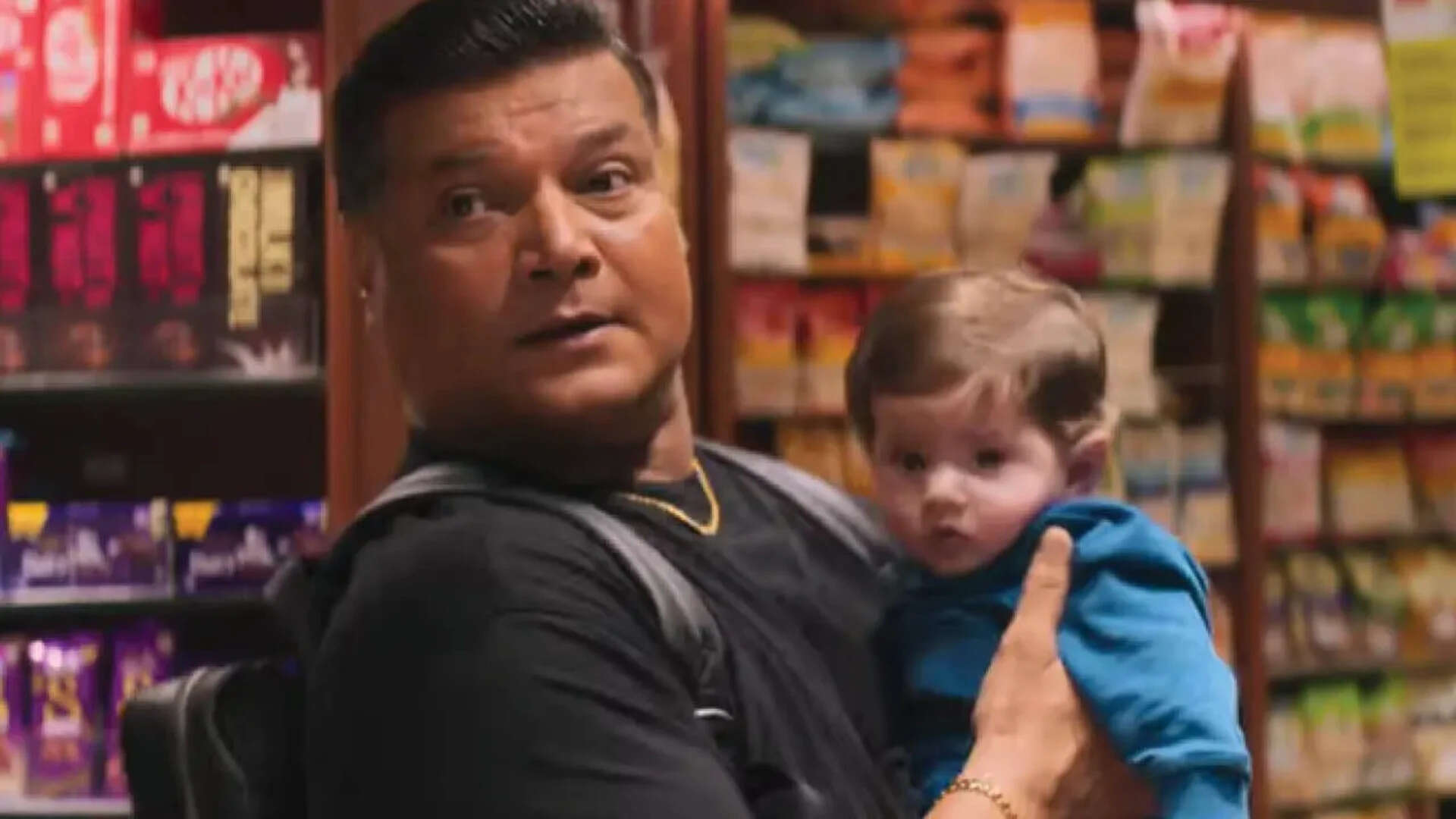
Ishita Moitra puts it: “A man finds a baby in his car’s backseat - it could be tragic, it could be comedy. Nazariya ki baat hai.”
But what goes into making the shows that leave viewers, quite literally, rolling on the floor?
Tanya Bami, series head at Netflix India, shares, “What people don’t always realise is that writing comedy is perhaps the hardest thing to do. One might assume a thriller is the toughest to crack, but comedy has to be culturally rooted, deeply relevant, and sharp enough to hold attention in a world where people can easily tune in and tune out. We are incredibly grateful to the brilliant writers who bring their best work to Netflix.”
This World Laughter Day, we spoke to those who do this hardest job - of making us laugh.

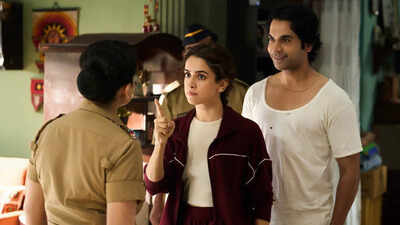
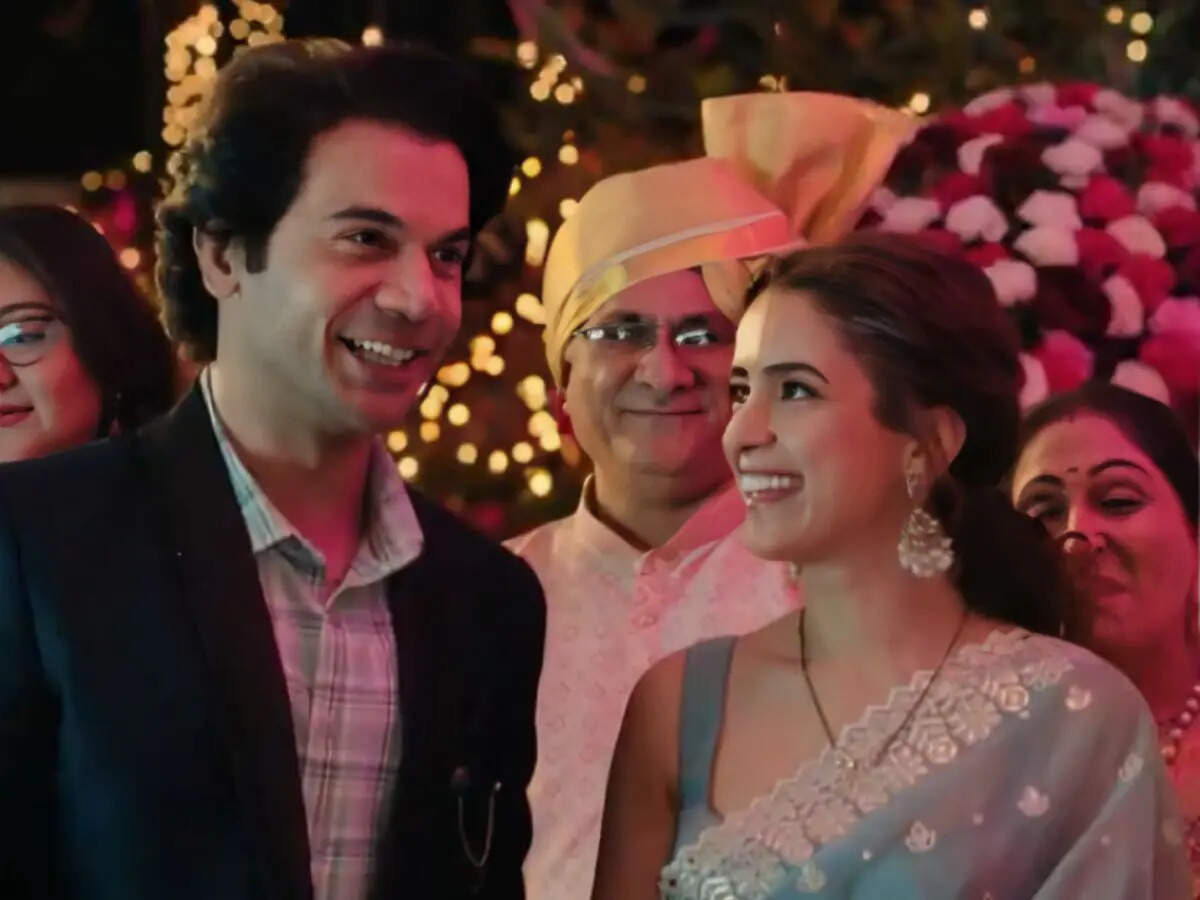
A still from Toaster
For Toaster, writer Akshat Ghildial notes that the story originated with Parveez Sheikh.
“Many of the plot points were already in place. We built on that - based on feedback from Netflix and the producers - while keeping the structure intact and including parallel tracks.”
Comedy, he adds, is uniquely unforgiving. He explains,“When you screen a drama, people are polite. They might say, ‘picture touch kar gayi,’ or offer vague praise. But with humor, the response is immediate. In a theatre, you know instantly whether a joke has landed or not. And on OTT, when people quote instances or mention dialogues, you know they got it."
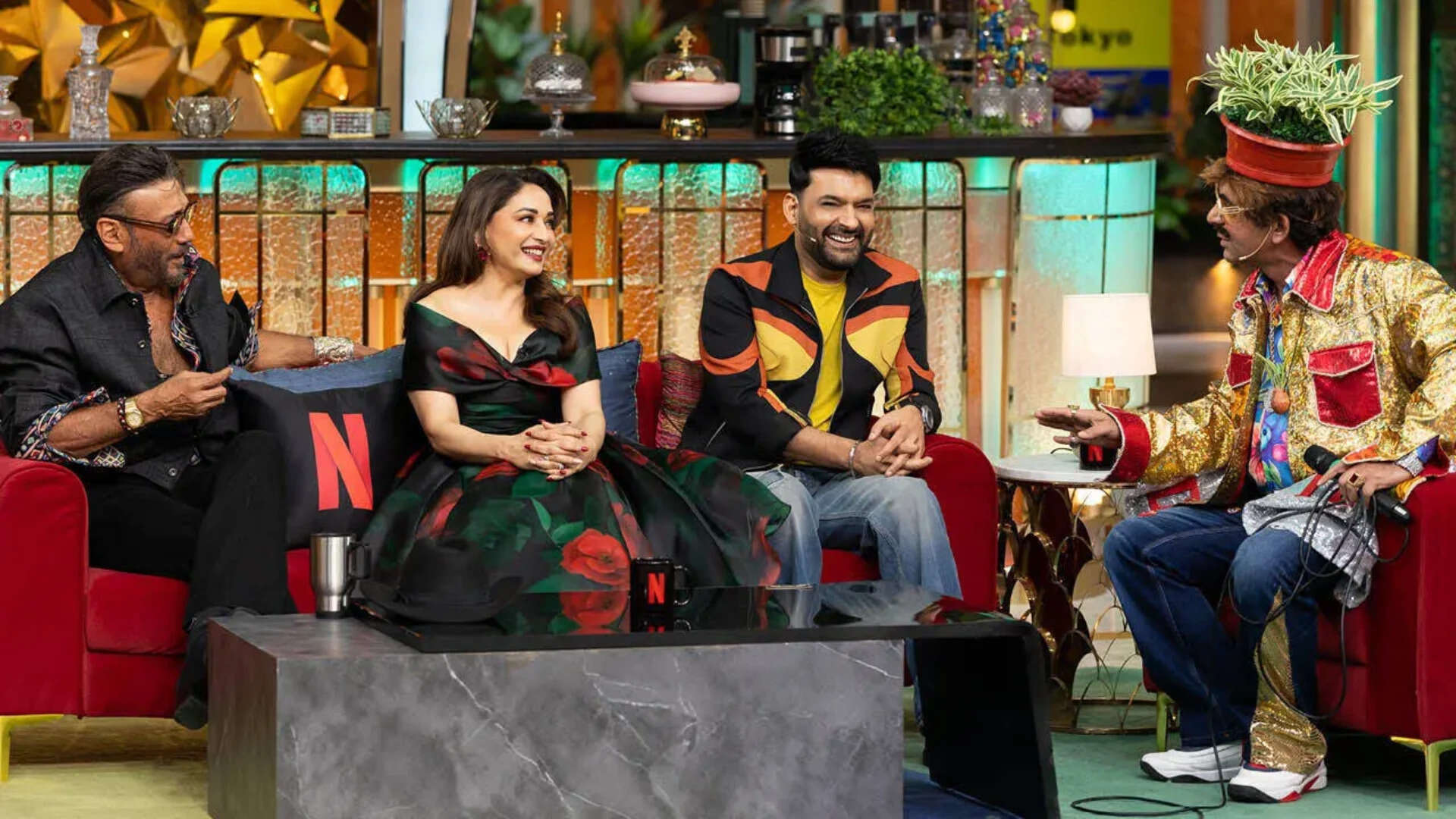
A still from The Great Indian Kapil Show
Anukalp Goswami, who has written extensively across fiction and non-fiction and is associated with The Great Indian Kapil Show, says the changing viewing habits of audiences have altered how comedy is written.
“The audience now has so little time that, as a writer or director, we can’t wait for them to build a relationship with a character,” he says. “Earlier, you could take your time. Now, the audience spends very little time with a character, so even before building the character, we have to think of the punchline. If they connect with the punchline, they will connect with the character.”
He adds that the process has become more layered over time. “Ten years ago, we didn’t have to think so much before writing comedy. Now, we have to think from multiple perspectives. If you’re overthinking and analysing everything before writing, it does affect comedy to some extent. Par yeh achha hai - it's more sensitive, aur samajhdari se likh rahe hain.”
Anukalp Goswami also notes that writing for a show like The Great Indian Kapil Show comes with a different set of dynamics. “Writing-wise, it may be less challenging as compared to the performers,” he says. “Live audience ke apne faayde hain aur nuksaan bhi. Jokes ka real test live audience ke saamne hota hai.”
‘Across fiction, non-fiction, and films, humour is a way of interpreting the world’Tanya Bami, series head at Netflix India, says, “Across our portfolio, we’ve expanded the grammar of comedy. It’s no longer just stand-up or sketch—it’s about building entire worlds where humor drives the story.”
Whether it is a scripted show like
Maamla Legal Hai or the spontaneity of
The Great Indian Kapil Show, she adds, the expectation remains the same: the comedy must feel authentic to India.
Tanya shares, “What’s equally transformative is our stand-up and non-fiction comedy showing up as premium storytelling. The global recognition of Vir Das’s
Vir Das: Landing wasn’t just a win for one special—it reset the ceiling for all of us. The love for Kapil Sharma with his special,
I’m Not Done Yet, was our first marker for our diverse audience. It told actors, comics, and creators that deeply personal, politically aware, and culturally rooted humor could travel without compromise. The steady learning from our fans and members seeps into everything—from how we pitch ideas to how we shape characters and narrative arcs.”
Tanya explains that across fiction, non-fiction, and films, humour is a way of interpreting the world - sometimes absurd, sometimes biting, often deeply human. She shares, “Films like
Haseen Dillruba or
Kathal: A Jackfruit Mystery show that comedy can sit comfortably alongside crime, satire, and social commentary. Ultimately, what we've tried to do is shift comedy from being a genre to being a lens. We believe our titles are not just delivering punchlines anymore; we’re carrying stories that can make someone laugh in Patpadganj and still resonate just as strongly halfway across the world.”
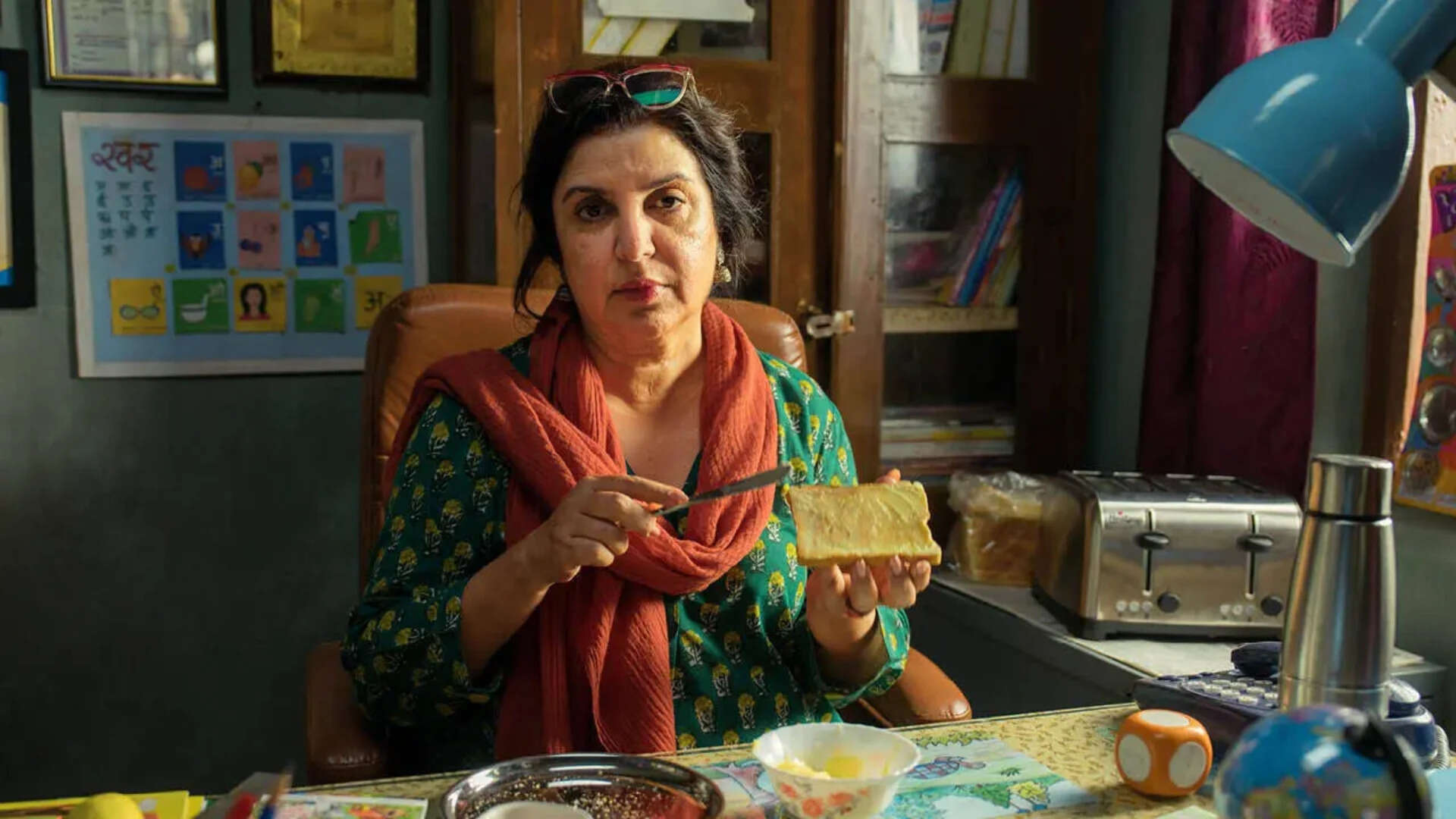
Maamla Legal Hai returned for second season
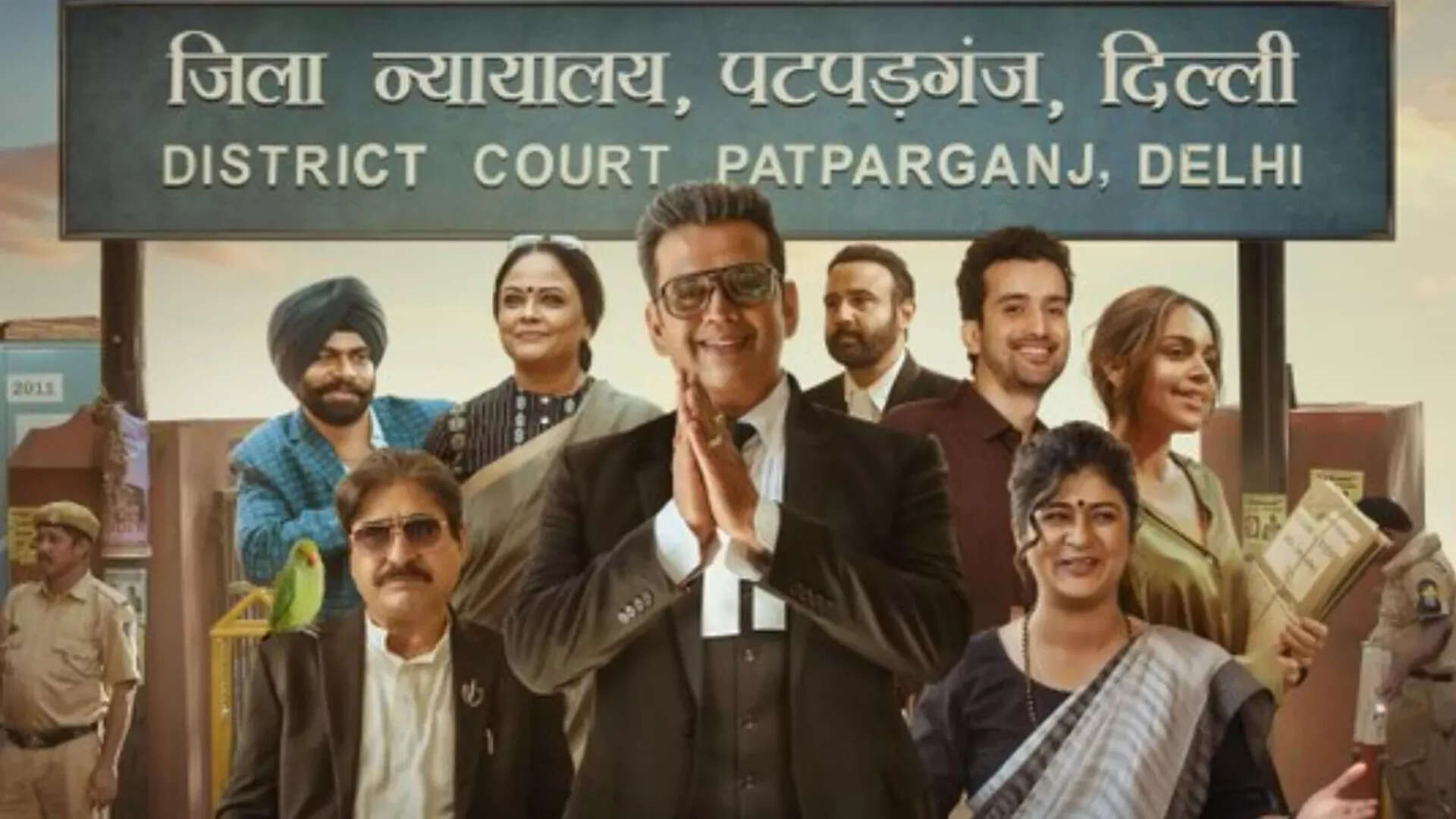
Maamla Legal Hai is, as it puts it, “satya durghatnaon par aadharit.” The series is produced by Posham Pa Pictures, helmed by showrunner
Sameer Saxena, with Rahul Pandey as director. Based on a world created by Saurabh Khanna and Kunal Aneja, the new season is written by Syed Shadan, Mohak Aneja, and Tatsat Pandey.
Tanya Bami, series head at Netflix India, shares that MLH inspired new writers to come forward and reach out to write for the show. Hence, Maamla Legal Hai is, in many ways, a fan-written show.
How did the writers continue the first season’s magic in the second?
Kunal Aneja shares, “Second-guessing the audience is, at best, middling. Best sitcoms ki ek quality hoti hai ki ye aapke doston ke tarah ban jaate hain, and like in real life, you want them to grow and deal with new issues. Jab aap iss sense of familiarity ke saath naya challenge karte hue dekhte ho, then it involves you more in the show.”
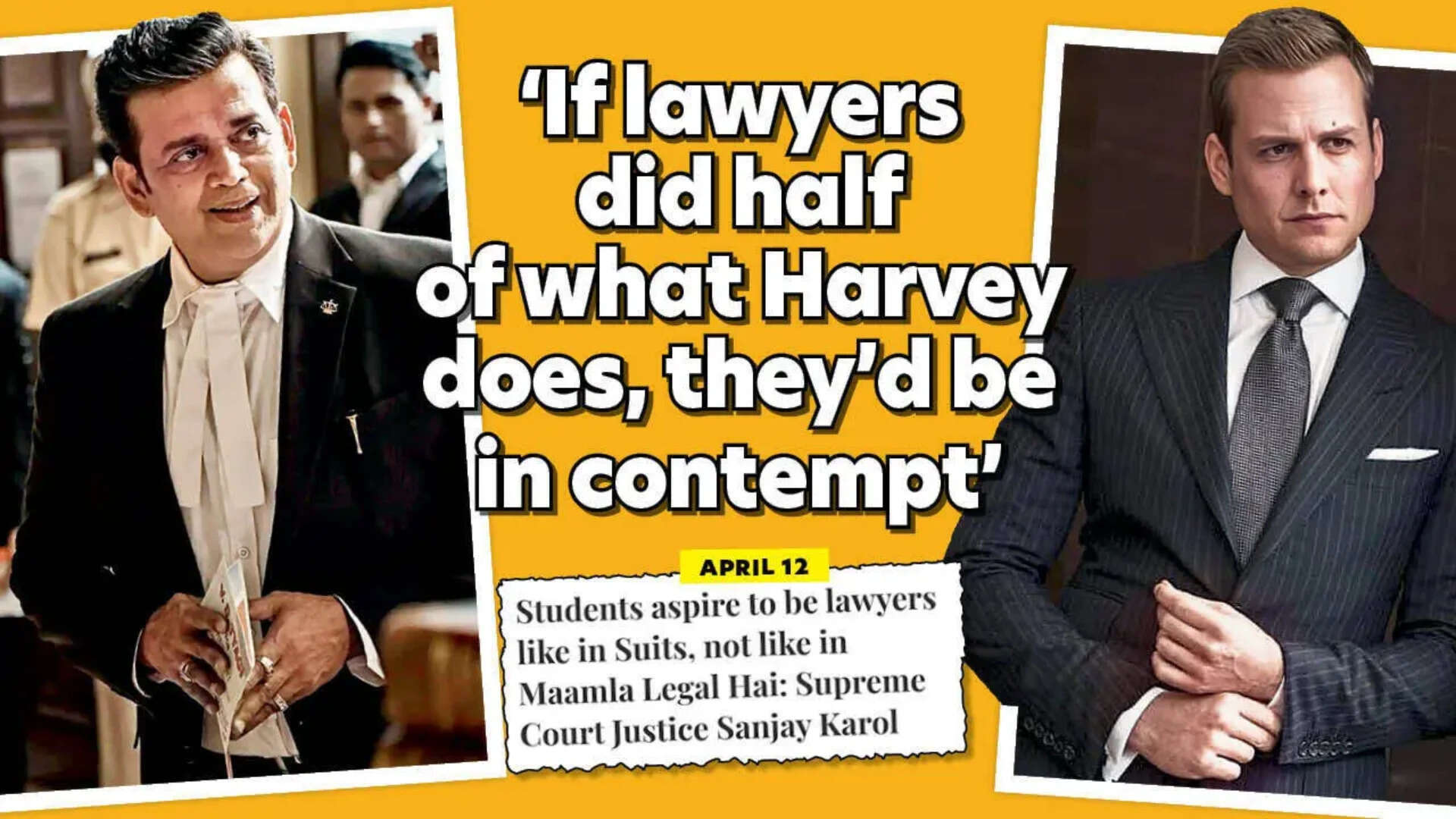
Recently, Supreme Court judge Sanjay Karol praised the show’s realism, urging law students to aspire less to the glossy world of Suits and more to the grounded realities reflected in Maamla Legal Hai.
Before both seasons, the team visited courts and met lawyers and judges. Interestingly, one judge told them how there were bets on his smile. The writers found it hilarious - some of those conversations made it into the show, though many did not.
How do they filter?
Kunal explains, “I feel the best way to deal with misery is to laugh at it because it, in a way, makes it easier to acknowledge.”The incidents, he adds, should not be caricaturish or so over the top that they feel impossible to the audience.
Kunal says, “So, our effort always is to keep it grounded and real because it’s actually happening. It’s not that a particular scenario is from my imagination. If you really try to tell it as it is, it will be funny.”
Toaster follows the story of a stingy man who becomes irrationally fixated on a toaster he gifted. (@NetflixIndia)
Comedy, many writers insist, is among the hardest forms to get right. On Single Papa, featuring actors like Manoj Pahwa, Ayesha Raza, and Prajakta Koli, writers say the process was rigorous and collaborative.
Neeraj Udhwani explains, “You test your material constantly - like stand-up. Before going on set, there are multiple readings. By the time we’re shooting, we have a strong sense of which jokes land and which don’t.”
Ishita Moitra adds that repetition can dull even the sharpest lines. “If you’ve heard a joke eight times, it stops being funny - for you. So you read it out to new people. If seven out of ten laugh, it works. There will never be a joke that everyone finds funny.”
Humour, she notes, is inherently subjective: “Drama is either dramatic or not. Humour depends on the person. Some like silly humor, others prefer subtle or dry humor.”
Both the writers see comedy less as a separate genre and more as a tonal shift. They say,“The storytelling remains the same - whether drama, thriller, or comedy. What changes is perspective. You find humour in situations. A man finding a child in his backseat could be deeply dramatic - but it depends on how you see it.”
Ishita Moitra adds,“Humor often arises from very serious situations. A story like Single Papa could have been told as a straight drama or a tragedy. But we chose to tell it with a dash of humor."
Writers also point to the importance of observation and collaboration.
They explain,“Pop culture is constantly changing. You have to keep up - what people are watching, reading, listening to. But the first skill is observation. Keep your eyes and ears open. Find humour in situations, in people.”
On set, actors often elevate material further. “Comedy feeds on energy.Actors play off each other. Sometimes they take a line and make it entirely their own,”they say.
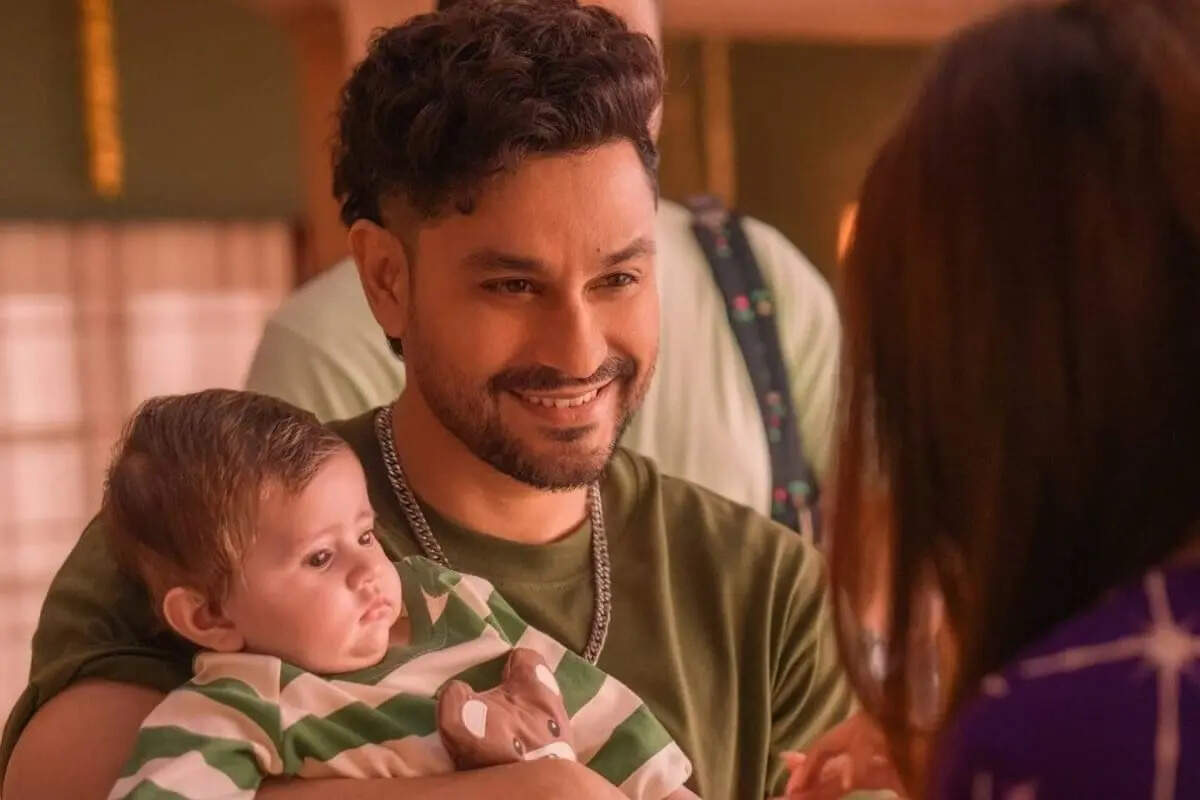
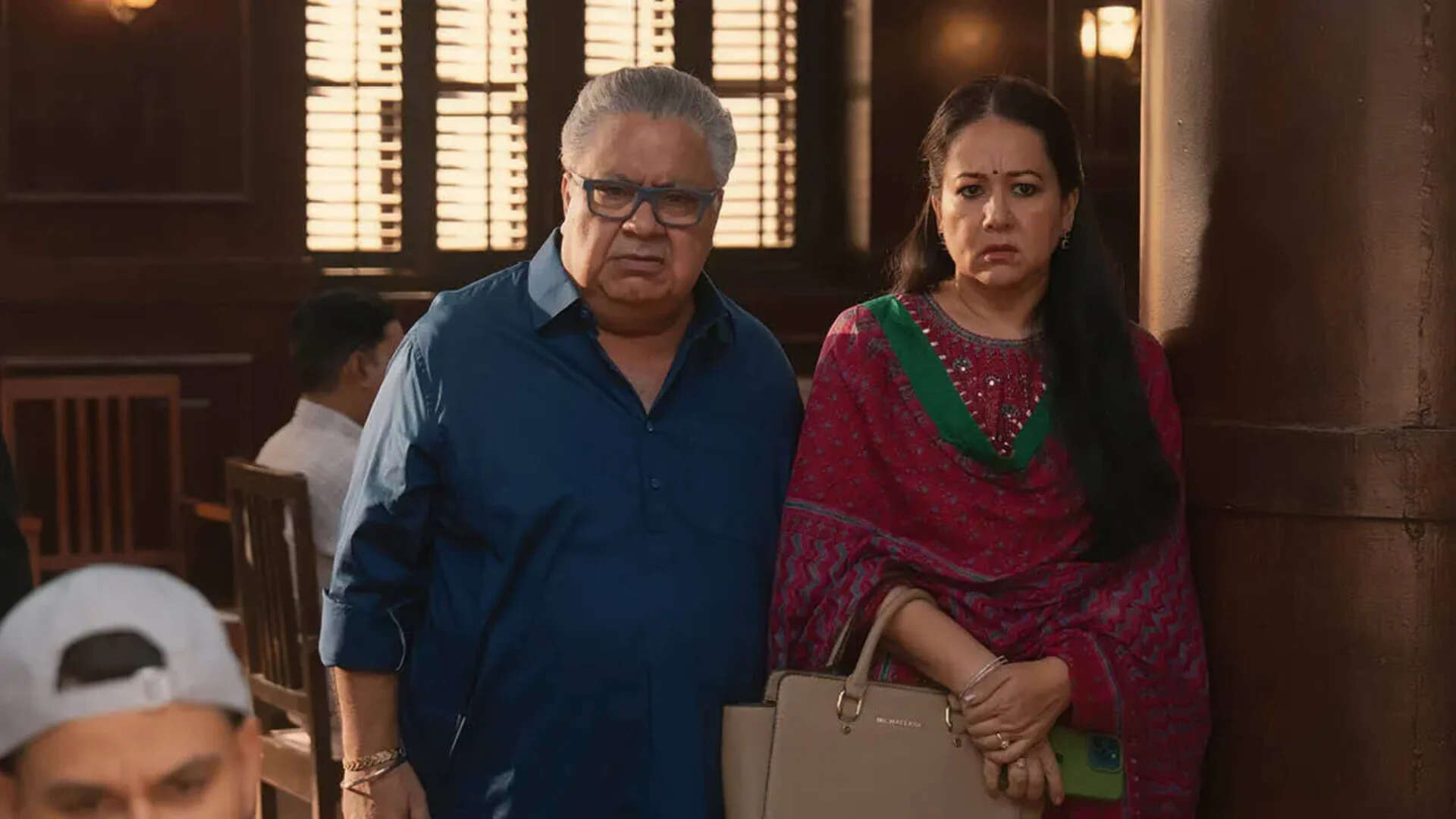
Single Papa features a stellar ensemble cast including Manoj Pahwa, Ayesha Raza and Prajakta Koli amongst others, bringing to life a story that’s as funny as it is full of warmth.
A still from Single Papa