
Green Grapes vs Black Grapes: Which has more antioxidants?
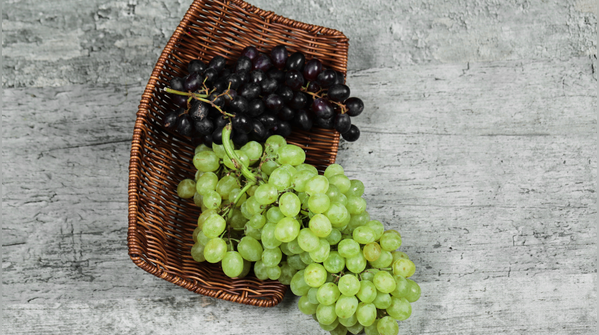
Here’s what really separates Black Grapes from Green Grapes
A bowl of grapes rarely starts a debate at the dining table. Yet nutrition experts have been quietly discussing one question for years: are black grapes healthier than green grapes, or is the difference mostly about taste?
Both varieties carry vitamins, hydration, and natural plant compounds that support the body in different ways. But when antioxidants enter the conversation, black grapes usually take the lead. Their deep colour is not just cosmetic. It signals the presence of anthocyanins and other polyphenols that are linked to heart health, reduced oxidative stress, and cellular protection.
Still, green grapes are far from “less healthy.” They bring their own strengths to the plate, especially when it comes to freshness, lighter sugar perception, and digestive comfort. The real story is more layered than a simple winner-versus-loser comparison.
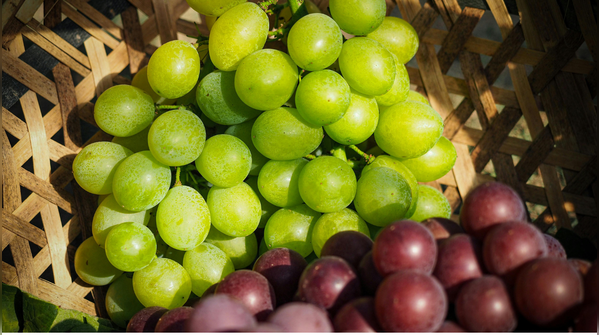
Why colour matters more than people think
The difference between green and black grapes begins in the skin. Black grapes contain dark pigments called anthocyanins, a category of antioxidants also found in blueberries, jamun, and purple cabbage. These compounds help plants defend themselves against environmental stress, and researchers believe they may offer similar protective benefits in the human body.
Green grapes contain antioxidants too, but in smaller amounts of anthocyanins because they lack the darker pigment.
A research review published through the National Institutes of Health (NIH) explains that grapes contain powerful plant compounds such as resveratrol, flavonoids, and polyphenols that may help reduce oxidative stress and inflammation in the body.
Black grapes are especially rich in:
Anthocyanins
Resveratrol
Quercetin
Polyphenols
Green grapes contain:
Flavanols
Vitamin C
Vitamin K
Hydrating natural sugars
That darker skin on black grapes acts almost like a protective shield packed with bioactive compounds. Nutrition scientists often associate these compounds with better heart and brain health.
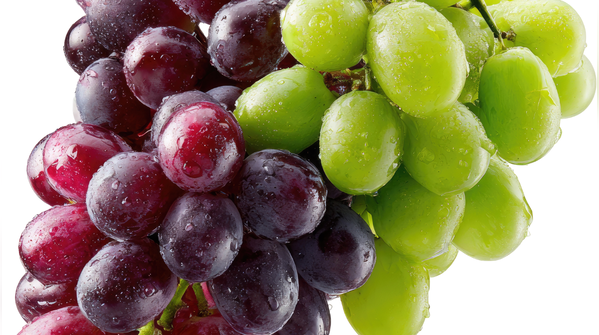
Black grapes and antioxidants: What research actually says
Many wellness trends exaggerate antioxidant claims, but grapes are one of the few fruits with years of detailed research behind them.
Studies published in the https://pmc.ncbi.nlm.nih.gov/articles/PMC5613902/ National Library of Medicine and other government-linked research platforms have shown that darker grapes generally contain higher antioxidant activity because of their anthocyanin concentration.
Resveratrol, one of the most discussed compounds in grapes, is found more abundantly in darker grapes and grape skins. Scientists have explored its potential role in supporting heart health, healthy ageing, and inflammation control. However, researchers also caution that grapes alone are not miracle foods, and many findings are still being studied in humans.
One interesting detail often missed in popular health conversations is that the majority of these antioxidants sit in the grape skin and seeds. Washing grapes thoroughly is important, but peeling them removes a significant portion of their nutritional strength.
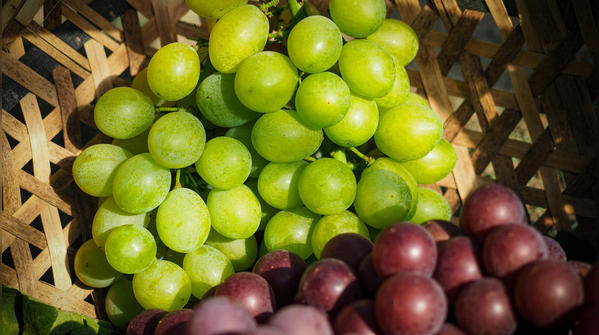
Are green grapes less healthy? Not at all
Green grapes are often unfairly treated as the “lighter” option with fewer benefits. In reality, they remain nutrient-dense fruits with several advantages.
Their crisp texture and slightly tart flavour make them easier for many people to eat regularly. Since healthy eating depends heavily on consistency, that matters more than perfection.
Green grapes provide:
Natural hydration due to high water content
Vitamin C for immune support
Vitamin K for bone health
Copper and potassium in moderate amounts
Quick natural energy from fruit sugars
Some people also find green grapes easier on digestion compared to darker, sweeter grapes. Athletes and active individuals sometimes prefer them as a quick pre-workout snack because they feel lighter.
The healthier choice often depends on the body’s needs, eating habits, and portion sizes rather than colour alone.
The sugar debate around grapes deserves context
Grapes frequently get criticised for being “too sugary,” especially on social media. That claim misses an important nutritional reality.
Yes, grapes contain natural sugars. But they also come packaged with water, fibre, vitamins, and antioxidants. That combination changes how the body processes them compared to sugary desserts or packaged snacks.
A cup of grapes usually contains around 15-23 grams of natural sugar depending on the variety and ripeness. Black grapes can taste sweeter, but the difference is not dramatic.
Nutrition experts generally recommend eating whole grapes instead of grape juices because the fibre slows sugar absorption.
For people managing diabetes or insulin resistance, moderation still matters. Pairing grapes with protein-rich foods such as nuts or yogurt may help balance blood sugar response better than eating large quantities alone.
So, which grape should actually be on the plate?
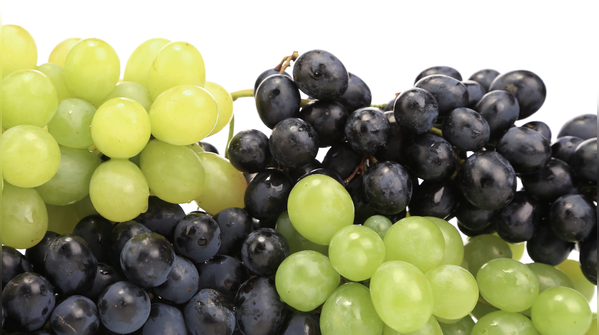
If the focus is strictly on antioxidants, black grapes win by a clear margin. Their anthocyanins and resveratrol content give them stronger antioxidant potential according to current research.
But healthy eating is rarely about a single nutrient. Green grapes remain refreshing, nutritious, and beneficial in their own right.
A practical approach works best:
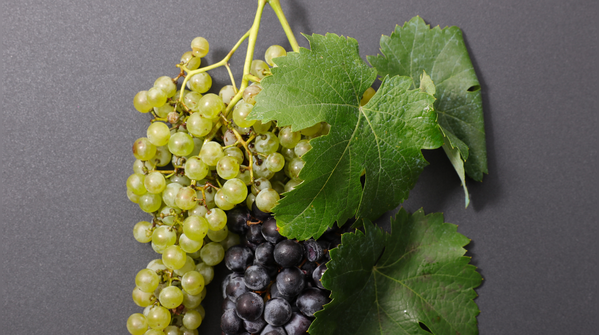
Choose black grapes for higher antioxidant intake
Choose green grapes for lighter flavour and hydration
Rotate both for nutritional variety
The healthiest fruit is often the one that gets eaten regularly instead of sitting untouched in the refrigerator.
Disclaimer: This article is for informational purposes only and does not replace medical advice, diagnosis, or treatment. Nutritional needs vary from person to person. Individuals with diabetes, food sensitivities, or specific medical conditions should consult a qualified healthcare professional or registered dietitian before making major dietary changes.
Featured In etimes

