
- ETimes
- Movies
- Movie Reviews
- Marathi
- Deool Band 2
Deool Band 2
UA3 hrs 2 minsReleased: 21 May, 2026
Marathi
Drama
& Comedy
3.0
Critic's Rating
3.0
Users' Rating
About the Movie
Pravin Tarde’s devotional drama explores faith, atheism and farmers’ struggles through Tukaram and Sangita’s emotional journey. Powered by strong performances from Snehal Tarde and Mohan Joshi, the film raises sharp questions on blind belief before leaning heavily into Swami Samarth devotion. While the first half keeps viewers engaged, the predictable and stretched second half makes this a film that will mainly appeal to devotees.
Cast






Deool Band 2 Movie Review: This one's for the devotees of Swami Samarth

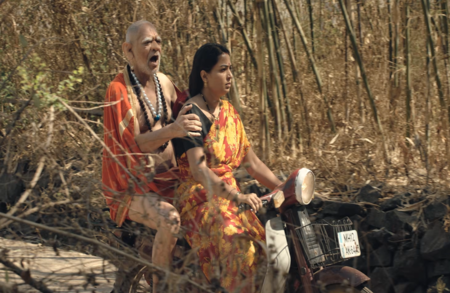
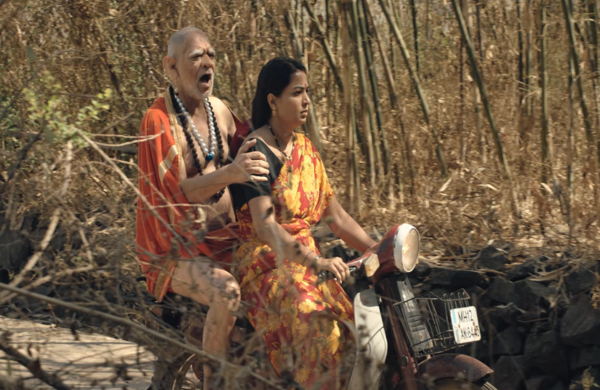
Tukaram (Mangesh Desai), a farmer, does something unexpected when his protest against adulterated fertilisers and seeds doesn't gather the momentum he expects. An ardent devotee of Swami Samarth, Tukaram believes that God will come to his aid. When he doesn't, Tukaram's wife Sangita (Snehal Tarde) takes it upon herself to test Swami Samarth. What follows is an interesting take on belief, blind faith and atheism. But like its first part, Deool Band 2 follows a predictable narrative, one that we all know will end in justifying the omnipresent Swami Samarth. Like every Pravin Tarde movie, Deool Band 2 is packed with the who's who of the industry making appearances (Mahesh Manjrekar, Prasad Oak, Om Bhutkar et al), hard-hitting dialogues and dramatic twists and turns. But everything boils down to devotion and acceptance of the presence of the divine entity. What Tarde does here is that he humanises the divine to make him understand the issues plaguing farmers and come up with a solution without any magical prowess. This part works well for the larger audience as the film poses some sharp and pointed questions about belief from the perspective of Sangita, an atheist who unleashes her wrath on Swami Samarth. Till the interval, Deool Band 2 holds your attention. From there on it becomes a means of propagating the belief people have in Swami Samarth. Given the genre, this isn't surprising, especially for people of faith, but from a moviegoer's point of view, the film becomes a stretched watch after the first half's turning point. The atheist vs God Mexican standoff between Sneha Tarde and Mohan Joshi's characters give viewers some of the best moments of the film. Both actors deliver their best. While Tarde is on point with her questions, Joshi infuses humour and drama in his performance to drive a point home. At the core of Deool Band 2 are two of Pravin Tarde's strongholds - his affinity to portraying issues of farmers and the devotion of Swami Samarth. The film conveniently offers some easy answers to difficult problems and tries to justify them with the humanising of a God-like figure. In the end though, this one is purely for the bhakts.
User Reviews
0/1500
Post ReviewTrailer

Deool Band 2 - Official Trailer
Videos

Deool Band 2 - Official Trailer

Deool Band 2 - Official Teaser
Photos



1 More Photos
Latest Movie Reviews



Hot on the Web
Swaroop Sampat RawalR MadhavanRanbir KapoorRent Hike RulesAamir KhanMohanlalVedang RainaTraditional Indian FoodsDhurandhar 2 OTT ReleaseJyotikaDrishyam 3 Box Office CollectionAishwarya Rai BachchanVinod KhannaDeepika PadukoneKavya MaranChand Mera Dil Box Office CollectionNiranjana DesaiElon Musk QuoteUnique Fruit TreesKaruppu Box Office CollectionDhurandhar 2Abhijeet DipkePopular FoodSnake Parks in IndiaKangana RanautHemant ModiBaby NamesDhurandhar 2 Box Office CollectionRaja Shivaji Box Office CollectionHoroscope TodayCuba Drone ThreatFatah 3 VS BrahmosUS Powerball LotteryRajnath SinghUAE Nuclear PlantSanjeev AroraNyt ConnectionsEpic Fury 2.0Legal Document PropertySuryastraS 400Captions For Instagram Posts
Trending Topics
Latest MoviesBollywood MoviesHollywood MoviesTamil Movies 2026Telugu Movies 2026Malayalam Movies 2026Kannada MoviesMarathi MoviesBengali Movies 2026Top Rated Movies 2026Best Hindi MoviesBest English MoviesBest Telugu MoviesBest Tamil MoviesBest Malayalam MoviesBest Kannada MoviesBest Bengali MoviesUpcoming Hindi MoviesBest Movies Of All TimeBest Hindi Movies of All TimeLatest English MoviesLatest Malayalam MoviesEnglish TV NewsTamil TV NewsTelugu TV NewsMalayalam TV NewsKannada TV NewsMovie ReviewsBhojpuri Cinema NewsGujarati Cinema News
Popular Categories
Viral NewsK Pop NewsWeb Series NewsAnime NewsUpcoming English MoviesUpcoming Tamil MoviesUpcoming Telugu MoviesUpcoming Malayalam MoviesUpcoming Kannada MoviesFashion TipsTravel NewsEntertainment NewsBollywood NewsTollywood NewsKollywood NewsMollywood NewsFood NewsLatest Hindi MoviesLatest Tamil MoviesParenting TipsHome RemediesWeight LossBeauty TipsParenting TipsHindi VideosHindi Video SongsBhojpuri Music VideosLatest Telugu MoviesBhojpuri Music VideoHindi TV News
Latest News
Hazaribag man drowns while fishing in lake"Behen Darr Gayi!": Fans relive ‘Bhagam Bhag’ era after watching Akshay Kumar's 'Bhooth Bangla' trailerMBOSE HSLC result 2026 to release tomorrow: Check details hereIran war risk: JPMorgan CEO Jamie Dimon warns of oil shocks, sticky inflation and higher interest ratesMake your clutch last longer with these easy driving tips“Three-against-one situation”: El Rubius opens up on being “targeted” in MrBeast’s viral $1M challengeBihar BTSC lab assistant notification released for 1091 posts at btsc.bihar.gov.in; apply hereIPL craze costs techie Rs 1.46 lakh in fake RCB vs CSK ticket scamRaising “robot-proof” kids: Why creativity and curiosity matter more than everInside ‘Satguru Sharan’: Exploring Saif Ali Khan and Kareena Kapoor Khan’s Rs 100 crore Bandra homeHow selling Alaska in 1867 was a costly mistake for Russia'Hera Pheri 3 is coming': Paresh Rawal dismisses delay reports and reveals he will 'start shooting soon'US-Iran War: A daring rescue Hollywood blockbuster is on its way. Till then, pick your favourite from these 10 films on bringing someone home against all oddsKolkata team unveils fan mural at Rash Behari Avenue, celebrating city’s first loveHow US spread a lie to rescue a pilot of a jet shot down in IranNetflix unveils ‘VOID’, an AI model that can change a movie plotAI data centers are causing 'stress' not just to tech companies, but also private insurers"Trans women are.....": Clavicular’s viral moment with trans women sparks fresh conversation on internet culture