
- News
- etimes
- animals-pets
- 10 surprising facts about gharials that make them different from other crocodilians
10 surprising facts about gharials that make them different from other crocodilians
10 surprising facts about gharials
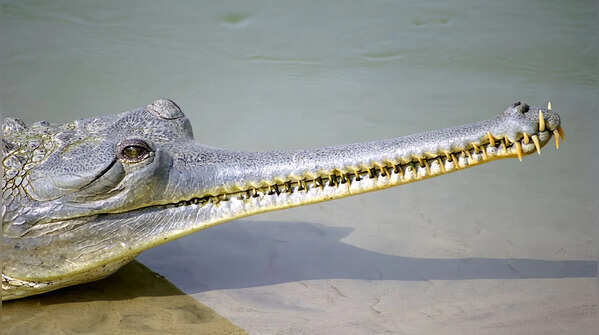
When people think of crocodilians, gharials are often overlooked. But these long-snouted reptiles are among the most unusual animals found in South Asia’s river systems. Highly adapted to life in freshwater, gharials have several features and behaviours that make them different from other crocodilians. Here are 10 lesser-known facts about gharials that may surprise you.
Images: Canva (for representative purposes only)
They are one of the three crocodilian species found in India
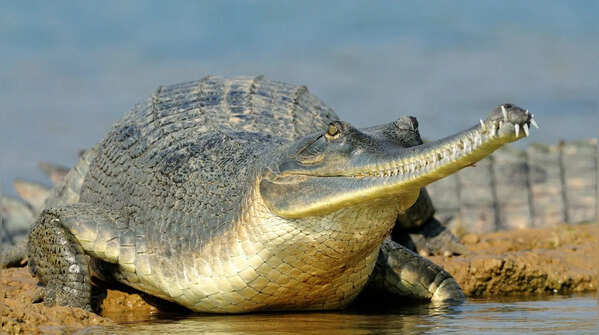
India is home to the mugger crocodile, saltwater crocodile, and gharial. Among them, the gharial is the most specialized for life in freshwater rivers and spends much of its time in the water.
Gharials are mainly fish-eaters
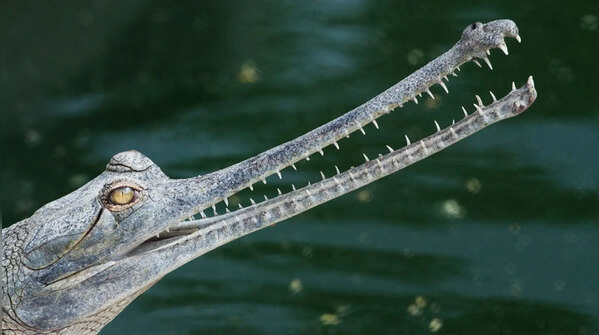
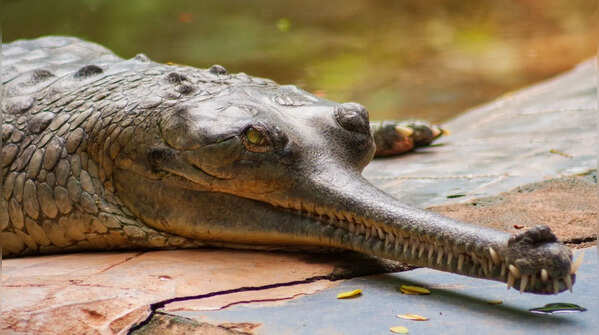
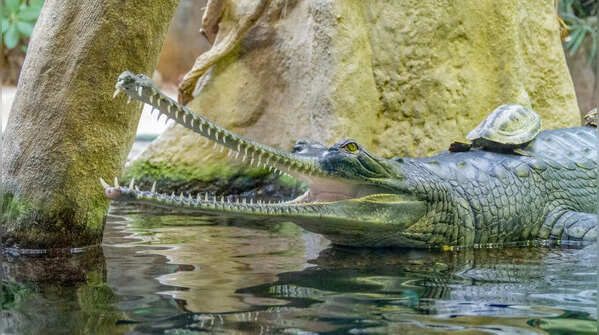
Adult gharials primarily feed on fish, unlike many crocodiles, which hunt a wider range of prey. Their long, narrow snout helps them catch fish quickly in the water. Younger gharials may also eat insects, crustaceans, and amphibians.
Their snout changes as they grow
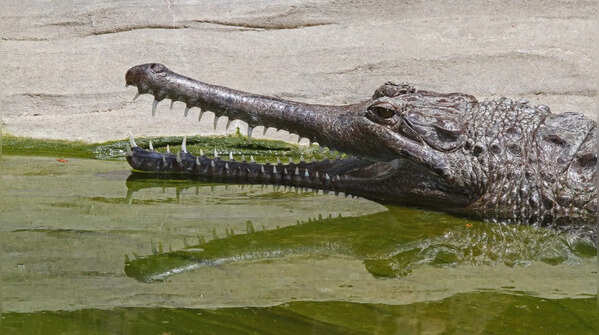
Young gharials have relatively broader snouts. As they mature, especially males, the snout becomes longer and narrower, making it better suited for catching fish.
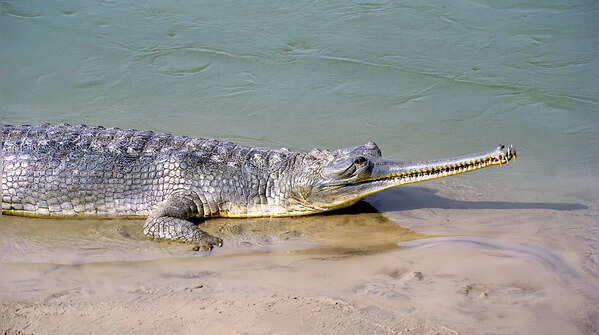
Adult males develop a “ghara” on their snout
Mature male gharials grow a rounded bump near the tip of the snout called a “ghara,” named after an Indian earthen pot. Scientists believe it helps amplify sounds, produces bubbling displays, and may play a role in attracting mates during breeding season.
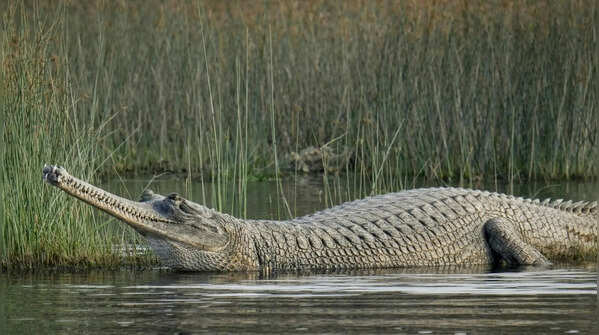
They can grow over 5 meters long
Male gharials are among the longest crocodilian reptiles in the world. Large adults can exceed 5 meters in length, although such individuals are uncommon today.
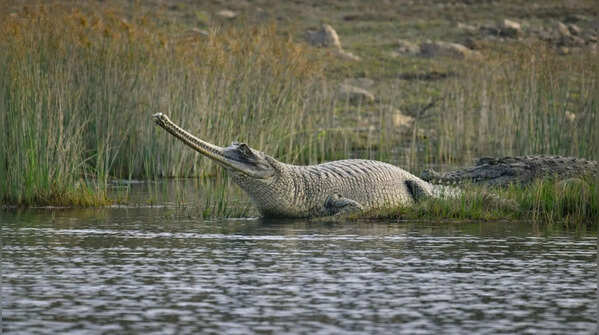
They are not well adapted for moving on land
Compared to many crocodiles, gharials spend far more time in water and are less efficient at moving on land because of their body structure and weaker leg musculature.
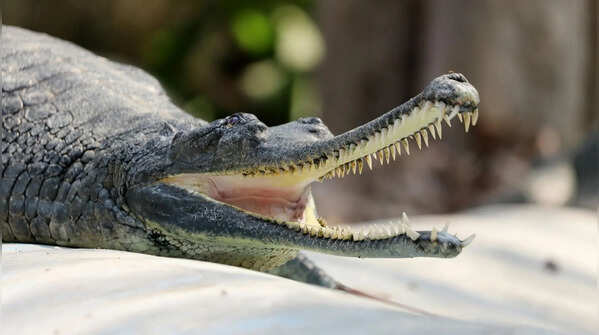
Female gharials can lay dozens of eggs at a time
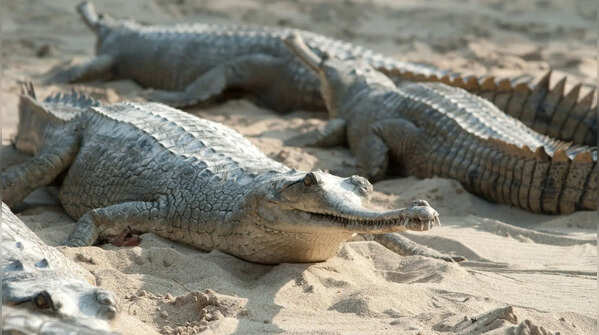
During breeding season, females dig nests in sandy riverbanks and usually lay around 30 to 60 eggs, although clutch size can vary depending on age and size.
Unlike many crocodilians, they are not known to commonly carry hatchlings in their mouths
Many crocodilian species transport hatchlings in their mouths after birth. Gharials are generally not known to do this, likely because their narrow snouts are less suited for carrying young in the same way.

Their population declined sharply during the 20th century
Hunting, habitat loss, river pollution, dams, sand mining, fishing nets, and other human activities caused a major decline in gharial populations across South Asia.
Most wild gharials now survive in only a limited number of river systems
Wild populations are largely concentrated in parts of India and Nepal today, making conservation programs important for the species’ long-term survival.
Why gharials matter
Gharials are considered indicators of healthy river ecosystems. Their presence often reflects functioning freshwater habitats and stable fish populations. Protecting gharials also helps protect rivers that support many other species.
Featured In etimes

