
- News
- etimes
- animals-pets
- 5 deadliest insects on the planet: Small creatures with a massive global impact
5 deadliest insects on the planet: Small creatures with a massive global impact
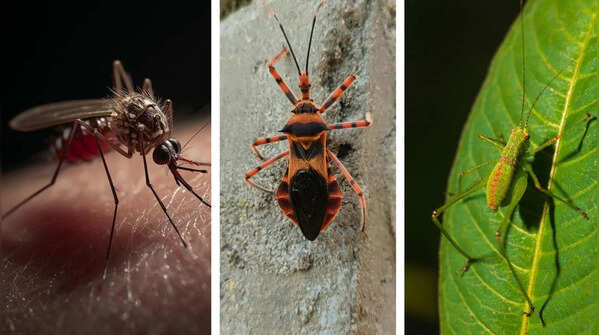
5 deadliest insects on the planet
Most of us don’t think twice before brushing away an insect. They’re small, familiar, and often just part of everyday surroundings. But in reality, some of the world’s most dangerous organisms are insects – not because they look threatening, but because of what they carry, how they behave, and the way they interact with human life.
The surprising part is that very few of them actually “attack” in the dramatic sense. Their danger is usually indirect, but still serious enough to affect millions of people worldwide.
Here are five insects that consistently rank among the most dangerous on Earth.
Images: Canva (for representative purposes only)
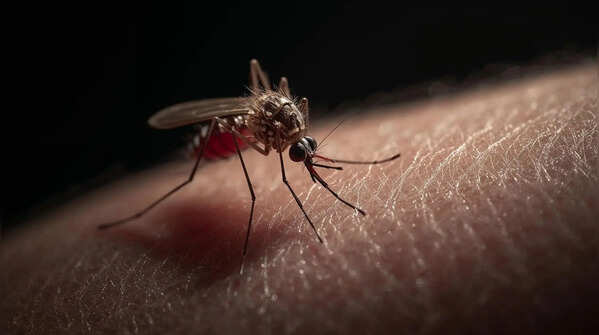
Mosquito
If there is one insect that tops every global list, it is the mosquito. Not because of strength or aggression, but because of disease transmission.
Mosquitoes spread malaria, dengue, chikungunya, the Zika virus, and yellow fever. Malaria alone continues to cause a very large number of deaths every year globally, especially in tropical and subtropical regions.
What makes mosquitoes particularly hard to control is how easily they adapt to human environments. Even a small amount of stagnant water is enough for breeding, which is why they remain such a persistent public health challenge.
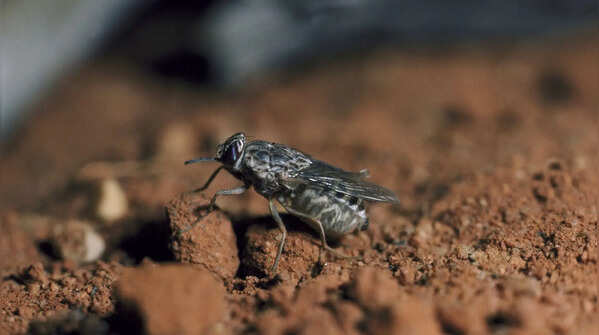
Tsetse fly
The tsetse fly is mostly found in sub-Saharan Africa and is known for transmitting sleeping sickness (human African trypanosomiasis).
It doesn’t infect people through aggression or repeated attacks – a single bite can be enough to transmit the parasite. If untreated, the disease can affect the nervous system and become life-threatening.
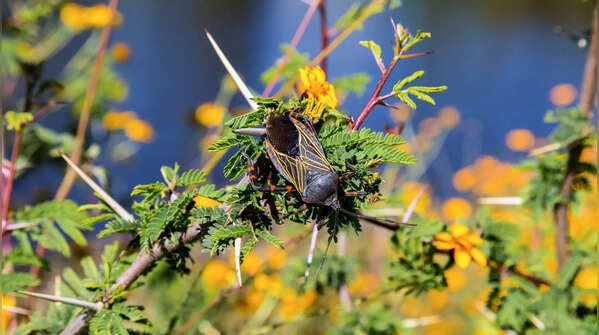
Kissing bug
Despite its unusual name, the kissing bug is far from harmless. It typically bites near the mouth or eyes while a person is asleep, which is why the name sounds almost misleadingly gentle.
Its danger lies in transmitting the parasite responsible for Chagas disease. The illness often develops slowly, and in some cases, people may not realize they are infected for years.
Over time, however, it can lead to serious heart and digestive complications if not treated.
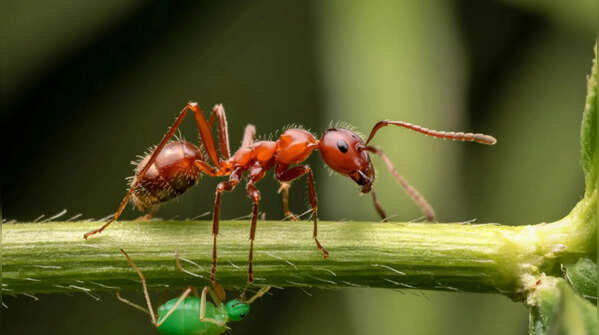
Fire ants
Fire ants are not dangerous because of a single sting – it’s what happens when there are many of them.
They react quickly when their nest is disturbed, and multiple ants can sting repeatedly in a short span of time. The sting causes a sharp burning sensation, followed by swelling and irritation.
In allergic individuals or in cases of repeated stings, the reaction can become much more serious.
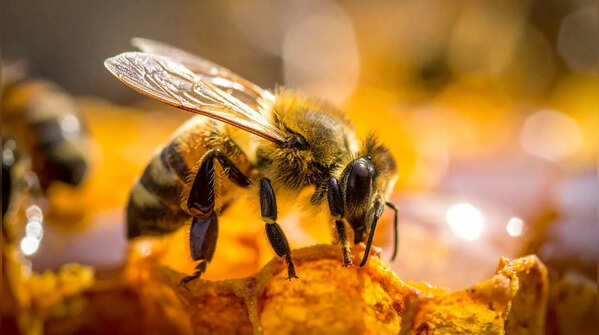
Africanized honeybees
Often called “killer bees,” Africanized honeybees are not a separate species but a hybrid of African and European honeybees.
They are not naturally out to attack humans, but they are far more sensitive to disturbance. When they feel threatened, they can react in large numbers and pursue perceived threats over longer distances than typical honeybees.
The main danger comes from multiple stings, especially for people with allergies or in rare swarm situations.
Featured In etimes

