
- News
- etimes
- animals-pets
- Common snakes found in Florida and how to keep them away from home and garden
Common snakes found in Florida and how to keep them away from home and garden
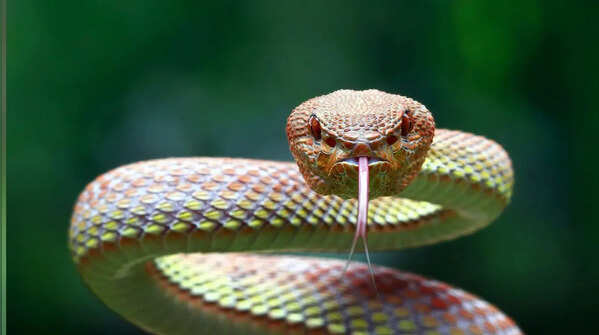
Common snakes found in Florida and how to keep them away from home and garden
Florida is home to a diverse ecosystem and is home to around 50 native snake species. While a vast majority of these reptiles are non-venomous and are a part of natural ecosystems and also control pests by eating rodents and insects, encountering one in your backyard can still be an unsettling experience. Understanding which species are common and taking a few proactive steps to modify your landscape can help you peacefully coexist with Florida’s wildlife while keeping your immediate home and garden snake-free.
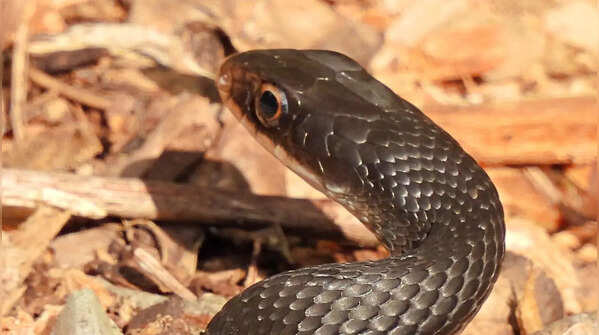
The Southern Black Racer
The North American Racer (Coluber constrictor) is arguably the most common snake spotted in Florida neighborhoods. Growing up to six feet long, these snakes are slender, highly active during the day, and jet-black with a distinctive white chin. They are incredibly fast, completely harmless to humans, and actively hunt down rodents, frogs, and lizards in lawns and gardens.
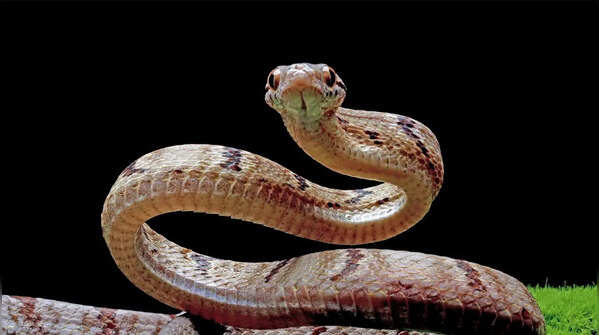
The Corn Snake (Red Rat Snake)
People often get the corn snake mixed up with the copperhead because of its colors. This snake is actually a very calm and gentle snake in terms of its nature; it has a pattern with reddish-orange spots and a black and white belly. The corn snake is great at climbing. You can find it near old buildings or in gardens where it likes to hunt for mice.
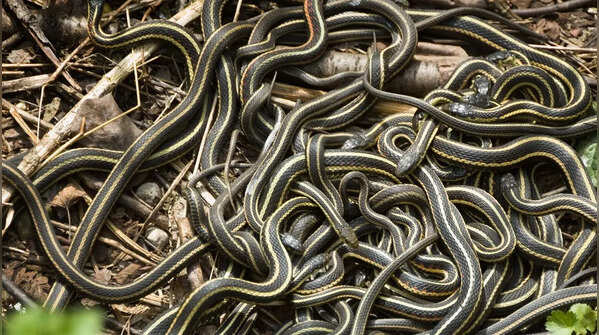
The Garter and Ribbon Snakes
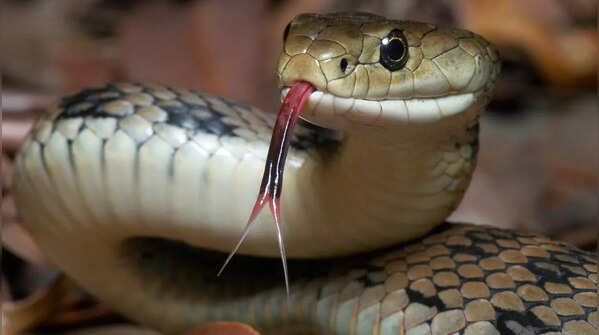
The Garter and Ribbon Snakes are small. Do not hurt anyone. You can usually find them in gardens or near ponds. They have yellow or green stripes on their bodies. The Garter and ribbon snakes eat frogs and insects, which makes them very helpful in the garden.
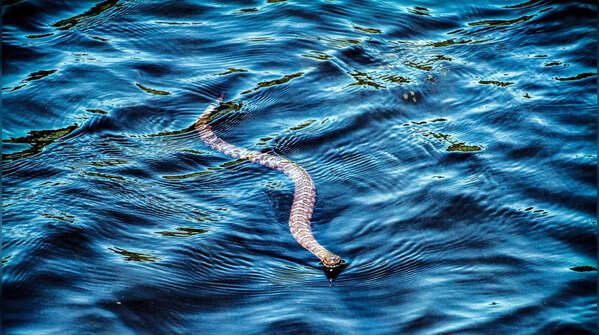
The Cottonmouth (Water Moccasin)
The Cottonmouth is a snake that lives in the water. It likes to stay in places like swamps or near lakes. The Cottonmouth is dark brown or black. Has a special mark on its face. When it feels scared it will open its mouth wide to show the white inside. This is like a warning sign.
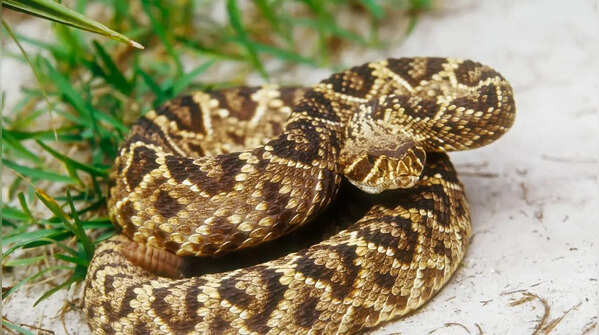
The Eastern Diamondback Rattlesnake
This is the largest venomous snake in North America, recognizable by the heavy, thick body and the distinct chain of dark, diamond-shaped markings down its back. Found in dry fields and palmetto flatwoods, it will typically try to avoid humans, sounding its iconic tail rattle only when it feels cornered or stepped on.
How to keep snakes away from your home and garden
Snakes are deeply afraid of aerial predators like hawks and owls, meaning they actively avoid open spaces. By keeping your grass cut short, you eliminate the camouflage they rely on to move around safely. A well-manicured lawn forces snakes to stay closer to natural wooded boundaries and away from your porch.
Eliminate Ground-Level Hiding Places
Your backyard can unwittingly become a luxury snake hotel if it is cluttered. Clear out piles of yard debris, leaves, and cut lumber, and store necessary firewood neatly on elevated racks off the ground. Additionally, trim the lower branches of your shrubs and bushes about two feet off the ground so snakes cannot hide underneath them.
Seal Entry Points to the House
An energy audit or a close inspection around your home's perimeter can reveal small gaps where snakes might enter. Use exterior caulk, expanding foam, or heavy-duty hardware cloth to seal cracks in your foundation, gaps under doorways, and openings around outdoor utility pipes and vents.
Cut Off Their Food Supply
Snakes will only stay in your yard if there is something to eat. Prevent rodent infestations by storing birdseed, chicken feed, and outdoor pet food in tightly sealed, heavy-duty metal bins. Clean up fallen fruit or spilled seeds immediately, as these invite mice, which in turn invite hungry snakes.
Featured In etimes

