
- News
- lifestyle
- home-garden
- Indian kitchen decor that secretly make homes healthier
Indian kitchen decor that secretly make homes healthier
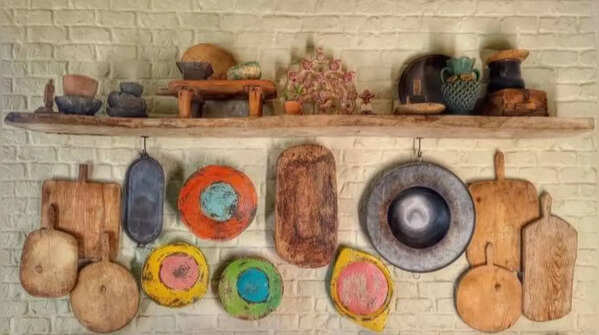
Indian kitchen decor that secretly make homes healthier
Traditionally, Indian kitchens have not only been built to cook food but also to serve purposes such as heating spaces, family gatherings, and even relaxation. Many Indian kitchens contain hidden yet healthy features that contribute to improved living conditions without necessarily drawing much attention from residents. These include aspects such as indoor ventilation, natural herbs, organized storage, and use of copper utensils, among others. Modern Indians have recently adopted Indian kitchen design features while building their modern houses. Here are six Indian kitchen decor components that may unknowingly result in a healthier lifestyle.
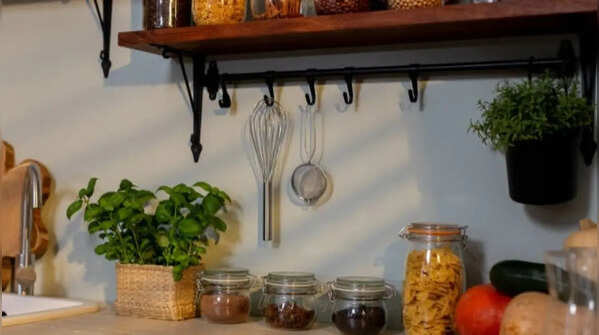
Indoor herb corners promote healthier cooking practices
Many modern Indian houses include small gardens with fresh herbs such as mint, curry leaves, coriander, basil, and green chillies in kitchen areas for easy access. Besides making kitchens look greener, these indoor herb gardens promote fresher food preparation within households. These gardens require little space and maintenance; hence, many urban homeowners incorporate them into apartment kitchens easily.
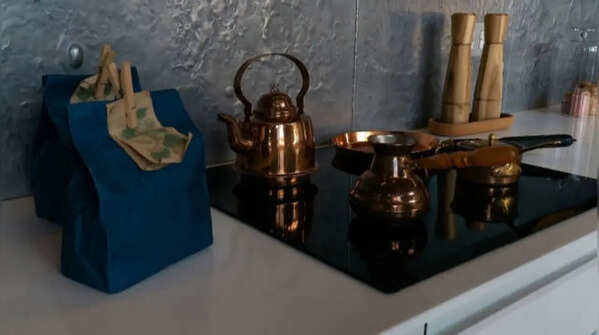
A copper water vessel is a traditional yet culturally rich component
Many Indian households store water in copper containers as an ancient practice in addition to its decorative function in kitchen spaces. Apart from the decorative purpose, copper products can be regarded as traditional and cultural kitchen components since they connect today's house to traditional Indian designs. The warm metallic look of these vessels is one reason why modern Indian homeowners incorporate them into their homes.
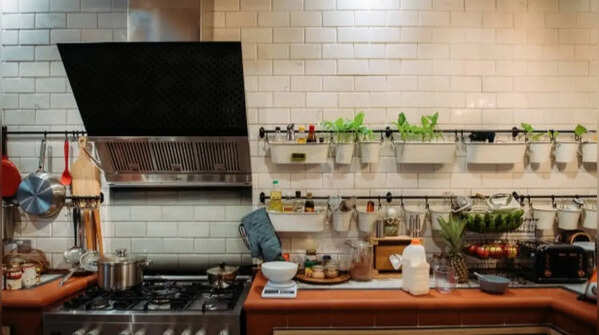
Natural ventilation helps keep kitchens fresh and free
Most traditional Indian kitchens have ventilation areas such as windows and exhaust areas in kitchen spaces for ventilation of smoke, heat, and cooking aromas. Ventilation is extremely important in current Indian kitchens due to the benefits associated with it in keeping kitchen spaces fresh and clean. Well-ventilated kitchen spaces are brighter and comfortable to cook in than poorly ventilated enclosed spaces.
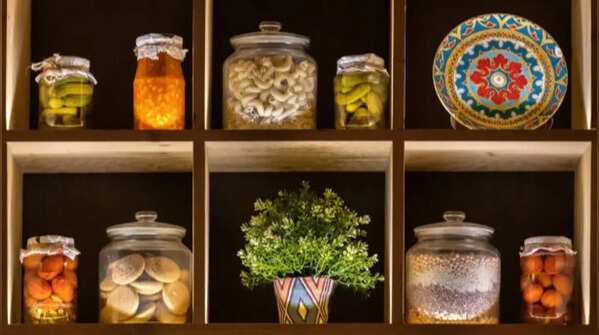
Spices' organized storage promotes cleanliness in kitchen spaces
India is well known for the wide variety of spices used to prepare food within their kitchens. Proper storage of spices prevents kitchen spaces from becoming too cluttered with ingredients for cooking. Traditional Indian spice racks, mostly made of steel, wood, and glass containers, prevent kitchen spaces from getting messy when cooking.
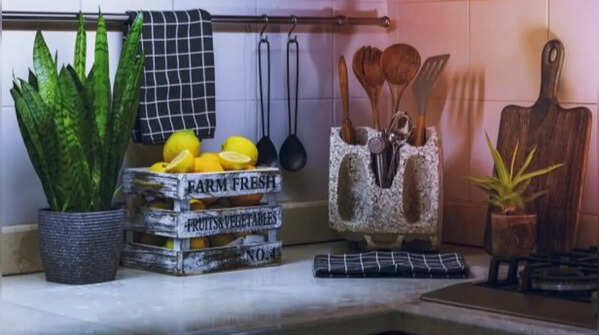
Using natural materials promotes calmer interior design
Recently, many modern Indian kitchens use natural materials in creating kitchen decor. Examples of these materials include wooden shelves, clay pots, and cane baskets, among others. Such materials give kitchens a warmer look rather than looking artificial; hence, homeowners love incorporating them into their kitchen designs.
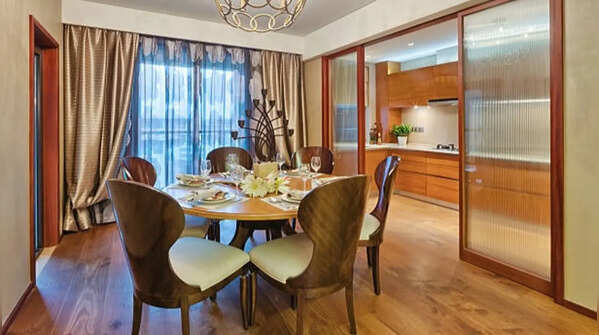
Dining spaces within kitchen interiors promote family connections
In most Indian homes, dining areas are located in kitchen spaces, allowing individuals to come closer during mealtimes for better interaction. Some Indian households incorporate small breakfast corners in their kitchen interiors, promoting a sense of relaxation among family members during meal times.
Disclaimer:
This article is for general informational and lifestyle awareness purposes only. The health-related benefits associated with kitchen decor, ventilation, herbs, utensils, or traditional materials may vary depending on individual lifestyle, hygiene practices, environmental conditions, and household maintenance. Decorative elements alone do not guarantee improved physical or mental health outcomes. Readers are advised to consult qualified interior designers, nutrition experts, or healthcare professionals for personalised guidance related to healthy living environments and dietary practices.
Featured In lifestyle

MORE FROM ETIMES
life & style