
5 White foods you must avoid for good health

5 White foods you must avoid for good health
For years, health experts and nutritionists have vouched for striking out white foods. Yes, this may seem bizarre, as most of these foods have been a staple in our day-to-day diet, but as per science, these foods may be the real reason behind most of your health disorders and ailments. Read on to know more…

Why white foods?
When it comes to white foods, there are so many natural foods that are white in color, such as cauliflower, garlic, onion and radish, that are known for their fiber and nutrients. But these are not the ones to avoid; the phrase "white foods" generally refers to heavily processed, refined items that have been stripped of their natural fiber, vitamins, and minerals. When you consume these highly refined items, your body digests them incredibly fast, leading to sharp blood sugar spikes and inevitable energy crashes. If you are looking to clean up your diet, boost your energy, and protect your long-term health, here are five processed white foods you should consider cutting back on.
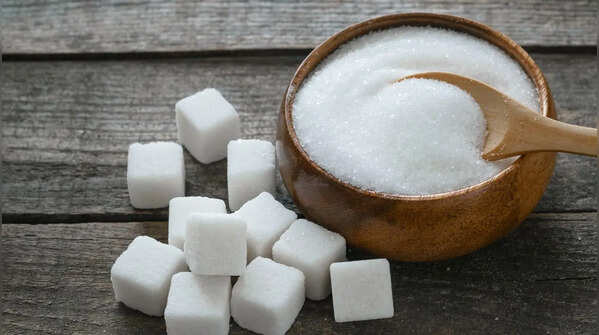
Granulated white sugar
It is no secret that sugar isn't great for us, but granulated white sugar is arguably the most empty source of calories in the modern diet. Whether it comes from sugar cane or sugar beets, the refining process strips away every single trace of plant nutrients, leaving behind pure sucrose. Consuming too much white sugar is directly linked to chronic inflammation, weight gain, and an increased risk of type 2 diabetes and heart disease. It hides in everything from your morning coffee to store-bought pasta sauces and salad dressings. Cutting back on white sugar—and relying instead on small amounts of natural sweeteners like raw honey or whole fruits—is one of the fastest ways to improve your metabolic health.
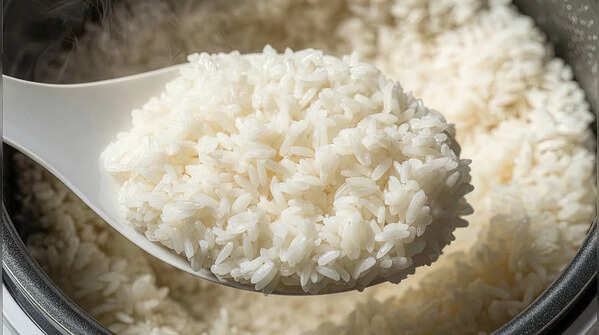
White rice
White rice is a staple in households all over the world, but the process used to make it white robs it of its nutritional value. White rice starts out as brown rice. To give it a longer shelf life and a softer texture, manufacturers mill the grain, removing the outer husk, bran, and germ. The problem is that the bran and germ are exactly where the fiber, B vitamins, and iron live. Without them, white rice becomes a simple carbohydrate. The body breaks it down into glucose almost instantly, causing a rapid spike in your blood sugar levels. Switching to brown rice, quinoa, or wild rice keeps your digestion slow and steady, keeping you full for much longer.
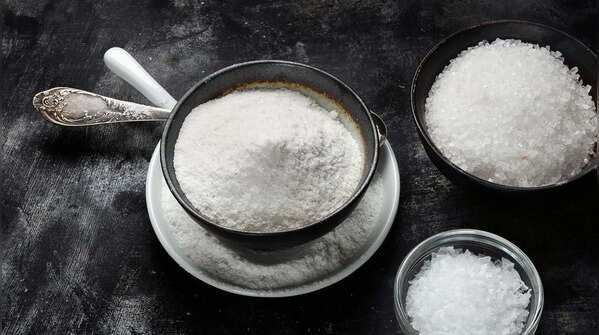
The regular white salt
While our bodies absolutely need sodium to function, the standard white table salt found in most shakers is a far cry from its natural state. Commercial table salt is heavily mined, chemically cleaned, and heated to extreme temperatures, which strips away beneficial trace minerals like potassium, magnesium, and calcium.To prevent clumping, manufacturers often add anti-caking agents to the final product. Eating much salt that is highly processed can cause your body to hold onto water and your blood sugar to go up which is not good for your heart. When you can try using a kind of salt instead of the regular table salt, like Celtic sea salt or pink Himalayan salt because these salts still have the good things that are naturally in them.

White potatoes
People often talk badly about potatoes but they actually have some good things in them like potassium and vitamin C. The problem with potatoes is that they can make your blood sugar go up really fast and we usually cook them in ways that are not good for us. In the standard American diet, white potatoes are rarely eaten whole; they are usually peeled, boiled, mashed with heavy cream and butter, or deep-fried in inflammatory vegetable oils. When you remove the skin, you lose most of the fiber. When you fry them, you load them with unhealthy fats and excess calories. If you love potatoes, try switching to sweet potatoes, which have a lower glycemic index and are packed with beta-carotene. If you do stick with white potatoes, leave the skins on and roast or bake them instead of frying them.

White bread
Much like white rice, traditional white bread is made from flour that has been heavily processed. The wheat milling process strips away the nutrient-dense parts of the grain, leaving behind a fine flour that is often chemically bleached. Because white bread has virtually zero fiber, eating a slice is metabolically very similar to eating a spoonful of sugar. It causes a quick burst of energy followed by a sluggish crash, which triggers cravings for more carbs shortly after. Opting for 100% whole grain or sprouted breads ensures you are getting the complex carbohydrates your body actually needs for sustained fuel.
Featured In etimes

