
- News
- etimes
- animals-pets
- Snakes of Texas: Common species found, how to identify them, and how to stay safe
Snakes of Texas: Common species found, how to identify them, and how to stay safe
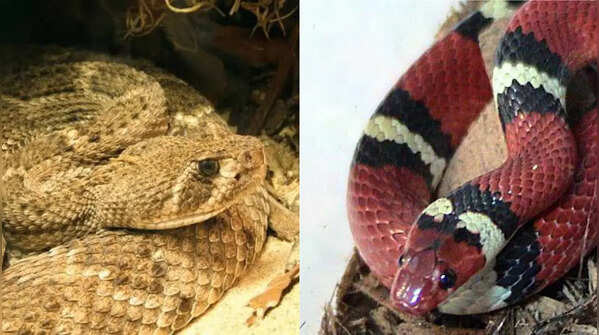
Snakes of Texas: Common species found, how to identify them, and how to stay safe
More than one hundred snake species and subspecies live in Texas. However, not all of them are venomous. For the majority of species, the only harm that they pose to humans is being shy and preferring remote places. Snakes are beneficial animals because they keep rodent populations under control. Learning about the species you might run into will help you remain safe.
(Photos from Shutterstock)
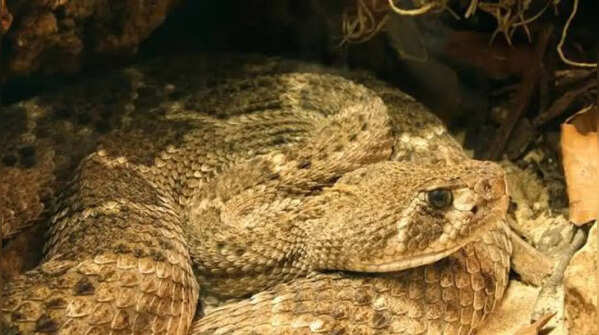
Western diamondback rattlesnake
The Western Diamondback Rattlesnake is the most widespread venomous snake in Texas. This animal has adapted to living in desert, grassy, and rocky habitats as well as near human dwellings. Western Diamondback Rattlesnake received its name due to diamond-shaped dark marks along its back. Additionally, this species has black and white tail bands as well as a rattle on the tail, which makes noise when the snake is under stress. Adult Western Diamondback Rattlesnakes may vary in size from 3 to 5 feet. Despite its potential danger, the snake prefers avoiding people.
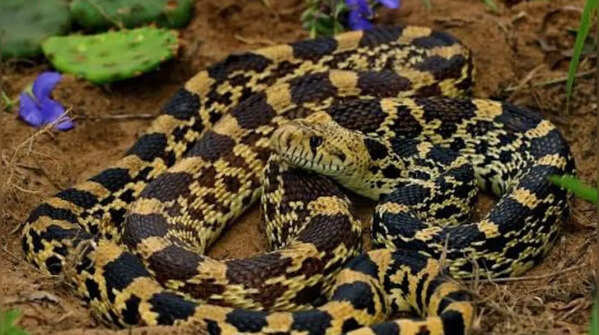
Bullsnake
One of the biggest nonvenomous snakes in Texas, the bullsnakes usually grow to more than six feet in length. They have a tan or light yellow color body with dark blotches that confuse people into believing they are rattlesnakes. When threatened, the bullsnakes produce loud hissing sounds, expand their head, and rattle their tail against dried plants making a similar noise. Despite their bluff, the bullsnakes are quite safe and are helpful in keeping rodent populations in check.
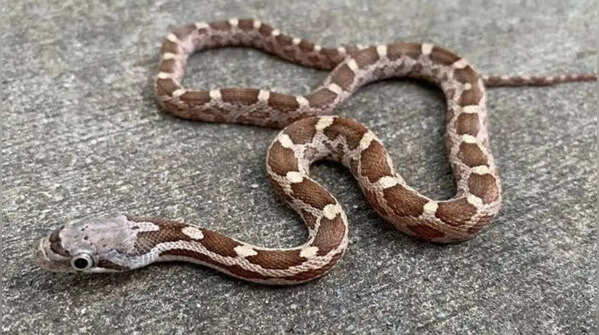
Texas coral snake
One of the most notable venomous snakes found in Texas is the Texas Coral Snake. In contrast to rattlesnakes, copperheads, and cottonmouths, which are all members of the pit viper family, coral snakes belong to the cobra family. They are slim and small-sized snakes, mostly spending their lives under leaf litter, logs, or loose dirt. Their body colors include red, yellow, and black. One identifying feature is that their red and yellow bands touch each other. Although they rarely contact humans, you must stay away from them because their venom is dangerous.
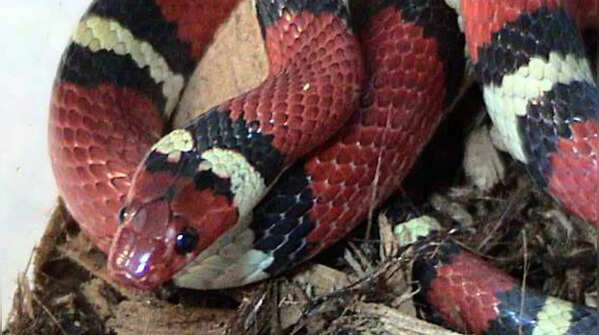
Kingsnake
The kingsnakes make another popular variety of nonvenomous snakes and are very useful because they usually eat other snakes, including the venomous species. The kingsnakes usually possess impressive patterns that involve bands, spots, and chain marks. Being immune to the venom of some snake species, they easily hunt the dangerous snakes that others cannot hunt. Quiet and friendly snakes, the kingsnakes represent one of the most useful snakes in Texas.
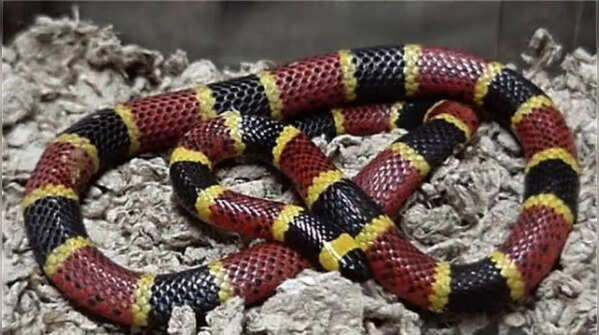
Texas rat snake
Texas rat snakes belong to the group of common snakes in Texas and are usually found on farmlands, open fields, forests, and residential areas. Their color is quite diverse and changes from gray, brown to almost black. Primarily, rat snakes feed on rodents, which benefits the farmers and landowners. Rat snakes protect themselves from predators by coiling up, vibrating their tail, or flattening their bodies, which does not make them dangerous to people.
Featured In etimes

