Trending
What to do if you see a cobra: Safety tips and first aid guide
Encountering a cobra, especially in regions like India, requires a calm and informed response. Cobras are generally shy but will strike if threatened. Staying still, avoiding eye contact, and providing an escape route are crucial. If bitten, seek immediate medical attention and avoid actions like tourniquets or venom extraction. Preventive measures include maintaining cleanliness and sealing entry points.
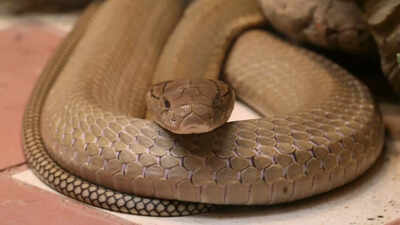
Understanding Cobras and their behaviour
What to do if you encounter a cobra
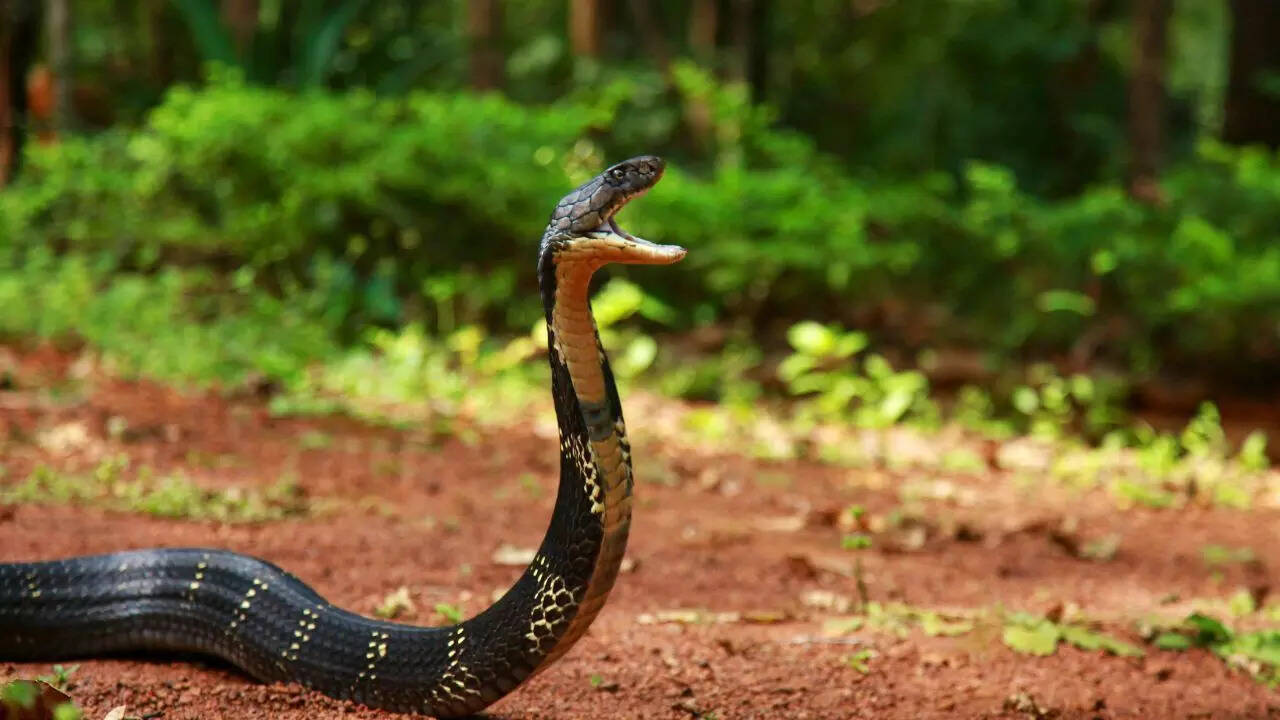
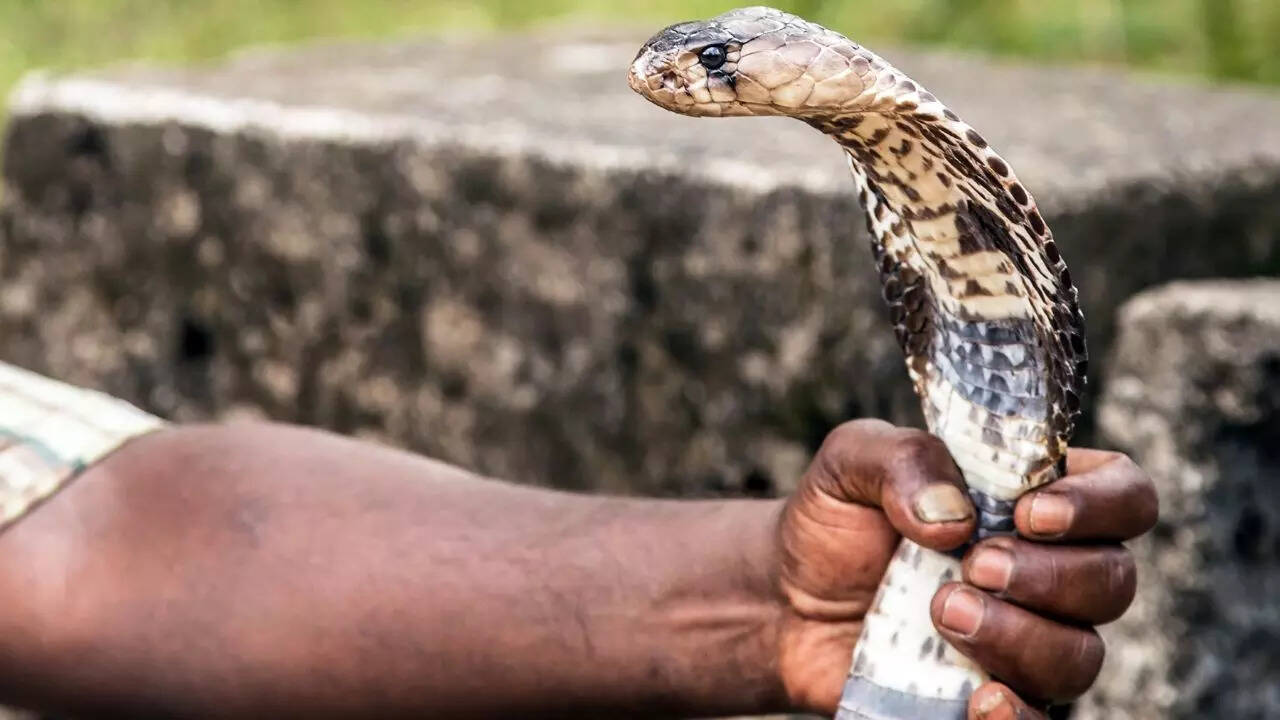
First aid for cobra bites
- Stay calm: Panic increases heart rate and can accelerate the spread of venom, worsening symptoms and reducing time for effective medical intervention.
- Immobilize the affected limb: Keep the bitten limb still and at heart level to slow venom spread and prevent the toxin from traveling quickly through the bloodstream.
- Remove tight clothing and jewellery: These can constrict swelling and impede circulation.
- Avoid certain actions:
- Seek immediate medical help: Get to a hospital as quickly as possible for antivenom treatment.
Preventive measures to avoid cobra encounters
- Keep surroundings clean: Eliminate rodent infestations, as they attract snakes searching for food. Regularly clear clutter, tall grass, and debris around your home to reduce hiding spots for snakes and their prey. Maintaining a tidy environment is key to minimizing snake presence.
- Seal entry points: Close gaps and cracks in walls, doors, windows, and fences to prevent snakes from entering homes or buildings. Use wire mesh or weather stripping to block small openings. Regular inspections help ensure new gaps are quickly repaired.
- Be cautious in snake-prone areas: Always carry a flashlight and wear sturdy, protective footwear like boots when walking outside at night or in dense vegetation. Avoid putting hands or feet where visibility is limited, and stay on clear paths.
- Stay alert during the monsoon: Rainy seasons increase snake activity as flooding displaces them from their natural habitats, pushing them closer to human settlements. Exercise extra caution during this time, and avoid walking through floodwaters or overgrown areas.
- Additional precaution – Educate your community: Raising awareness about snake safety and prevention within your neighbourhood can help reduce snake encounters. Share information on identifying local snake species and first aid measures for bites, promoting collective vigilance and timely response.
End of Article
Follow Us On Social Media








Photostories
Tired of too many ads?go ad free now
lifestyle videos
Featured In Lifestyle

Tired of too many ads?go ad free now
Hot on the Web
Kidney Damage SymptomsBoney KapoorOnam Wishes in MalayalamGanesh Chaturthi 2025Hartalika Teej 2025 WishesHartalika Teej WishesNaseeruddin ShahYash DhullBigg Boss 19 Contestants ListBedsheet Changing MistakesIndian WhiskiesLiver HealthVegetarian FoodsVitamin D SupplementsMohit SuriBigg Boss 19Jaswinder BhallaKunickaa SadanandHigh Blood Sugar SymptomsClove TeaLow CholesterolLiver HealthCollagen Boosting FoodsGut HealthArchana Puran SinghBaby Girl NamesWar 2 Box Office CollectionCoolie Movie ReviewCoolie Box Office CollectionAsian Poorest CountriesStomach Cancer WarningDiabetic Shock SignsWorld Oldest WomanHigh Cholesterol SymptomsCarly PearceNew MoonSkincare HabitsFatty Liver SymptomsKidney Damage SymptomsDragon SnakeBaba Vanga Predictions
Trending Topics
Latest MoviesBollywood MoviesHollywood MoviesTamil Movies 2025Telugu Movies 2025Malayalam Movies 2025Kannada Movies 2025Marathi Movies 2025Bengali Movies 2025Top Rated Movies 2025Best Hindi MoviesBest English MoviesBest Telugu MoviesBest Tamil MoviesBest Malayalam MoviesBest Kannada MoviesBest Bengali MoviesUpcoming Hindi MoviesBest Movies Of All TimeBest Hindi Movies of All TimeLatest English MoviesLatest Malayalam MoviesEnglish TV NewsTamil TV NewsTelugu TV NewsMalayalam TV NewsKannada TV NewsMovie ReviewsBhojpuri Cinema NewsGujarati Cinema News
Popular Categories
Viral NewsK Pop NewsWeb Series NewsAnime NewsUpcoming English MoviesUpcoming Tamil MoviesUpcoming Telugu MoviesUpcoming Malayalam MoviesUpcoming Kannada MoviesFashion TipsTravel NewsEntertainment NewsBollywood NewsTollywood NewsKollywood NewsMollywood NewsFood NewsLatest Hindi MoviesLatest Tamil MoviesParenting TipsHome RemediesWeight LossBeauty TipsParenting TipsHindi VideosHindi Video SongsBhojpuri Music VideosLatest Telugu MoviesBhojpuri Music VideoHindi TV News
Latest News
SYKA: Sisters Sidra and Kayaanat Sohail Haider bring semi-modest, sustainable fashion to IndiaAustralia ends diplomatic ties with Iran, expels ambassador; urges its people to leaveBeyond the syllabus: How laptops unlock 21st century skills for studentsArchana Puran Singh tries 'Bareilly ki barfi' at spot once visited by Shah Rukh Khan and Priyanka Chopra: 'She doesn't visit anymore...'Farida Jalal: Heartbreak is part of love, but never stop lovingICC Women's World Cup trophy reaches IndorePriya Bapat and Umesh Kamat: Festivals are about celebrating culture and traditions together700-year-old Ganesh Idol sits on an active volcano of Indonesia; locals believe it holds mystical powers; here’s whyWhy Dave Portnoy is banned from Ohio State stadium for Fox Big Noon Kickoff debut“Fire her” – Becky Lynch’s comment on Ozzy Osbourne on Raw in segment with Nikki Bella sparks wild reactionGreen tea vs lemon water for glowing skin: Myths, benefits, and expert-backed skincare secretsICAI expected to release CA Foundation hall tickets 2025 at eServices.icai.org: Check details hereBigg Boss 19: Tanya Mittal demands, 'Call me ma’am, everyone calls me boss'; netizens react'If need arises, opening will be done by Navy': Chief of Naval Staff on Op Sindoor; says India's aggression kept Pak navy captiveKerala's first transgender students' hostel openedMAX Marketing marks a decade of redefining how India watches, talks, and celebrates cinemaOne ball, two sixes, 13 runs! Sanju Samson does the unthinkable ahead of Asia Cup - WatchChennai: Woman harassed by police while feeding stray dogs at Thiruvanmiyur beach