- News
- lifestyle
- health-fitness
- health-news
- High cholesterol symptoms in fourth and fifth fingers: Spot these early signs before it’s too late to protect your heart
Trending
High cholesterol symptoms in fourth and fifth fingers: Spot these early signs before it’s too late to protect your heart
High cholesterol, often silent, can be hinted at by Dupuytren’s contracture, causing finger bending. Early detection via blood tests is crucial, especially for those with this condition or risk factors like smoking and diabetes. Regular screening, particularly post-40, alongside lifestyle changes or medication, can significantly lower heart disease and stroke risks linked to elevated cholesterol.
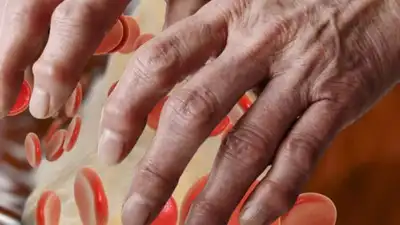
Source: TheHealthSite
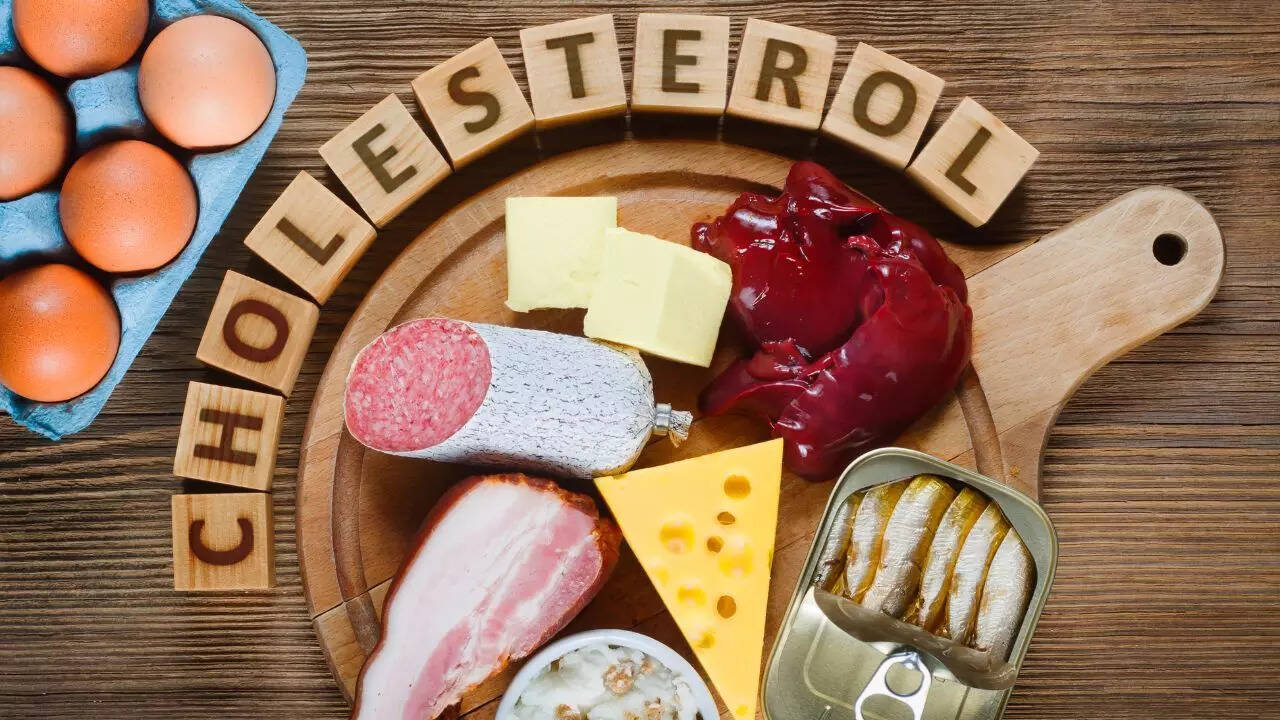
Understanding cholesterol in body and why does it matter
- Building healthy cell membranes
- Producing hormones like estrogen and testosterone
- Supporting vitamin D synthesis
- Low-Density Lipoprotein (LDL): Often referred to as "bad cholesterol," LDL can accumulate inside the walls of arteries, leading to plaque formation, which narrows and hardens arteries, a condition called atherosclerosis. This raises the risk of heart disease and stroke. The higher the LDL, the higher the chances of cardiovascular diseases.
- High-Density Lipoprotein (HDL): Known as "good cholesterol," HDL helps remove excess cholesterol from the bloodstream by transporting it back to the liver for processing and elimination. Higher levels of HDL are protective for heart health.
Poll
Do you think regular cholesterol screening is essential for everyone over 40?
High cholesterol shows hidden physical sign on your fingers
- The tendons under the skin of the palm gradually thicken and tighten.
- This tightening pulls the affected fingers inward toward the palm.
- Over time, affected fingers lose the ability to straighten fully, resulting in permanent bending.
- This condition can interfere with everyday tasks such as gripping objects or shaking hands.
How is high cholesterol diagnosed
Why is Dupuytren’s Contracture linked to high cholesterol
- Raised LDL cholesterol
- Smoking habits
- Alcohol overconsumption
- Diabetes
Genetic and hormonal factors influencing cholesterol levels
Importance of regular cholesterol screening: Detecting the silent risk early for prevention of heart disease and stroke
Managing high cholesterol: Lifestyle and medical approaches
- Lifestyle modifications
- Medical treatment

About the Author
TOI Lifestyle DeskEnd of Article
Follow Us On Social Media









Tired of too many ads?go ad free now
lifestyle videos
Featured In Lifestyle

Tired of too many ads?go ad free now
MORE FROM ETIMES
life & styleHot on the Web
Magnesium Deficiency SymptomsUSFDA Cookware WarningHigh Blood SugarVitamins For Hair GrowthBelly Fat LossHeart AttackCancer RisksReverse Fatty LiverOzempic Vulva Side EffectsSleeping TipsShah Rukh KhanBharti SinghGarlic Health BenefitsBrain-Eating Amoeba SymptomsSunil DuttAquarium Setup TipsLongest International RiverDhanashree VermaAngelina JolieAR MurugadossDhanashree VermaYuzvendra ChahalBoney KapoorRajnikanthSunita GogoiAsit Kumar ModiWar 2 Box Office CollectionCoolie Movie ReviewCoolie Box Office CollectionOvercrowded Tourist DestinationsAshwagandha For MenColon Cancer SymptomsHigh Protein FoodsKidney Stone PainHigh Cholesterol SymptomsLakshman BootiColorectal CancerOral SymptomsReduce Face Fat DietSide Effects Of BananasGinger Tea Side EffectsKidney Damage Symptoms
Trending Topics
Latest MoviesBollywood MoviesHollywood MoviesTamil Movies 2025Telugu Movies 2025Malayalam Movies 2025Kannada Movies 2025Marathi Movies 2025Bengali Movies 2025Top Rated Movies 2025Best Hindi MoviesBest English MoviesBest Telugu MoviesBest Tamil MoviesBest Malayalam MoviesBest Kannada MoviesBest Bengali MoviesUpcoming Hindi MoviesBest Movies Of All TimeBest Hindi Movies of All TimeLatest English MoviesLatest Malayalam MoviesEnglish TV NewsTamil TV NewsTelugu TV NewsMalayalam TV NewsKannada TV NewsMovie ReviewsBhojpuri Cinema NewsGujarati Cinema News
Popular Categories
Viral NewsK Pop NewsWeb Series NewsAnime NewsUpcoming English MoviesUpcoming Tamil MoviesUpcoming Telugu MoviesUpcoming Malayalam MoviesUpcoming Kannada MoviesFashion TipsTravel NewsEntertainment NewsBollywood NewsTollywood NewsKollywood NewsMollywood NewsFood NewsLatest Hindi MoviesLatest Tamil MoviesParenting TipsHome RemediesWeight LossBeauty TipsParenting TipsHindi VideosHindi Video SongsBhojpuri Music VideosLatest Telugu MoviesBhojpuri Music VideoHindi TV News
Latest News
“I am officially 3-for-3 fined” - WNBA player Sophie Cunningham pays hefty penalty for making a bold statement on Paige BueckersSinquefield Cup: D Gukesh held by Samuel Sevian, Pragg draws with Nodirbek AbdusattorovGoogle starts rolling out Android 16 QPR2 Beta 1 for Pixel devices: Here’s how to get the updateSaryu river fury: Erosion in UP's Sitapur sweeps away school room, 24 homes, 25 bighas of farmland; villagers flee by boatsCleveland Clinic Abu Dhabi first in region to use new device for safer brain aneurysm treatment'The Ba***ds Of Bollywood': Rajat Bedi fans celebrate comeback of B-town's 'OG Villain'; say 'Aryan Khan ne izzat rakhli bhai ki'What Can Karmic Astrology Teach You About Your Past Lives and True Purpose?Hyderabad shocker: 5 of family found dead at home in Mahaboobpet; probe onSushmita Sen wishes godson on birthday: Your 'Sush' loves you foreverHow Will the Venus-Mercury Conjunction Transform Your Relationships and Creativity?'Thammudu' re-release: Pawan Kalyan's cult classic sport drama to hit the theatres again ahead of his birthday - Deets insideWild pigs are turning electric blue in California, but whyDhanashree Verma drops FIRST post after taking a jibe at Yuzvendra Chahal over his 'Be Your Own Sugar Daddy' t-shirt, reacts to people calling her 'strong'When Rashmika Mandanna shared a throwback from ‘Thama’ sets; discussed Indian folklore with director Aditya SarpotdarOBC quota row: Bengal faces most-delayed UG admissions in 25 years; leaves students in limbo, colleges face uncertaintyTom Brown once scored a B- in linear algebra and today he’s Anthropic’s cofounder: His 5 career lessons for students and young professionals'The Morning Show Season 4' trailer out: Jennifer Aniston, Reese Witherspoon return with fresh dramaGoogle unveils ‘Gemini for Home’ AI assistant and teases new smart speaker